






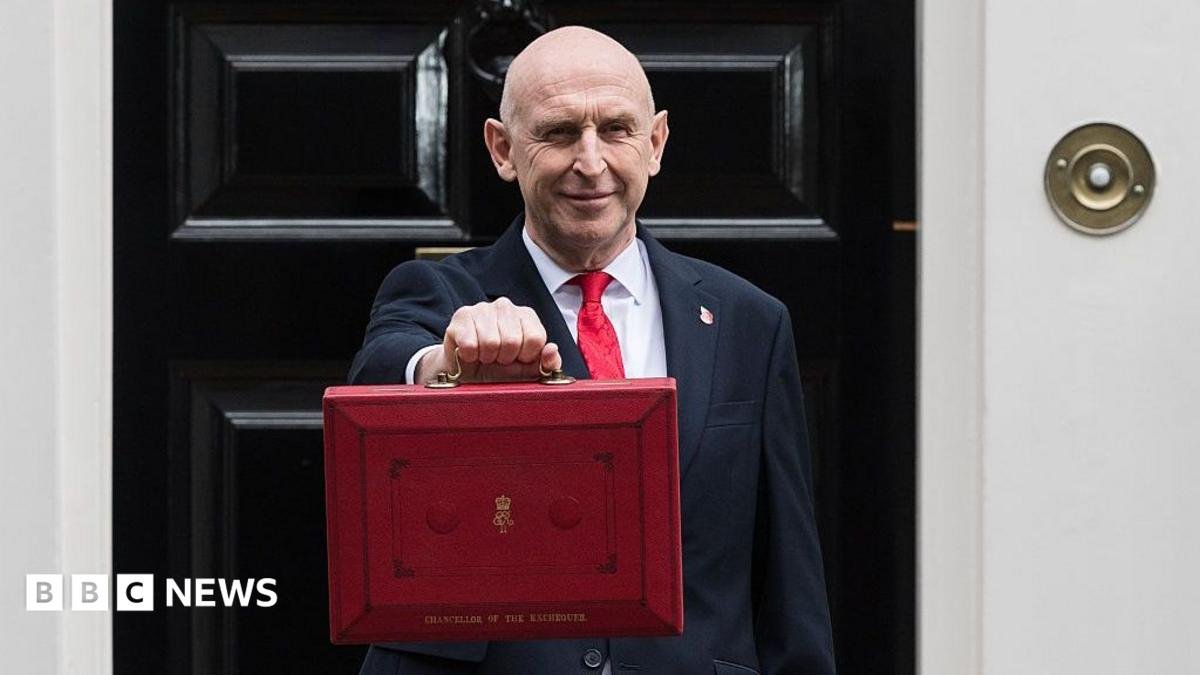
The central challenge for Healey, which he shares with his recent predecessors, is the public finances are in a mess and so are the personal finances of so, so many households.
And there is a recurring sense of déjà vu in the language of the OBR. “The UK’s economic and fiscal position remains very challenging,” it says, with a splash of understatement, adding that “there have been further adverse developments” this year with in the conflict in the Middle East.
As for what happens, next, well, frankly, who on earth knows. Or, as the OBR puts it: “The outlook for the economy and the public finances is uncertain, with significantly better or worse outcomes of broadly equal probability.”
The Budget book argues that “the UK economy is showing signs of resilience” but it is also true that the national debt, tax burden, inflation and interest rates are high, going up or both – and there could yet be further economic shocks that make things worse.
What happens, for instance, in the Middle East, one the mid term elections are done in America and the result of the Israeli general election is clear?
In short, the Chancellor felt constrained in his capacity to act and his capacity to make a noticeable positive difference is perhaps constrained even more so – because any intervention, even expensive ones, may merely make a grim situation a bit less bad, rather than things actually feeling better.
Mitigating the bad is arguably a noble political aim, but it costs money and potentially comes with little political upside.


