








Need extra funds for your next purchase?
Loan up to ₹5 Lakhs
Starting at 11% p.a.*
There are some fashion trends that come and go, and then there is Chikankari. The delicate Lucknowi embroidery has managed to remain timeless precisely because it never needs to shout. Intricate floral motifs, fine threadwork and airy fabrics give Chikankari kurtis an effortless elegance that works just as beautifully for everyday dressing as it does for festive occasions.
What I particularly love about Chikankari is how versatile it can be. A traditional white cotton kurti with palazzos and juttis creates a classic ethnic look, while the same embroidery can feel surprisingly contemporary with denim, flats or even a structured tote.
Fabric also makes a huge difference. For summer, muslin and cotton are naturally easy choices, while rayon and viscose offer a softer, more fluid drape. If you’re looking for something that feels handcrafted but doesn’t require elaborate styling, these are some Chikankari kurtis worth considering.
Picks for the classic Chikankari look
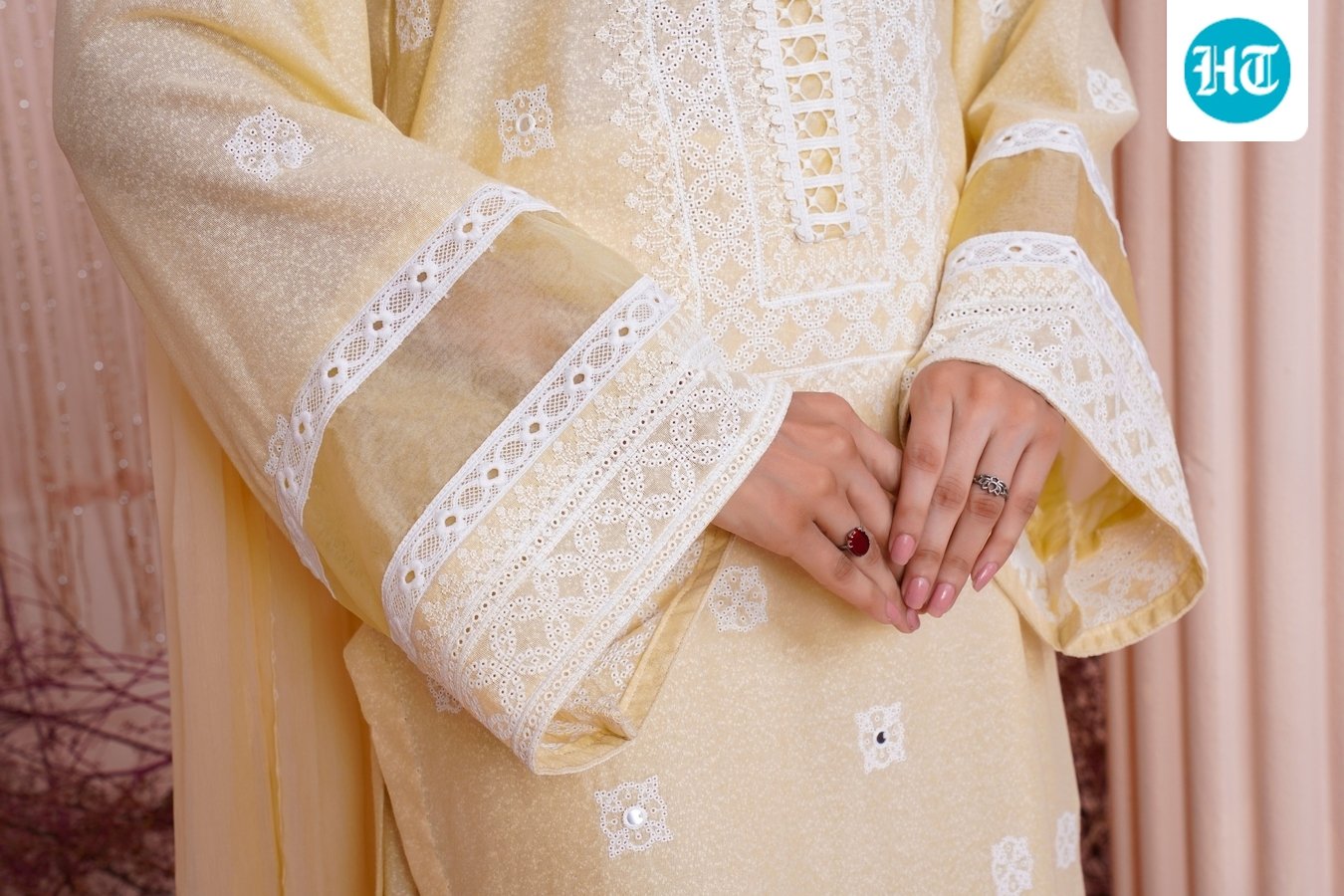
This Ada kurti is exactly what comes to mind when I think of effortless Chikankari. The lightweight muslin fabric feels airy and comfortable, while the intricate hand embroidery adds enough detail to make the otherwise simple silhouette feel special.
The floral and geometric motifs give it that unmistakable handcrafted character without making the kurti look overly ornate.
Style tip: Wear it with white palazzos, silver jhumkas and embroidered juttis for an easy summer ethnic look.


Our Principles
Full Transparency
Every product review clearly lists the Pros and Cons, giving you a balanced view.
Brand Confidence
We focus on products from brands with a proven reputation and long-standing market trust.
Not every Chikankari kurti needs to look traditional. This rayon style takes the embroidery in a more understated direction, with detailing around the neckline adding just enough interest.
The soft fabric and 3/4 sleeves also make it an easy option for long office days when comfort matters as much as looking polished.
Style tip: Pair it with straight trousers, Kolhapuri sandals and a roomy tote.
This is the one I’d pick for an Indo-western outfit. The shorter length and slightly structured cotton fabric give traditional Chikankari a more modern personality. The hand embroidery remains the star, but the silhouette makes it much easier to style beyond the usual palazzos-and-juttis combination.
Style tip: Try blue denim, leather flats and oxidised earrings.
Classic cotton and delicate hand embroidery are a combination that rarely gets old. This Ada kurti keeps things traditional, with intricate detailing spread across a breathable cotton base.
It’s particularly suited to hot-weather dressing when you want something that feels polished without adding layers or heavy embellishment.
Style tip: Add churidar leggings, embroidered juttis and a lightweight dupatta.
The V-neck instantly gives this kurti a slightly more contemporary feel. Floral threadwork adds the traditional element, while the shorter tunic-style silhouette makes it incredibly easy to incorporate into an everyday wardrobe.
I’d wear this when I want the charm of Chikankari without looking too dressed up.
Style tip: Pair with skinny jeans, block heels and a small sling bag.
If you prefer your kurtis to fall fluidly rather than hold a structured shape, this viscose rayon option is worth a look. The Murri and Zanzeera embroidery techniques add traditional detail, while the softer fabric gives the silhouette an elegant drape.
Style tip: Style it with flowy palazzos, statement earrings and embroidered sandals.
This cotton-blend kurti strikes a nice balance between breathability and structure. The hand embroidery gives it a handcrafted finish, while the fabric makes it practical enough for repeated everyday wear.
It’s the sort of piece that can easily move between casual plans and slightly more polished occasions.
Style tip: Try ankle-length trousers, Kolhapuri sandals and minimal jewellery.
Short Chikankari kurtis are particularly easy to experiment with because they can be styled almost like a regular top. Denim, wide-leg trousers, skirts or even shorts can completely change the personality of the embroidery.
That’s what makes this style of kurti so useful for someone who wants traditional craftsmanship without committing to a fully ethnic outfit.
How I’d style Chikankari kurtis without making them look predictable
The easiest way to make Chikankari feel fresh is to change the bottom half.
White-on-white with palazzos and juttis will always look beautiful, but you don’t have to stop there. Try a short Chikankari kurti with blue jeans, a structured handbag and flats. For work, swap denim for cigarette trousers and add a watch. For festive occasions, bring out the jewellery and pair the kurti with a flowy skirt or palazzos.
I also wouldn’t overload the embroidery with accessories. Chikankari already has a lot of visual detail, so silver earrings, a simple bracelet or one statement pair of jhumkas can often do more than a full jewellery set.
And when shopping for one, I’d pay attention to the fabric as much as the embroidery. Cotton and muslin are great for hot days, while rayon and viscose give you that softer, more fluid silhouette.
That, to me, is the beauty of Chikankari: it can be traditional without feeling old-fashioned, delicate without being impractical, and dressed up without losing its effortless charm.
Similar stories for you:
Balloon Pants: Fashion risk or the coolest trouser trend right now? 8 picks to rock this style
10 office tote bags that fit your laptop and daily essentials
Stop slipping on court: 8 Indoor sports shoes to play your favourite sport in style
Disclaimer: At Hindustan Times, we help you stay up-to-date with the latest trends and products. Hindustan Times has an affiliate partnership, so we may get a part of the revenue when you make a purchase. We shall not be liable for any claim under applicable laws, including but not limited to the Consumer Protection Act, 2019, with respect to the products. The products listed in this article are in no particular order of priority.


