



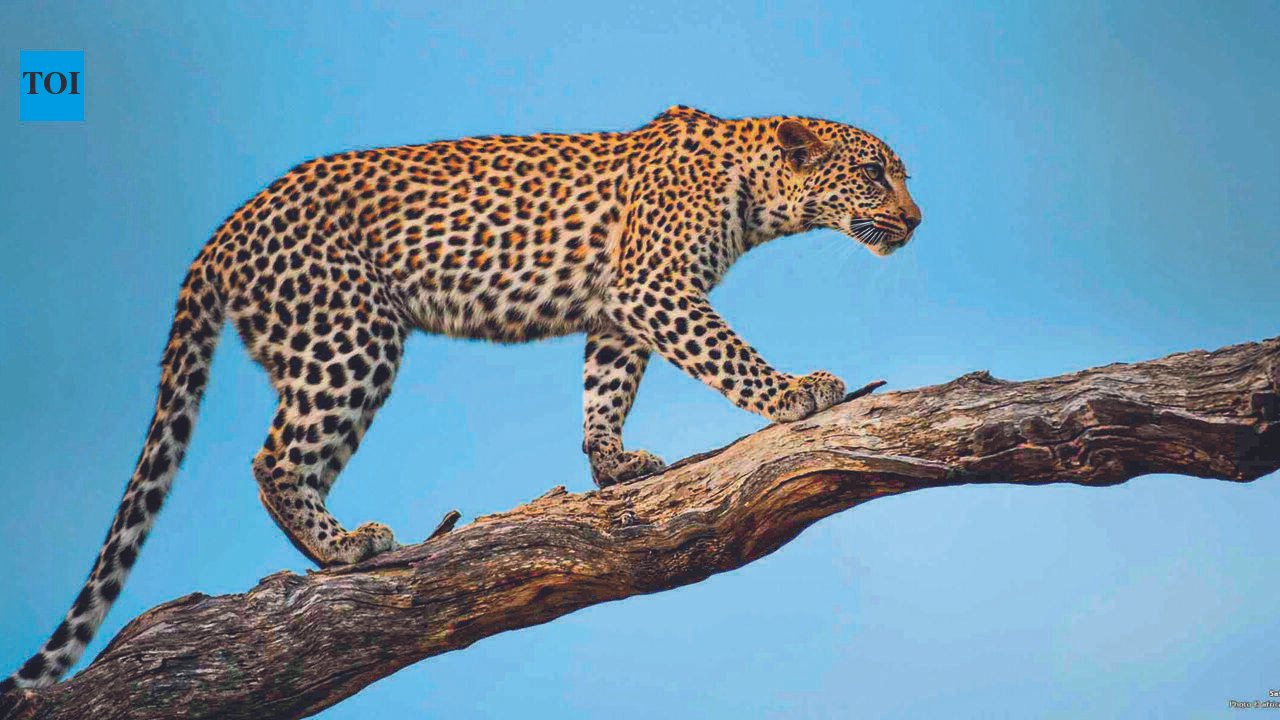
Pune: The Central Zoo Authority (CZA) of India has granted approval for Maharashtra’s first leopard safari park to be established in Junnar tehsil of Pune district, a significant move towards wildlife conservation.The project, proposed by the Junnar forest division and pending clearance for more than a year, will come up at Ambegaon village, around 120 km from Pune.The state govt had already sanctioned Rs 80 crore for the project in 2024, underlining its importance not only as a wildlife conservation initiative but also as a strategy to address the persistent human-leopard conflict in one of the country’s most leopard-populated landscapes.The proposed park will be spread across 48 hectares and will house up to 12 leopards in large open enclosures designed to simulate their natural habitat. Visitors will be taken on guided safari tours in specially designed vehicles, similar to those operating in tiger reserves such as Tadoba.“We have already identified the land for the project and completed most of the preliminary work, including the design of the safari facility,” Smita Rajhans, assistant conservator of forest, Junnar division, told TOI.She said, “The facility will have designated feeding zones and open habitats for leopards. We will soon issue tenders to begin the construction. Since this project has been pending for years, we are keen to complete it at the earliest.”Rajhans said the safari’s objective extends beyond tourism.“One of the most crucial aspects of the project is helping citizens understand leopard behaviour and creating awareness about coexisting with wildlife. It will also provide a major boost to tourism and employment opportunities in the Junnar region,” she added.The division comprises Junnar, Ambegaon, Shirur and Khed tehsils. The region is recognised for having one of the highest densities of leopards in the country. Frequent encounters between humans and leopards, especially in agricultural landscapes and villages, have made coexistence a major challenge for forest authorities.Local residents have welcomed the project, expressing hope that it will bring both economic opportunities and greater awareness about wildlife conservation.“Junnar is already famous for Shivneri Fort and religious tourism. The leopard safari will attract a new category of tourists and generate employment for local youth,” said Santosh Bhor, a farmer and Ambegaon resident.Sunita Khedkar, another resident and a homestay operator near Junnar, said, “Many people from outside Maharashtra don’t know that our region has such a rich wildlife heritage. If managed properly, this project can create sustainable livelihoods for villagers.”Globally, wildlife safari parks and conservation reserves have increasingly been used as tools to mitigate human-wildlife conflict while generating local economic benefits.Countries such as South Africa, Kenya, Namibia and even some parts of Europe have successfully developed wildlife-based tourism models that create incentives for local communities to participate in conservation efforts.“Studies have shown that when local populations derive economic benefits from wildlife conservation through tourism, employment and infrastructure development, tolerance towards wildlife often increases, leading to reduced conflict,” said a wildlife expert, who has years of experience in Junnar.A section of experts believes that Maharashtra’s first leopard safari could become a model for balancing conservation, public education and community participation.“If implemented effectively, the project could offer a sustainable framework for coexistence between humans and one of India’s most adaptable big cats,” said Siddharth Kasbe, a local reporter and activist from Junnar.


