



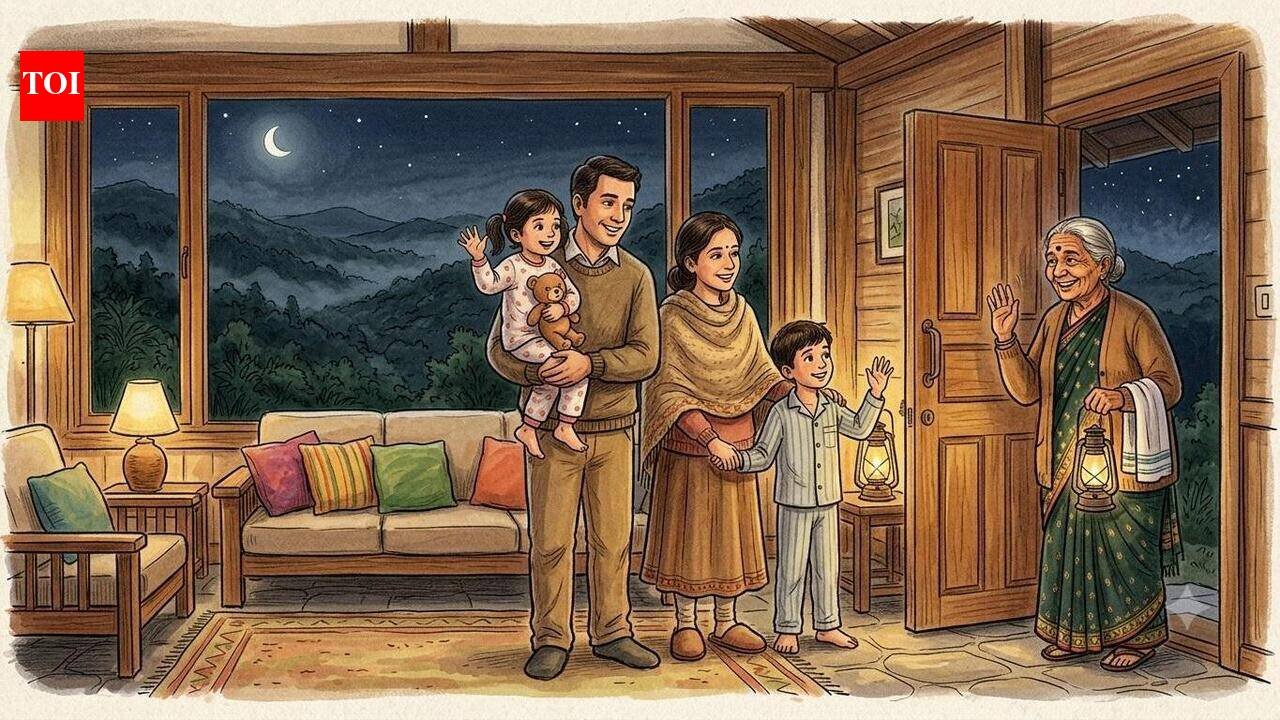
Bengaluru: In the wake of crimes involving tourists in Koppal and Kodagu, Karnataka govt has overhauled the regulations governing homestays, introducing stricter safety measures and creating a separate regulatory category for bed & breakfast (B&B) establishments.A tourism department circular issued Monday said the incidents exposed gaps in the operating, regulatory and monitoring framework for private tourist accommodation, prompting a coordinated response involving the tourism department, police, district administrations, and other govt agencies.The move follows two high-profile crimes. In March 2025, an Israeli tourist was allegedly gang-raped near Hampi in Koppal district during a stargazing trip with fellow travellers. One of her companions drowned after allegedly being pushed into a canal during the attack. In April, a US tourist was allegedly raped at a homestay in Kodagu after her drink was spiked. The property’s cook was arrested on rape charges, while the owner was booked for allegedly attempting to suppress the crime. The incidents triggered a statewide review of safety standards at private tourist accommodations.Under the revised guidelines, all permanent and contractual staff at homestays and B&Bs must undergo police verification. Establishments must install CCTV cameras at reception areas and preserve footage for at least 30 days. They are also required to maintain digital or physical guest registers with identity documents, prominently display emergency helpline numbers, and report details of foreign guests to police.To strengthen monitoring, every registered accommodation unit will be integrated with Karnataka police’s Smart E-Beat system, making it a mandatory checkpoint for beat constables. Police personnel will conduct physical inspections, verify guest records, and digitally log their visits using GPS-enabled devices. Deputy commissioners have also been directed to constitute joint inspection committees comprising officials from police, tourism department, and other agencies to carry out random inspections and identify unregistered properties.The circular further mandates annual safety meetings between police and homestay owners before the tourist season. Hospitality staff will receive training on gender sensitisation, the Prevention of Sexual Harassment (POSH) Act, the Protection of Children from Sexual Offences (Pocso) Act, and emergency response procedures. Reception desks must display QR codes for state police’s SOS app, and staff are expected to familiarise guests with its use during check-in.Govt has also introduced a separate regulatory category for B&B establishments, distinct from traditional homestays. The move aims to preserve the identity of community-run homestays while creating a framework for professionally managed tourist accommodation. Separate operational guidelines for B&Bs will be issued.How are homestays and B&Bs different?Under the new policy, a homestay is a privately owned residence where the owner or an immediate family member lives on the premises and hosts guests. It is recognised as a non-commercial establishment offering visitors a local, community-based hospitality experience.A bed & breakfast establishment, by contrast, is classified as commercial accommodation. The owner does not reside on the property, which is instead managed by an operator or agent staying on the premises. While both homestays and B&Bs can have up to six rooms and a maximum of 12 beds, they will be governed by separate operational guidelines.The tourism department said the distinction will preserve genuine owner-run homestays while providing a clear regulatory framework for professionally managed accommodation and helping tourists make informed booking choices.‘Golden rules’ for staff laid out by the dept* Don’t enter guest rooms without permission* Don’t touch or interact with guests inappropriately* Don’t secretly record guests or install hidden cameras* Don’t handle guests’ belongings unless necessary* Don’t permit illegal activities on premises* Don’t ignore suspicious behaviour — report it to police immediatelyWhat stakeholders say“Tourism in Karnataka is growing rapidly, and our accommodation ecosystem must evolve to meet the changing needs of travellers. By creating separate categories for homestays and bed & breakfast establishments, we are preserving the authenticity of local hospitality while encouraging professionally managed accommodation”: KJ George, tourism minister.“We welcome the policy. Bringing police, revenue, and tourism departments together for enforcement is a positive move, and the commitment to issue licences within 45 days is encouraging. The guidelines will also help crack down on illegal homestays, which have been affecting genuine operators. We’ve suggested that representatives of registered homestay associations be included in district inspection committees to make the inspection process more participative and transparent”: NR Thejaswi, president, Chikkamagaluru Homestay Association.


