



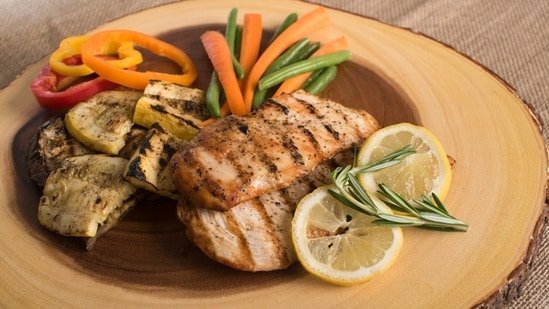
Protein may be having a moment in the health and wellness space, but it’s far more than just a passing trend or fitness buzzword. Often overlooked in everyday diets, this essential nutrient plays a foundational role in everything from immunity and hormonal balance to muscle repair and overall vitality. Prioritising adequate protein intake isn’t about following a fad – it’s about supporting long-term health in a simple, sustainable way.
Dr Alok Chopra, founder-director and consultant cardiologist at Aashlok Hospital with over 40 years of experience, is drawing attention to the widespread protein deficiency among Indians – especially women – driven by low-protein dietary patterns, and highlights why prioritising this essential nutrient is crucial for overall health. In an Instagram video shared on April 11, the cardiologist explains, “Protein is not a fitness trend. It is the foundation of immunity, hormones, hair, skin, bones, and healing. It’s not optional. It’s essential.”
Adequate protein intake for women
The typical Indian diet tends to be carbohydrate-heavy, with protein often taking a backseat. In this context, Dr Chopra points out that many Indian women may be unknowingly deficient in protein – particularly those following vegetarian diets. Simply having dal once a day is rarely enough to meet daily requirements. The cardiologist emphasises that an ideal protein intake should range between one to 1.2 grams per kilogram of body weight to adequately support overall health.
Dr Chopra explains, “In the Indian scenario, most women are unknowingly protein deficient. Many feel that eating dal once a day is enough. It’s not. Protein is required for all the three meals, breakfast, lunch, and dinner. For most women nearing 40, the ideal intake is about one to 1.2 grams of protein per kilogram of body weight per day, which usually comes to 60 to 75 grams. That means aiming for 20 to 25 grams of protein per meal.”
High protein sources to prioritise
Dr Chopra highlights that for non-vegetarian women, foods like eggs, fish, chicken, and meat are excellent sources of high-quality protein, with fish standing out for its added benefit of being rich in omega-3 fatty acids. For vegetarians, however, meeting protein needs can be a bit more challenging. He recommends consciously incorporating protein-rich options such as dals, paneer, curd, legumes, and similar foods into daily meals to ensure adequate intake.
The cardiologist explains, “For non-vegetarian women, good protein sources include eggs, fish, chicken, and meat. Fish is especially excellent because it also provides omega-3 fats. For vegetarian women, protein needs more planning. Dal, paneer, curd, Greek yoghurt, tofu, tempeh, legumes, nuts, and seeds.”
Are protein supplements necessary?
Dr Chopra emphasises that even after consciously prioritising these foods, many women still struggle to meet their daily protein requirements. In such cases, incorporating a high-quality protein supplement can help bridge the gap effectively. He points out that protein shakes aren’t just for those who exercise regularly – they can be beneficial for anyone unable to meet their needs through diet alone. Meeting your protein intake is crucial, the cardiologist adds, not just for muscle building, but also for supporting immunity, tissue repair, and healthy ageing.
Dr Chopra emphasises, “But realistically, many women still fall short. In such cases, a good quality protein shake is absolutely fine. Protein shakes are not just for people who exercise. They are for people who don’t meet their protein requirements through food. Even if you don’t exercise, protein is not for muscles alone. It’s for immunity, repair, and healthy ageing. If your body needs to heal, protect, and repair every day, protein cannot be optional.”
Note to readers: This article is for informational purposes only and not a substitute for professional medical advice. It is based on user-generated content from social media. HT.com has not independently verified the claims and does not endorse them.


