



Improvements to public safety and intelligence in the wake of the Bondi terrorist attack “cannot wait until December”, former spy chief Dennis Richardson has said just days after he sensationally quit the antisemitism royal commission.
“You cannot leave matters that go to public safety till the end of the year, particularly when you have a small section of the community living in such fear,” Richardson told an ABC podcast.
A former director-general of Asio and ambassador to the US, Richardson resigned from the royal commission into antisemitism and social cohesion, headed by former high court judge Virginia Bell. This reportedly followed disagreement over when recommendations would be made over potential failures in security arrangements and the work of intelligence agencies.
The inquiry was established in the wake of the December’s Bondi massacre, in which two gunmen shot and killed 15 people as they attended a beachside Hanukah event for the Jewish community.
Bell said last month that delays in obtaining and assessing material made it unlikely the inquiry could hear evidence about the adequacy of the event’s security arrangements and about the work of intelligence and law enforcement agencies, before an interim report was due next month.
But Richardson said that was too late.
“The first responsibility of government is the safety of the community,” he told the Insiders on Background podcast.
“Anything emerging from the royal commission relating to intelligence and law enforcement will by definition have implications for public safety.
“There is a responsibility to get any, to get all recommendations relating to law enforcement and intelligence to the government at the earliest opportunity.
“It cannot wait until December.”
Richardson said the inquiry’s hearings related to intelligence and law enforcement would only begin around the time the commission’s interim report was due on 30 April.
He disagreed with Bell over the timeline and whether a second interim report should be issued.
“The key thing is you cannot leave matters that go to public safety till the end of the year, particularly when you have a small section of the community living in such fear,” he said.
Richardson was initially charged to conduct an independent review on potential intelligence failures, before political and community pressure pushed the Albanese government to establish a royal commission. The Richardson review was folded into the royal commission.
Richardson had said he quit the royal commission because he decided he was “surplus to requirements” and the work he was able to contribute could not justify the $5,500 a day he was being paid.
“There wasn’t enough discussion right at the beginning about the precise way things would work. And ultimately … I was surplus to requirements,” he told the ABC’s Radio National.
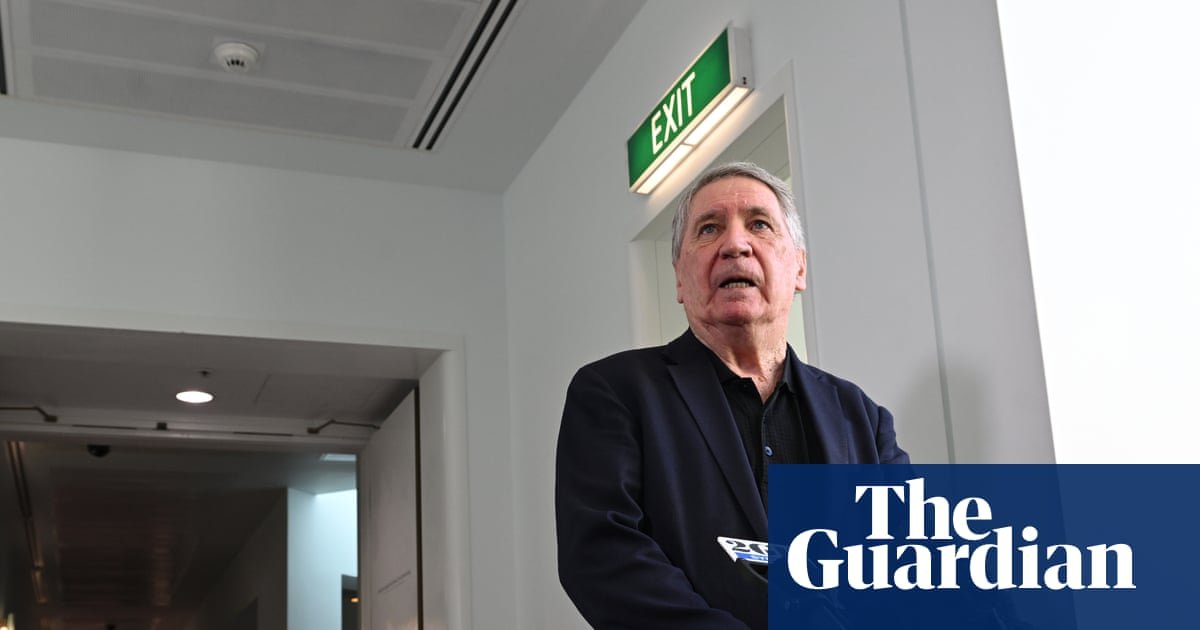
Speaking to reporters in Canberra, Richardson was anxious to praise the work of Bell, with whom he said he had a strong working relationship.
“It’s just that it’s now reached a point where I think my value-add is pretty limited,” he said.
“I’ve got no problem at all with the royal commission continuing in doing what it’s doing, but put it this way: I didn’t necessarily see my last job of this kind being more of a highly paid researcher.
Some families of those killed at Bondi said they feared the royal commission would descend into farce following Richardson’s resignation.
Jenny Rotyur, the niece of Boris Tetleroyd who was fatally shot, said the families were worried “everything would fall apart”.
“We wanted a really close look at the intelligence agencies and their failures,” she said.
“We need the truth to be found, and without an expert on security agencies, I’m finding it hard to believe they’re going to be able to do that.”
– with AAP


