



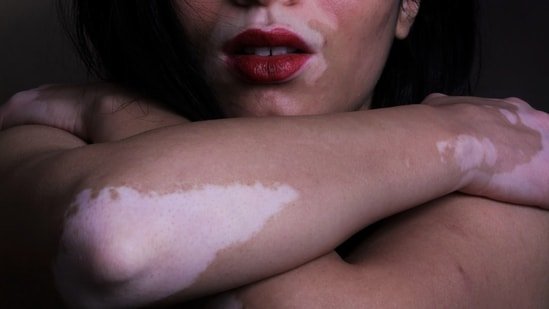
For thousands of people all over India, an unexpected appearance of pale or white patches on their skin is more than just a physical concern; it leads to anxiety about whether the condition will spread or worsen or if it can be transmitted to others. In an interview with HT Lifestyle, Dr Vishalakshi Viswanath,consultant dermatologist, KIMS Hospitals, Thane, reveals the hidden triggers behind new white patches.
Also read | What is vitiligo? Dermatologists explain skin condition: ‘Not infectious or caused by anything you eat’
What is vitiligo?
Vitiligo is an autoimmune skin disorder that causes loss of pigment, and is one of the most socially stigmatised and misunderstood medical disorders in our society.
Can vitiligo spread?
“Vitiligo is not a contagious or infectious disease. It cannot be spread by touching someone, sharing food, using the same towel or having any other kind of physical contact,” said Dr Vishalakshi. She highlighted that the disease is not associated with bacteria, viruses or parasites, which further confirms it is not infectious.
Medical authorities have been insistent on this vital point, and it should be kept constantly in the public mind. There is a wide myth that vitiligo is triggered by diets, infections or unhygienic conditions. There is a lot of misinformation that eating certain foods, having an infection, or an unhygienic condition causes vitiligo. There is no scientific evidence that any diet can keep or cure vitiligo.
Vitiligo can develop at any age, but it can commonly occur before 30 years of age. Vitiligo can develop in childhood or adolescence. There is a higher risk of progression in people with a family history of vitiligo and other autoimmune disorders.
In the case of vitiligo, the melanocytes, which make melanin, the pigment that colours skin, hair and eyes, get destroyed. Without melanocytes or when they are damaged, the skin turns white. The destruction is thought to be autoimmune, where immune system cells attack healthy cells. The cause of this immune reaction is not fully known, but it may be a result of a combination of genes and environment. Some may inherit a predisposition to develop vitiligo from family members, while some may develop the disorder without any family history.
Dr Vishalakshi highlighted that vitiligo can be localised or generalised. The course of the disease is unpredictable in each individual, with some having stable patches for many years and others having a progressive spread. In stable vitiligo, the disease remains localised to a particular area of the body, and the patches do not increase or spread to other sites. In progressive vitiligo, the white patches may grow larger over time or new patches may appear in other parts of the body. If triggered by stress, skin trauma or sunburn, it can speed up the process, but there is no risk to other people.
Treatment of vitiligo
Dr Vishalakshi also emphasises the importance of early intervention. Patients can get a dramatic improvement in pigment with modern treatments — the only thing that matters is getting to a dermatologist early, instead of waiting and using folk remedies that haven’t been proven. With appropriate treatment, small patches on the facial skin usually regain colour early. However, the patches on mucosal sites or areas on bony prominences take a longer time.
“All white patches are not vitiligo!! If someone has noticed any new white patches or if the existing ones are changing, the first thing to do is to consult a dermatologist to confirm the diagnosis,” advises Dr Vishalakshi.
Note to readers: This article is for informational purposes only and not a substitute for professional medical advice. Always seek the advice of your doctor with any questions about a medical condition.


