






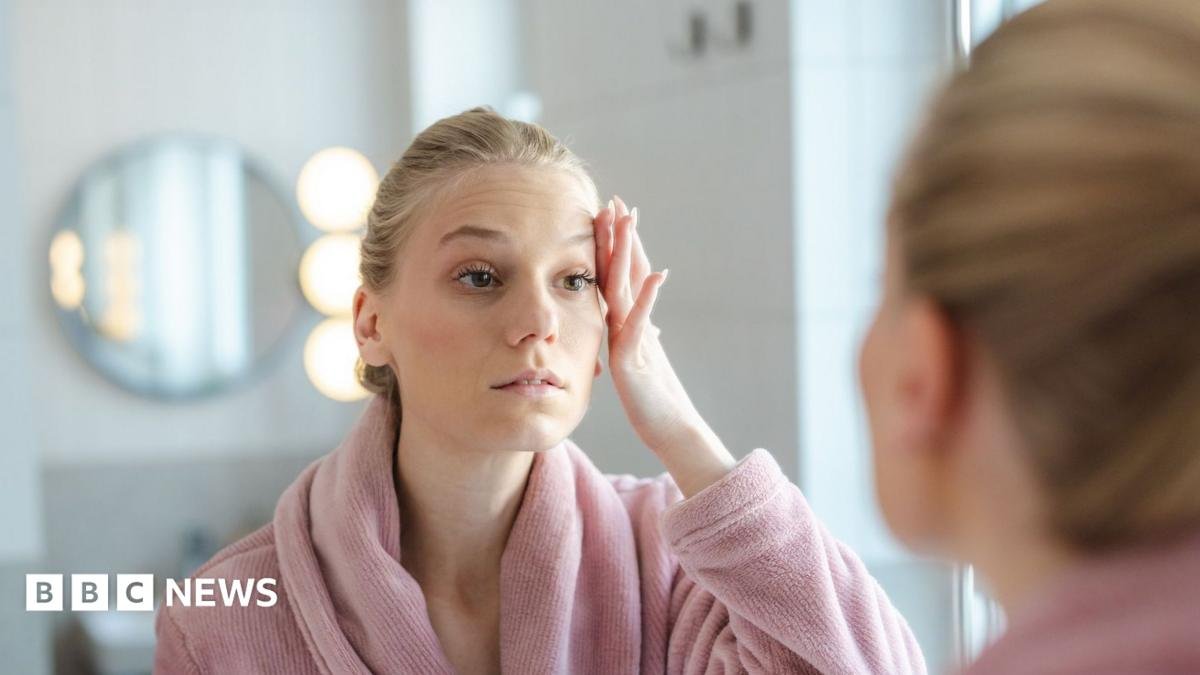
Mak and colleagues are also evaluating an AI tool for predicting biological age, or how old someone looks, as opposed to their birthday age.
The ‘FaceAge’ tool suggests the skin below the nose and near the mouth – the so-called nasolabial folds and marionette lines – plus the forehead (frown lines), temples (crows’ feet) and cheeks are a good indicator of how fast we age.
Some lifestyle habits can speed that process up, like heavy alcohol use, drug use and smoking.
Mak says the tool was “surprisingly consistent” across common real-world photos despite variations in pose, lighting, facial expression and make-up.
“It was also stable across most tested plastic surgery procedures, with only a small shift observed after rhinoplasty [a nose job],” he says.
But the researchers stress they need much more data and photos of faces, particularly from lots of different ethnic groups, to determine how well the tools work. They are still very much under development.
The research team is inviting the public to take part, external and receive a personalised biological age estimate by uploading their own facial photo the research team.
Prof Miroslaw Bober, an expert in video processing and machine learning at the University of Surrey in the UK, says any claims that the tool could track ageing or lifestyle changes over time would be “premature”.
“This is a promising proof of concept, but it is not ready for clinical use,” he said.
“The tool still needs testing against doctors’ own judgement and across different hospitals and patient groups.”
And he warned: “Predicting an outcome is not the same as explaining it.”


