


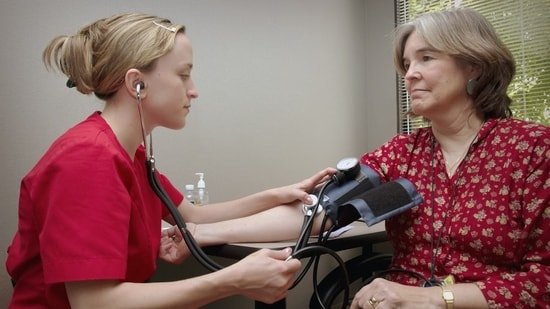
Some types of high blood pressure, particularly obesity-related, stress-related, poor diet, and lack of physical activity, in fact, can be much better controlled with lifestyle changes, according to doctors. For some people, blood pressure levels can even normalise more with a commitment to lifestyle changes, including diet, activity, weight loss, stress relief, and better sleep patterns.
In an interview with HT Lifestyle, Dr Vahid S Bharmal, consultant, adult and paediatric endocrinologist, Bhailal Amin General Hospital, Vadodara, shares insights on how lifestyle changes impact high-blood pressure.
Also read | Want to control blood pressure naturally? Heart surgeon shares the first steps you should know
Can lifestyle changes reverse hypertension?
“Lifestyle changes are regarded as one of the crucial components of hypertension management,” Dr Vahid said. Regular exercise, learning to reduce the amount of sodium in your diet, maintaining a healthy weight, avoiding smoking and excessive alcohol consumption, stress management, and following a healthy diet can help in managing hypertension.
But physicians take the same warning about the time it takes for lifestyle changes to have the full effect. Medications may still be required for a short time during this time to maintain blood pressure control and to minimise risk for heart, brain, kidney, and blood vessel problems.
Endocrinologists also stress that not every high blood pressure is an ‘essential hypertension’ – that’s when blood pressure rises without a particular identifiable cause. In certain patients, hypertension can also be secondary, for example, as a result of other conditions that need correct medical assessment and specific therapy.
Causes of hypertension
Some hormonal disturbances that can cause high blood pressure to stay high are:
Primary Hyperaldosteronism is one of the more common hormonal causes of hypertension. According to Dr Vahid, other hormonal problems, such as thyroid problems, can play a role as well. Hypertension can also be caused by renal artery stenosis, a narrowing of the blood flow to the kidneys, in some patients.
These secondary causes must be specifically sought in younger people with hypertension, in those where blood pressure is hard to control, and in those who need more than one blood pressure medicine.
He emphasised the importance of lifestyle changes, but urged people not to treat their hypertension on their own, without medical evaluation. Long-term complications can be prevented by identifying the underlying cause, having regular checks on your blood pressure, and seeking treatment if needed, in order to help ensure good cardiovascular health.
Note to readers: This article is for informational purposes only and not a substitute for professional medical advice. Always seek the advice of your doctor with any questions about a medical condition.
