



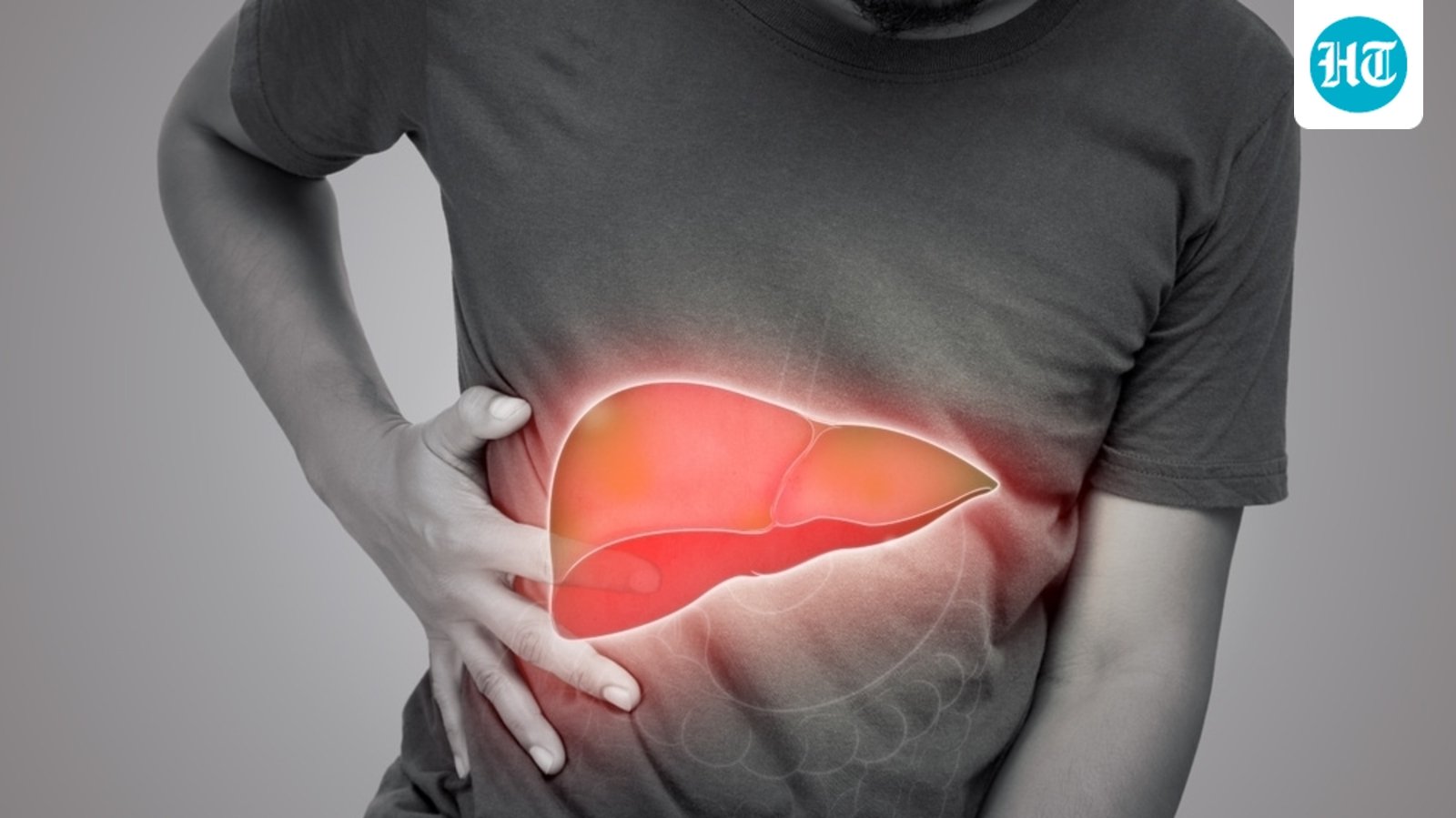
The body’s systems are closely interconnected. So a condition primarily associated with one organ can also affect others. Diabetes is commonly linked to the pancreas and blood sugar regulation, but its effects can go much beyond, affecting other organs, including the liver. Let’s hear from an expert about this connection.
Dr Lubna Chingili, chief medical officer at the Global Innovation Centre, NURA, confirmed that high blood sugar can also affect the liver, increasing the chances of developing fatty liver disease. She explained, “Type 2 diabetes and insulin resistance cause excess glucose to be converted into fat, which gets stored in the liver. Over time, this can lead to fatty liver disease (MASLD). Persistently high blood sugar also increases inflammation and oxidative stress, raising the risk of liver scarring (fibrosis) and, in some cases, cirrhosis.”
To put it simply, when the body cannot use insulin effectively, excess glucose may be converted into fat and stored in the liver, and as this fat further accumulates, it gives rise to fatty liver disease.
What are the early warning signs that may mean liver damage in a person with diabetes?
Usually, fatty liver disease’s signs are tough to identify in the early stages, as it silently progresses without any noticeable symptoms. Even when any signs do appear, they can easily be mistaken for other lifestyle-related concerns, such as stress, exhaustion, or digestive discomfort.
But if you are vigilant, you can detect the early signs. Dr Chingili said, “When early signs do appear, they may include persistent fatigue, a feeling of heaviness or mild discomfort in the upper right side of the abdomen, bloating, or unexplained changes in blood sugar control.”
This is why the doctor recommended routine testing, as it is more helpful than relying on visible symptoms alone. As per Dr Chingili, the first clue may be an abnormal liver function test or fatty liver detected through an ultrasound during a routine health check-up. Therefore, although early liver disease may remain silent, regular screening can aid people with diabetes detect liver damage before it progresses.
What are the management tips for a person with diabetes to protect their liver?
Managing diabetes consistently lowers fatty liver disease risks, too. Dr Chingili recommended the following measures:
- Control blood sugar levels: Monitor and manage blood sugar consistently, as persistently high levels may increase liver fat accumulation.
- Maintain a healthy weight: Reduces risk of fat storage in the liver
- Exercise regularly: Physical activity ensures weight management, which is necessary for metabolic health and diabetes management.
- Follow a balanced diet: Limit refined carbohydrates and added sugars, which may lead to high blood sugar and, in turn, fat accumulation in the liver.
- Limit or avoid alcohol: Alcohol stresses the liver and may worsen existing liver problems.
- Be cautious with medicines and supplements: Avoid unnecessary medications or supplements that may affect the liver.
- Get regular health check-ups: Go for liver function tests to detect any issues early.
- Manage blood pressure and cholesterol: They also affect liver health and should be managed alongside blood sugar.
Note to readers: This article is for informational purposes only and not a substitute for professional medical advice. Always seek the advice of your doctor with any questions about a medical condition.


