


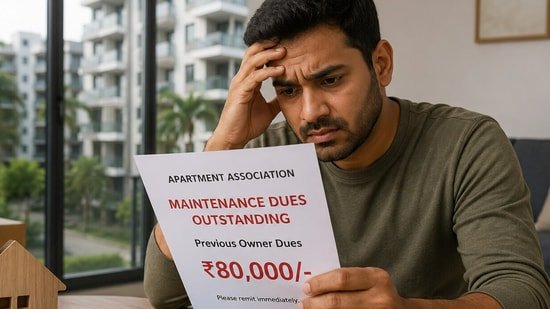
A homebuyer in Kochi thought the toughest part of buying a home was over once the sale deed was registered and the bank loan was disbursed. Instead, just days after moving into the apartment, he found himself facing an unexpected demand: pay ₹80,000 in maintenance charges that allegedly belonged to the previous owner.
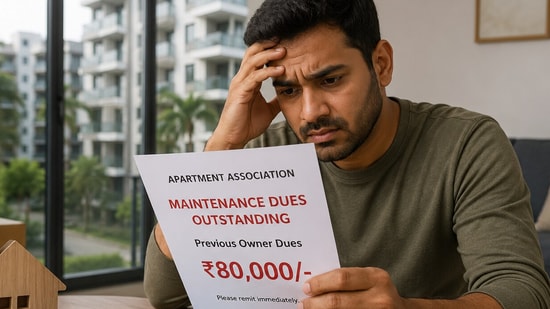
“I purchased a flat in Kochi through a bank loan in 2022. Most of the deal was handled by a broker, and I only met the actual owner near the final stage of the transaction. Before the purchase, I noticed on the apartment notice board that the owner had around ₹80,000 in pending maintenance dues. When I asked him about it, he assured me that he would settle everything. Trusting that, I completed the purchase, registration, and moved in,” the buyer wrote in a Reddit post.
However, within four to five days of taking possession, members of the apartment association approached him with a different version of events. They informed him that the previous owner had never paid the outstanding maintenance charges and questioned how the property had been sold without first obtaining a No Objection Certificate (NOC) from the association. According to them, the new owner should now clear the dues.
The buyer refused, explaining that the liability belonged to the previous owner. As a compromise, he suggested that if an association NOC became necessary when he decided to sell the apartment in the future, he would settle the issue at that stage. The association did not accept the proposal, but after that conversation, the matter remained dormant.
In the meantime, the apartment association elected a new managing committee. The new office-bearers never raised the issue, and the buyer continued living in the apartment while regularly paying all maintenance charges that became due after he took ownership.
The issue resurfaced only recently when members of the earlier association committee approached him again, demanding payment of the same ₹80,000.
The buyer says that when he contacted the previous owner in 2022, the seller insisted that the association’s claim was baseless and advised him not to pay anything. Soon afterwards, however, the seller reportedly became unreachable. Residents later informed the buyer that the former owner had a history of financial disputes and alleged fraudulent conduct. Within weeks of the sale, he had changed his phone number and disappeared.
“Legally, can the association force me to pay the previous owner’s maintenance dues after all these years? Was it my mistake for not obtaining an NOC before the purchase? What options do I have now,” the buyer asked on the Reddit platform.
Bought a flat with pending maintenance dues? Here’s who is legally liable
The situation raises several legal questions. Does liability for unpaid maintenance automatically transfer to a subsequent purchaser? Is obtaining an association NOC mandatory before purchasing an apartment? If no NOC was obtained, does that make the buyer responsible for the previous owner’s default? Can an association recover historical dues from the current owner when it failed to pursue the matter for years?
The answers depend on several factors, including the apartment association’s registered bye-laws, the terms of the sale agreement, state apartment ownership laws, and whether the association’s rules create a charge on the property itself or only a personal liability against the member who incurred the dues.
For homebuyers, the case highlights the importance of carrying out due diligence beyond verifying title documents. Before purchasing an apartment, buyers should seek a written maintenance dues certificate or NOC from the apartment association, confirm that all utility charges have been cleared, and include appropriate indemnity clauses in the sale agreement to protect themselves against undisclosed liabilities that may surface after the purchase.
“A homebuyer who purchases an apartment without verifying pending society dues could end up paying for the previous owner’s unpaid maintenance bills. For instance, if the seller has outstanding maintenance dues of ₹80,000, the housing society can recover the amount from the new owner if the transfer is completed without clearing the dues,” Venkat Rao, founder and managing partner, Intygrat Law Offices LLP, told Hindustan Times Real Estate.
The reason lies in the way most cooperative housing societies operate. Society by-laws and transfer procedures generally require the seller to obtain a No Dues Certificate (NDC) or No Objection Certificate (NOC) from the society before the property is transferred. These documents confirm that all maintenance charges and other society dues have been cleared, he explained.
If a property is transferred despite pending dues, the liability often attaches to the flat rather than the individual owner. As a result, the housing society can demand payment from the new purchaser. The buyer may subsequently have the legal right to recover the amount from the seller, depending on the terms of the sale agreement, but that becomes a separate dispute between the buyer and the seller. The society is not required to pursue the previous owner first, he said.
“The underlying legal principle is buyer beware (caveat emptor). A purchaser is expected to carry out adequate due diligence before completing the transaction. This includes verifying whether there are any outstanding maintenance charges, obtaining the society’s NOC or No Dues Certificate, checking the society’s records, and ensuring that the sale agreement clearly allocates responsibility for any pending liabilities,” he said.
In other words, a buyer cannot later argue that they were unaware of the outstanding dues. Failure to conduct proper due diligence does not absolve the purchaser of liability towards the housing society, even though they may have recourse against the seller to recover the amount paid, he added.
(Disclaimer: This report is based on user-generated content from social media. HT.com has not independently verified the claims and does not endorse them)
