



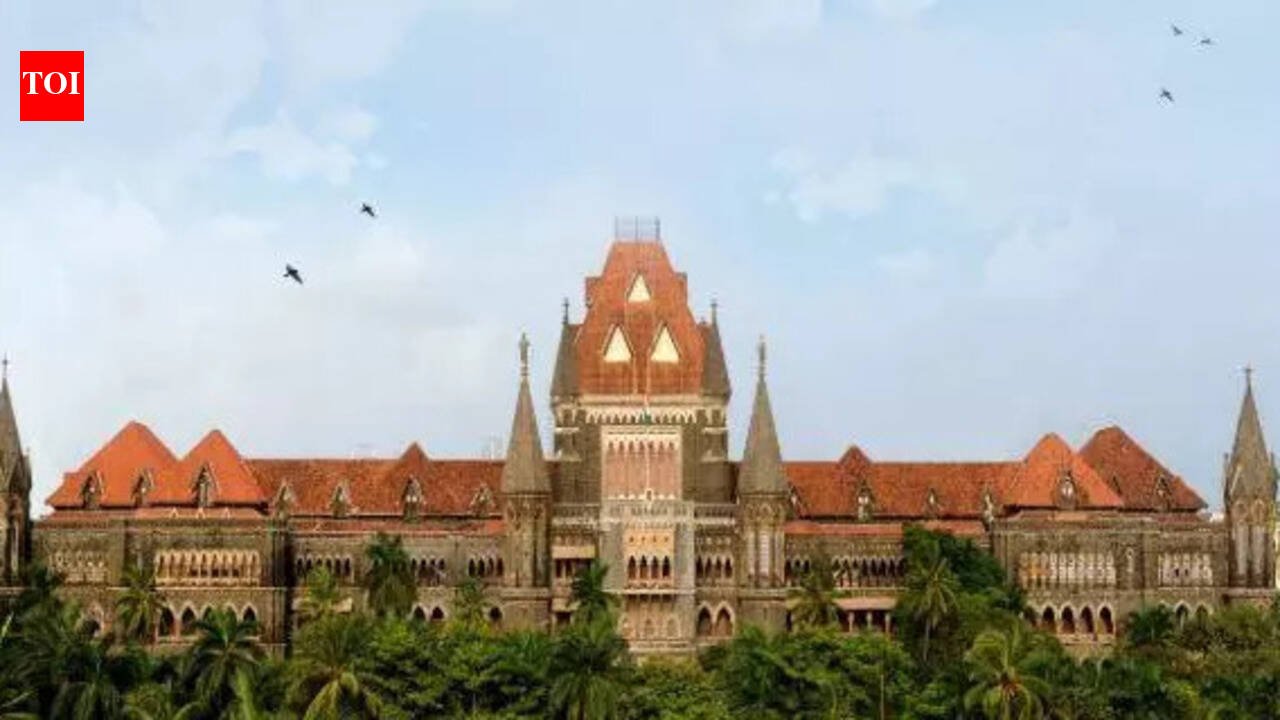
Mumbai: The Bombay high court frowned at Maharashtra State Road Transport Corporation Ltd for refusing Rs 50 lakh compensation to the widow of an employee who died due to Covid-19. She was given Rs 5 lakh payable to those not entitled to receive Rs 50 lakh.Justices Makarand Karnik and Shriram Modak on Tuesday allowed Sunita Jagtap’s petition and quashed and set aside MRSTC’s three letters of rejection. They directed MSRTC, after adjusting Rs 5 lakh, to pay her Rs 45 lakh within 8 weeks. If the amount is not paid within this period, MSRTC will pay 6% interest per annum till the date of realisation.
On March 23, 2021, Bapu Jagtap was deputed at BEST depot, Wadala. He joined duty the following day and worked till March 28. As he was unwell, he took 4 days’ leave and returned home to Manmad, Nashik district. On April 3, he was admitted to the sub-district hospital, Yeola. He was diagnosed as Covid-positive and died on April 7, 2021. MSRTC’s reason for rejecting the widow’s Rs 50 lakh compensation claim was that Jagtap “was not assigned essential services and he was not a driver...”His widow relied on MRSTC’s June 1, 2020, circular to pay Rs 50 lakh to drivers, conductors, controllers, security guards coming in direct contact with passengers. It was extended by Sept 30, 2021, circular which also provided for Rs 5 lakh ex-gratia in case of death of an employee not entitled to Rs 50 lakh.The judges noted the state govt’s May 29, 2020, GR clarified its benefits will extend to all employees of local bodies and state govt public undertaking, which includes MSRTC. They said Jagtap, who was supervising traffic, would qualify under MSRTC’s circulars, adding; “Even if the deceased was deputed to control the traffic, it does not mean that he was supposed to do the work by sitting in the office.” He was supposed to interact and came in contact with drivers and conductors “thereby exposing him to the same risk” as them.The judges were constrained to hold that the respondents—chairman, divisional controller and depot manager—”took a narrow view of the circular”. They “have forgotten the precarious situation prevailing during the Covid period when no one was ready to go out of the house for discharging their duties”. “The life of the general public came to a standstill” and public services, including transport, were kept open for limited services. Jagtap did his duty “at the risk of his life.” The respondents “cannot avoid their responsibility,” the court said.


