






Biotechnology, when I was a student in the early 1970s, was test tubes, pipettes, culture plates and microscopes. Today, however, biotechnology is no longer just a laboratory discipline. It is a platform for technologies that power healthcare, agriculture, industrial manufacturing and environmental solutions. Biotechnology today is an integrated inter and multi-disciplinary science where biology has married data, engineering, computation, advanced bioprocessing and enterprise to solve real world problems. This convergence is what makes the field dynamic and relevant to India’s future.
The landscape in India
The Indian bioeconomy was worth USD 195.3 billion in 2025.
India is rapidly becoming a healthcare-biotech ecosystem, built around biologics, biosimilars, genomics, diagnostics, cell and gene therapies. AI-enabled discovery and domestic manufacture of complex medical technologies is on the rise. Of the over 2,40,000 startups in India 5% or 12,000 are in the biotech space, with about 30% of these in healthcare.
Advancing health
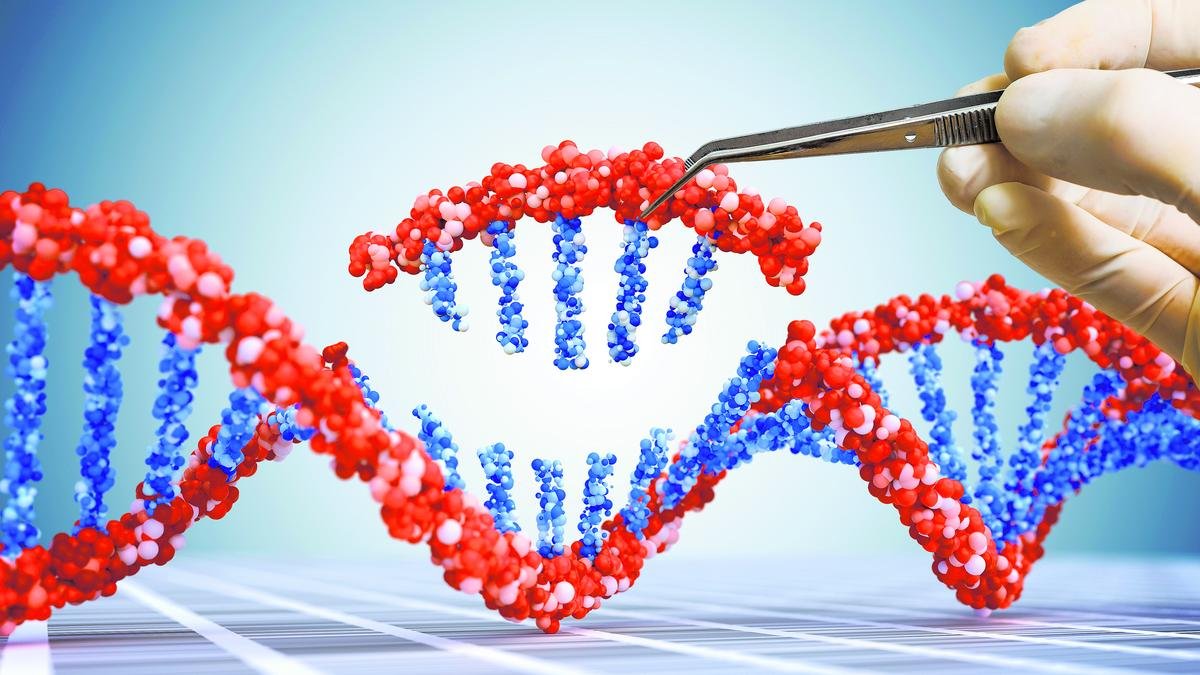
Biotech in healthcare includes genomics and Next-Generation Sequencing, used for disease diagnosis and cancer profiling, as well as CRISPRand related tools that are opening opportunities in the management of inherited disorders, oncology, cell and gene therapy, rare disease workups and outbreak tracking. Bioinformatics and AIhelp analyse large biological datasets, discover biomarkers, predict drug targets and reduce time from discovery to application. Synthetic biologyallows researchers to design non-existent biological systems and microbes for newmedicines, enzymes, vaccines, biofuels, biomaterials and specialty chemicals. Synthetic biology is beginning to resemble engineering in terms of design, optimisation, and application.
Recombinant technologies, cell culture platforms, monoclonal antibodies, mRNA-related platforms, process analytics and biologics manufacturing are central to modern drug and vaccine development. Production of Covid vaccines in India demonstrated how biotech can move from the bench to the bedside and from the bedside to population-level impact in record time. The future of this sector lies not only in producing large volumes, but in developing smarter and more targeted vaccines. We have strong foundations in pharmaceuticals, vaccines, clinical research and scientific talent. What we need now is deeper translation — stronger links between academia, industry, hospitals, startups, and policymakers so that more ideas can become real products and therapies.
Indian success stories
There are many Indian biotech success stories. The Biotechnology Industry Research Assistance Council (BIRAC)as an ecosystem builder has supported hundreds of biotech companies, startups and incubators, has helped generate IPs and patents and has enabled commercialisation of many products. Portable, cost-effective solutions designed for scale and accessibility to screen newborns for hearing impairments are a reality today. The indigenous manufacture of Covaxin by Bharath Biotech and how it revolutionised Covid-19 management in India is well known.
Indian biotech has today moved into advanced cell therapy. Indigenous CAR-T cell therapy at a fraction of the overseas cost is an example of high-end translational innovation. Zaynich,an antibiotic developed in India by Wockhardt, has been approved for use in the United States, proving India’s growing capacity in novel drug development.
What lies ahead
The 2024 BioE3 Policy identifies precision biotherapeutics—including monoclonal antibodies, mRNA therapeutics, and cell and gene therapy—as a priority area, alongside bio-based APIs and enzymes, functional foods, and Bio-AI-enabled biomanufacturing. Cancer care is probably where Indian biotechnology can have the clearest, early clinical impact. Genomics is also surging ahead, with Genome India initiative having already made significant progress.
For India, biotechnology is a national opportunity – a key pillar of future growth. We are strong in pharmaceuticals, vaccines, clinical research and cost-effective innovation. There is rising momentum in biomanufacturing, startups, diagnostics and digital health-linked biotech. A strong biotech ecosystem improves healthcare access, reduces dependence on imports, builds domestic manufacturing capacity and generates high-value jobs. For this to happen, we need to translate science into products, services and systems that people can use. This requires regulatory clarity, translational funding and a culture that values implementation as much as publication.
What we need
Biotechnology in relation to healthcare directly affects how we live, how we heal, how we produce and how we sustain our environment. To build this interdisciplinary capability we need scientists, clinicians, engineers, data experts, and entrepreneurs working together. We need better translation from research to real-world use, so that AI tools and gene-editing innovations do not remain only in academic journals, but become practical solutions for patients and communities.
Students should build skills in core science including molecular biology, genetics, microbiology, biochemistry, immunology and cell biology; technical skills inPCR, sequencing basics, cell culture, protein work, chromatography, assay development, and GMP (Good Manufacturing Practices) awareness; digital skills inbioinformatics, statistics, coding literacy, database handling, data visualisation and AI tool familiarity and professional skills in scientific writing, communication, teamwork, ethics, regulatory awareness, analytical thinking and problem-solving.
In the last Union Budget, an announcement was made regarding a ₹10,000 crore outlay over five years to strengthen biologics and biosimilars for affordable healthcare and global impact. Project SHAKTI (Strategy for Healthcare Advancement through Knowledge, Technology & Innovation) confirms India’s firm resolve to treat biotech as a priority
The future belongs to people who can connect biology with technology and deliver usable solutions. Biotechnology is not one career — it is an ecosystem of careers.
(Dr. K. Ganapathy is past president of the Neurological Society of India and the Telemedicine Society of India. A former distinguished visiting professor at IIT, Kanpur he is currently an honorary distinguished professor at IIM, Jammu. drkganapathy@gmail.com)
Published – September 17, 2026 10:07 pm IST


