



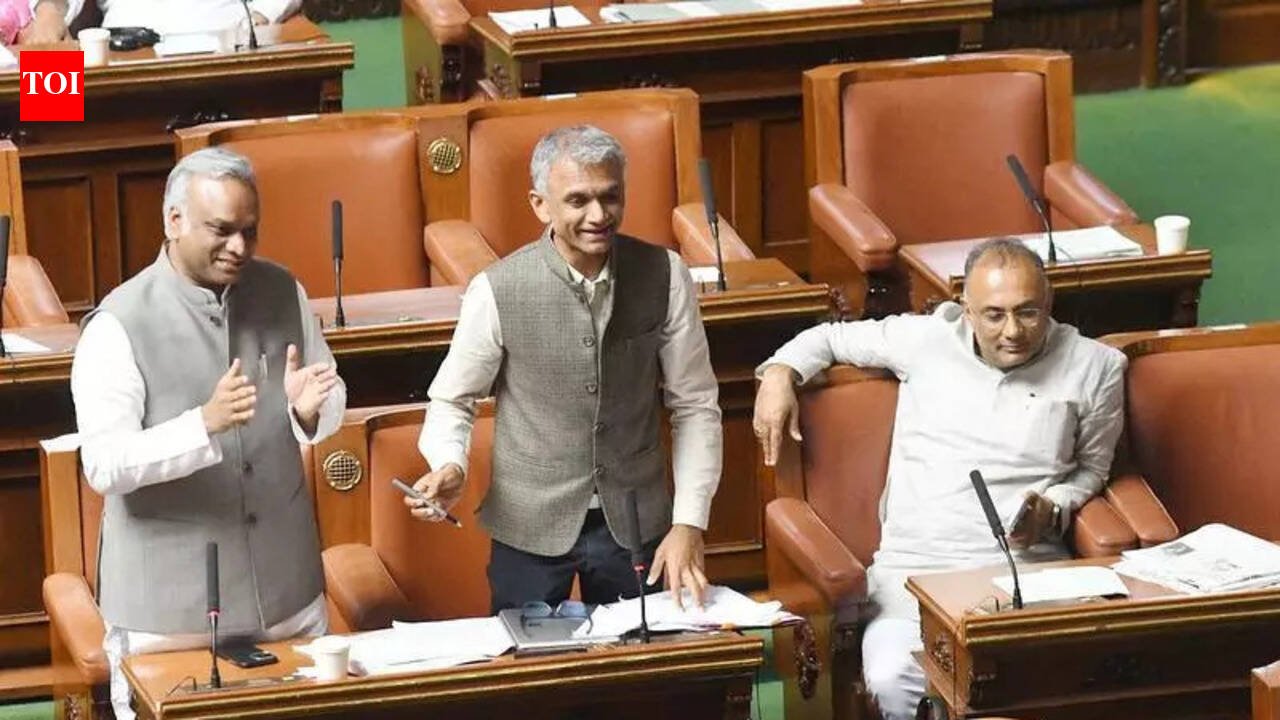
Bengaluru: The govt Wednesday tabled the Karnataka Freedom of Choice in Marriage and Prevention and Prohibition of Honour and Tradition (Eva Nammava Eva Nammava) Bill, 2026, in the assembly, seeking to curb honour killings and caste-based violence linked to inter-caste and interfaith marriages. The bill draws its name from a 12th-century vachana by social reformer Basavanna, meaning ‘He is ours, he is ours’, reflecting ideals of equality and non-discrimination. The move follows the Dec 2025 killing of a pregnant woman in Hubballi, allegedly by her family for marrying a Dalit man. Priyank Kharge, rural development and panchayat raj minister, tabled the bill on behalf of the law minister. The proposed legislation gives consenting adults the right to marry and prescribes stiff jail terms for offences committed in the name of honour, besides fines. It states that those responsible for causing death of a person or couple in the name of honour could face a minimum prison term of five years, without affecting punishments under the Bharatiya Nyaya Sanhita. For grievous injuries inflicted on a couple or individual, the bill proposes a jail term of not less than three years and a fine of up to Rs 3 lakh. Causing minor injuries could attract a minimum prison term of two years and a fine of up to Rs 2 lakh. The bill also seeks to penalise unlawful assemblies formed in the name of honour or tradition, as well as acts of criminal intimidation against couples, their relatives or supporters. Such offences could invite imprisonment of three to five years and a fine of up to Rs 2 lakh. All offences under the proposed law are classified as non-bailable. It notes that honour-based violence, especially against young adults exercising their right to choose a partner through inter-caste marriages, continues due to caste-based discrimination and violates fundamental rights under Articles 14, 19 and 21 of the Constitution. The govt says the bill was proposed in the absence of a dedicated law addressing honour-based crimes, which has often led to perpetrators escaping stringent punishment and victims receiving inadequate protection and rehabilitation. The legislation also proposes setting up district-level platforms titled ‘Iva Nammava’ to support couples and prevent such crimes. These panels, to be constituted by district magistrates, will include a retired judge, police officer, revenue officer, sub-registrar and others. The bill provides for special fast track courts for cases under the act and mandates police to file chargesheets within two months. It also includes provisions for safe shelter and security for affected couples.


