



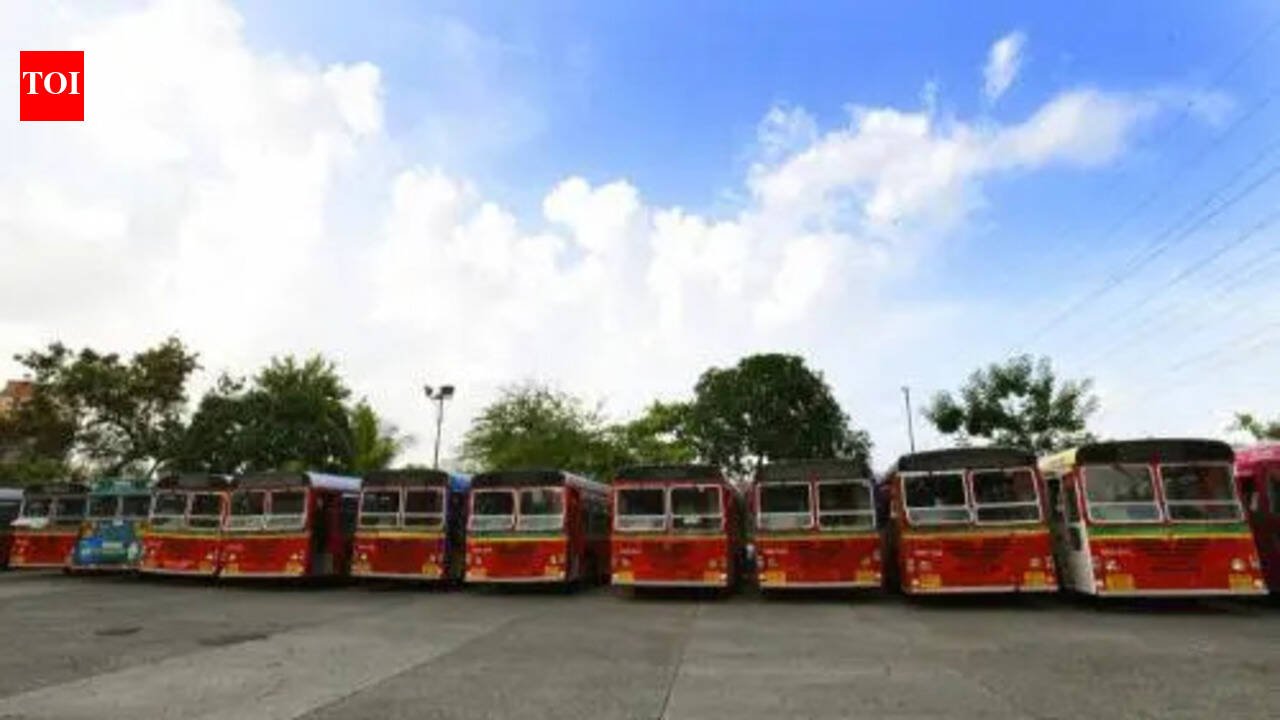
Mumbai: BEST panel members on Friday flagged what they described as a grave and immediate threat to commuter safety arising from “defective buses” in the fleet, including wet lease contract buses operating on Mumbai roads. BEST general manager Sonia Sethi has now directed that an intensified inspection drive be undertaken on a war footing to identify any such buses, and a detailed report be put up by a probe team from the traffic division within a week.The move follows the Bombay High Court’s observation in the 2024 Kurla accident case, terming as “shocking” the fact that BEST drivers received no practical training of operating electric buses. The HC has granted bail to the BEST driver.In his petition to BEST administration, Sena UBT member Nitin Nandgaonkar submitted documentary proof and a detailed defect chart covering two private bus contractors. According to him, in one case, defects were found in eight buses, while another concerns five wet lease buses. He alleged that several of these vehicles continue to be deployed despite major technical faultsthat should have kept them off the road.Among the serious defects highlighted are steering lock issues, brake failure risks, brake liner problems, poor overall vehicle condition, lack of safety measures and inadequate maintenance leading to repeated breakdowns. He warned that faults in critical systems, such as steering and brakes, can directly result in crashes and mishaps, putting not only passengers but also pedestrians at risk.Nandgaonkar further alleged that in some cases, engineers identified defects and insisted on repairs, but buses were later shown as “repaired” and returned to service without proper rectification. In one instance, he claimed that steering lock work was marked completed, but during a second inspection, the defect was not properly attended to, leaving a continuing threat to public safety. He also said in some cases, second checks were not conducted at all.A senior BEST official, however, said all wet lease buses undergo regular snap inspections and surprise technical checks at depots. Critical systems, such as steering, braking, tyres, suspension, structural condition, electrical systems and overall operational fitness, are examined. If any defect or maintenance lapse is found, immediate corrective action is initiated, including withholding deployment, directing repairs, technical re-verification before re-induction and imposing contractual penalties where warranted. The official maintained that buses with safety-critical defects, especially involving steering or braking, are not allowed to operate unless rectified and certified fit.Nandgaonkar also questioned accountability, asking whether wet lease operators faced penalties for deploying poorly maintained buses. He demanded regular road worthiness checks, annual fitness tests by the Regional Transport Office, a high-level independent inquiry, strict action against guilty contractors and officials, and a rule that no bus should operate without written clearance from the engineering department.AIMIM’s Faisal Khan also raised concerns over passenger comfort and safety, saying there have been cases of air-conditioning failures in older buses, a serious issue during the summer months.


