



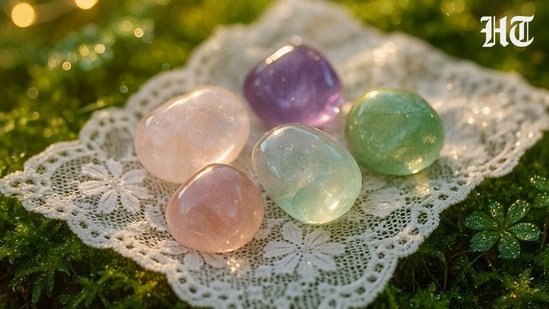
As parents, you are always looking for ways to support your child’s emotional well-being. From bedtime routines to confidence-building activities, you know that small yet daily practices can make a big difference. In recent years, many families have started exploring healing crystals as mindfulness tools to help children feel calmer, more focused, and emotionally supported. While crystals are not a cure for challenges children may face, they can encourage comfort, self-awareness, and emotional balance.


Kishori Sud of EnigmaTarotTribe shared that, “Crystals are not magic wands, and they are definitely not replacements for medical help. But as someone who works closely with energy, intuition, and emotional healing, I truly feel crystals can become beautiful companions for children when used with intention, mindfulness, and love.”
ALSO READ: 5 simple ways to use crystals to protect your aura and stay balanced
“Children are naturally intuitive. They connect with colours, textures, feelings, and energies much faster than adults do. Give a child a crystal and watch how instinctively they pick the one they feel drawn toward. That alone says a lot,” added the IPHM certified Spiritual Life Coach & Energy Worker.
Today, many parents incorporate crystals into everyday activities such as:
- Bedtime routines
- Study sessions
- Meditation
- Emotional conversations
- Managing travel anxiety
- Coping with school stress
- Confidence-building exercises
The goal is not superstition. Instead, it is about creating intentional moments of calm, comfort, and emotional safety for your child.
Best Healing Crystals for Kids
Rose Quartz
If there is one crystal that is often recommended for children, it is Rose Quartz. Its soft and gentle energy is associated with emotional warmth, comfort, and reassurance.
It is commonly used for:
- Sensitive children
- Separation anxiety
- Friendship-related disappointments
- Emotional reassurance
- Self-love and kindness
A small Rose Quartz heart placed under a pillow or near a study table can serve as a comforting reminder of love and security.
Amethyst
Amethyst is one of the most popular crystals for sleep due to its calming, soothing energy.
You can place it:
- Near the bed
- Inside bedtime crystal pouches
- Beside storybooks
- In calming corners of the room
It is often used during nighttime affirmations or quiet moments before sleep to help create a peaceful atmosphere.
ALSO READ: If you see these dreams, your life may be about to change: 7 powerful signs you must not miss
Citrine
Some children naturally struggle with shyness, fear of speaking up, or low self-confidence. Citrine is often associated with joy, creativity, positivity, and self-belief.
Many families use it to support:
- School-going children
- Creative hobbies
- Motivation
- Positive mindset practices
Its bright energy makes it a favourite for confidence-building routines.
Black Tourmaline
Children can be highly sensitive to the emotions and energy around them. Black Tourmaline is often chosen by parents who want to create a sense of grounding and emotional stability.
It is commonly placed:
- Near the entrance of a room
- In school bags
- On study tables
Many people believe it helps children feel safe, balanced, and emotionally secure.
Labradorite
Labradorite is often recommended for emotionally sensitive children. Crystal practitioners believe it can strengthen emotional resilience and encourage confidence.
It is commonly associated with:
- Emotional protection
- Intuition
- Imagination
- Reducing emotional exhaustion
The beautiful flashes of colour also make it especially appealing to children.
Fluorite
Fluorite has become increasingly popular among parents of school-going children. Often referred to as the “focus crystal,” it is believed to support concentration, mental clarity, and organised thinking.
It is commonly linked to:
- Study focus
- Concentration
- Reducing distractions
- Learning support
- Decision-making
With children spending more time around screens and digital stimulation, Fluorite is often kept on homework desks and study tables.
Sodalite
Sodalite is often connected with self-expression, confidence, communication, and emotional balance.
It may be helpful for children who:
- Feel shy or socially anxious
- Struggle to express their emotions
- Experience nervousness
- Need confidence during school activities
Its calming blue appearance is often associated with clear communication and emotional stability.
Different crystal forms parents can buy for kids
One suggestion often shared by crystal practitioners is to choose child-friendly crystal forms that are safe, smooth, practical, and engaging.
Some popular options include:
- Crystal bracelets
- Tumbled stones
- Crystal intention potlis
- Crystal pendants
- Crystal shapes and carvings
- Decorative crystals for study spaces or bedrooms
Important safety tips for using crystals around kids
While crystals can be wonderful wellness tools, safety should always come first.
Keep these important tips in mind:
- Avoid giving toddlers tiny crystal chips.
- Always supervise younger children when using crystals.
- Choose smooth, polished stones rather than sharp, rough pieces.
- Teach mindfulness and self-awareness rather than emotional dependence on crystals.
- Use crystals as supportive tools, not miracle solutions.
ALSO READ: Your Chinese zodiac sign and the crystal you need right now, according to an expert
Disclaimer: Healing crystals are part of spiritual and wellness practices and are not scientifically proven treatments for emotional, psychological, or medical conditions. Always seek professional medical or mental health support if your child is experiencing ongoing health or emotional concerns.


