



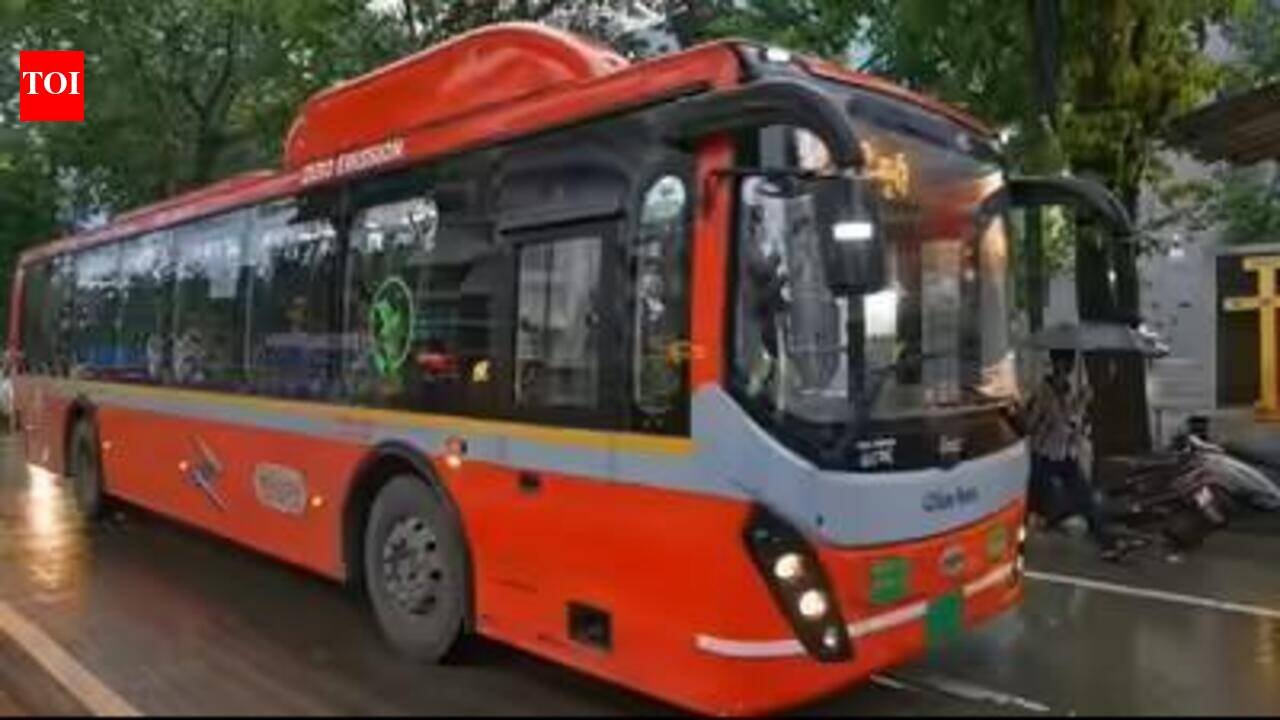
Mumbai : BEST’s ambitious plan to scale up its fleet to 10,000 electric buses over the next 3–4 years is facing a serious roadblock — an acute shortage of drivers that could directly impact services for nearly 23 lakh daily commuters.The undertaking has already cleared procurement of 1,500 buses and is preparing to induct up to 2,000 buses annually. However, officials admit that manpower has not kept pace. “There is an issue regarding availability of drivers with the scale of expansion planned,” a senior BEST official said. At present, BEST is struggling to operate its existing fleet of over 2,500 wet lease buses efficiently, and the gap is expected to widen.Senior BEST committee member Sunil Ganacharya, who had taken up the issue at this week’s panel meeting, said at least 3,000 additional drivers will be needed as new buses hit the roads in a year. The shortage is already affecting service frequency and reliability on several routes, with commuters reporting longer waiting times and overcrowded buses.Safety concerns have also intensified. Panel members have cautioned against hiring inadequately trained drivers, particularly those with experience limited to smaller vehicles such as tempos and autorickshaws. A recent spate of e-bus mishaps has added to worries, with drivers citing technical glitches even as the administration attributes incidents largely to human error.Low wages remain a key deterrent. Contractual drivers under the wet lease system earn Rs 16,000–Rs 20,000 per month, compared to Rs 35,000–Rs 41,000 earned by permanent BEST drivers. “Many are reluctant to join due to poor pay, lack of benefits and job insecurity,” said a driver from Ghatkopar depot, requesting anonymity. Frequent strikes over wages and working conditions have also disrupted services in the past.BEST has attempted to address concerns by mandating a minimum of two years’ driving experience and extending training duration from one week to four weeks as per instructions from general manager Sonia Sethi. However, panel members stress that training alone may not offset structural issues related to pay and working conditions.Introduced in 2018 to cut costs, the wet lease model — where private contractors provide buses and drivers — continues to draw criticism from unions and activists. With BEST’s daily ridership having dropped from 45 lakh to 23 lakh but expected to rise beyond 50 lakh in future, experts warn that fleet expansion without adequate, trained drivers could further strain the system and compromise commuter safety.


