



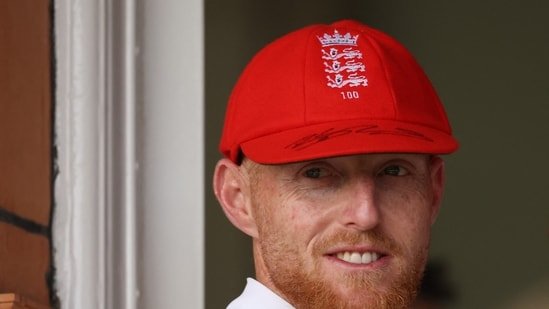
The nightclub incident was supposed to be the story. The one that shook England cricket to its core. Instead, it became the trigger for something far bigger. Ben Stokes was described as “deeply upset and apologetic” after the controversy that overshadowed England’s first-Test victory over New Zealand at Lord’s. But according to a report in The Telegraph, the incident was merely the tipping point for an all-rounder who had been carrying frustrations for months. It pushed him to the edge and left the ECB fearing it was about to lose not only its Test captain but one of the defining cricketers of his generation.
The incident occurred in the early hours of Monday. Stokes and Gus Atkinson, one of the heroes of England’s victory at Lord’s, broke away from a larger group of England players celebrating the win, breached the team’s newly introduced curfew and became embroiled in an altercation involving Saracens rugby players. During the confrontation, a punch aimed at Atkinson struck England security officer James Shaw, who required stitches.
The fallout was immediate. According to the report, senior ECB officials reacted with a mixture of “fury and utter bewilderment”, particularly because the controversy came only months after English cricket had publicly vowed to address concerns over culture and professionalism following the Ashes tour and the much-criticised Noosa episode.
For Stokes, the optics were especially damaging. His relationship with alcohol has long been part of his public story, dating back to the Bristol incident in 2017. But the 35-year-old had worked hard to reshape that narrative. He gave up drinking in 2025, invested in CleanCo, an alcohol-free spirits brand, and became one of the strongest voices advocating greater professionalism within the England setup following the Ashes fallout.
When ECB officials first learned of the nightclub incident, many privately believed Stokes’ position had become untenable. Some expected him to resign as captain within hours. The board itself reportedly had little appetite to sack him and instead offered him the opportunity to step down voluntarily.
What followed shocked even those closest to the situation. Stokes was said to be “extremely apologetic and upset” on Monday. By Tuesday, discussions had moved beyond captaincy and towards a far more dramatic possibility — retirement from international cricket altogether. Yet the report suggests the nightclub controversy was only part of the story.
For weeks, perhaps months, Stokes had appeared burdened by frustrations that stretched beyond a single night out. At Lord’s, teammates and officials noticed a captain who seemed unusually agitated. His anger over the pitch conditions was evident throughout the Test, and those close to the situation now view the nightclub episode as a symptom of broader frustrations that had been simmering beneath the surface.
As the investigation progressed, however, the ECB quickly established that neither Stokes nor Atkinson had been the aggressor. There was no police involvement, no serious injuries and no indication of criminal wrongdoing. Still, the damage had been done. England’s leadership was once again facing uncomfortable questions about discipline, accountability and team culture.
As Tuesday wore on, the mood began to change. No damaging footage emerged. Emotions cooled. Stokes retreated to the North East to spend time with family and trusted confidants. Conversations that had initially centred around resignation and retirement gradually became more measured. The prospect of walking away no longer appeared inevitable.
Then came another significant development. On Wednesday, the ECB made its first major decision, ruling both Stokes and Atkinson out of the second Test against New Zealand. But the more revealing move concerned the captaincy. Rather than handing the role to vice-captain Harry Brook, widely viewed as England’s long-term successor, selectors turned to Joe Root as interim captain for The Oval Test. The decision was interpreted by many as a sign that the ECB had not closed the door on Stokes’ return. Root was the caretaker, not the heir.
However, questions surrounding his conduct have not disappeared. Nor has the scrutiny. But by the end of a remarkable three-day period, English cricket had moved from fearing the immediate retirement of its captain to believing he could yet return to lead the side in next year’s Ashes.


