


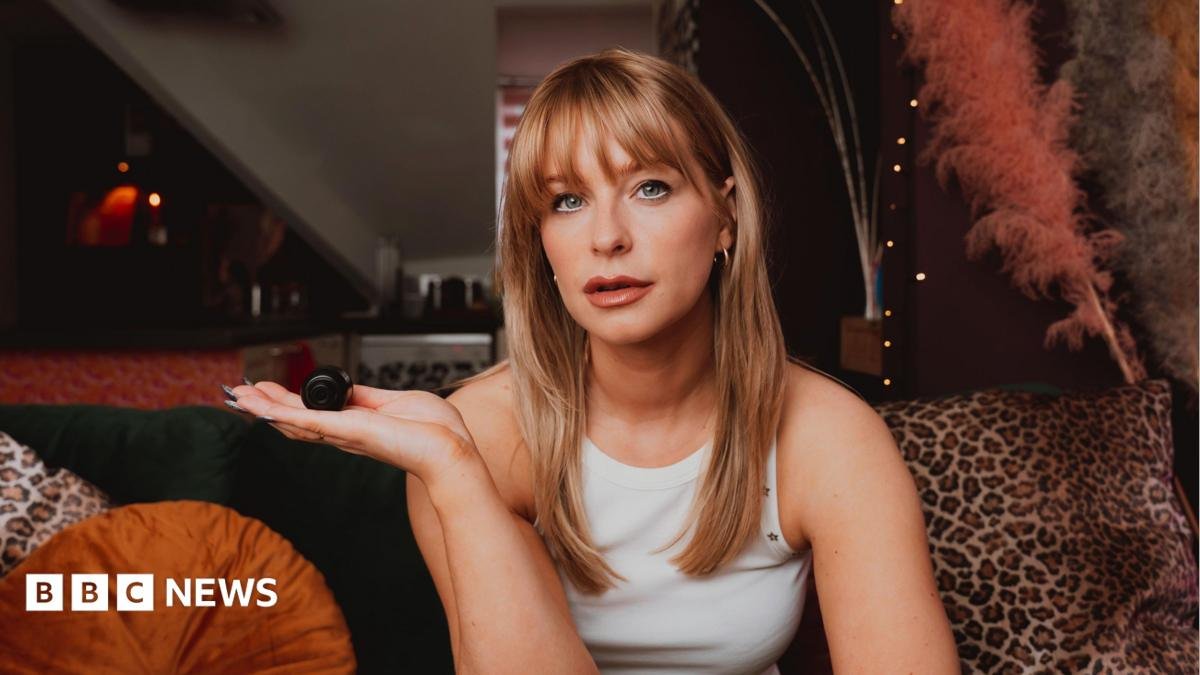
In the UK, filming someone is not automatically a crime.
For example, in public spaces, people are often allowed to film what is visible to them.
Secret recording becomes a crime for a number of reasons, including if it is voyeurism, external, takes place in an area where the person being filmed can expect privacy, or is done to cause harassment or alarm.
Domestic abuse charity Refuge is calling for tougher regulation of hidden surveillance devices and better police training to identify and investigate their use.
“What is especially worrying is how accessible and affordable these devices are, allowing more perpetrators to weaponise them as a form of control,” said its policy and public affairs manager Bo Bottomley.
It has seen a 78% rise in referrals for cases of technology-facilitated abuse in the last year.
But the charity said nearly every survivor it supports has experienced some form of technology-facilitated abuse, and there has been a rise in reports of hidden cameras and microphones being used in homes.
A spokesperson from Welsh Women’s Aid said “this form of covert surveillance can strip away a person’s sense of privacy and safety”.
The charity warned that the harm extends far beyond the initial recording, with shared images and videos having a devastating impact on survivors’ lives and leaving many feeling unsafe, even in their own homes.
“This form of abuse is particularly challenging to quantify. Many survivors will not be aware that this is happening to them,” they added.
It called on tech companies to act quickly to remove shared spycam footage and provide information to police to help identify those responsible.
The UK government has been asked for comment.
Hunting the Spycammers will be available on the BBC’s YouTube channels and the BBC iPlayer on Wednesday 15 July
