






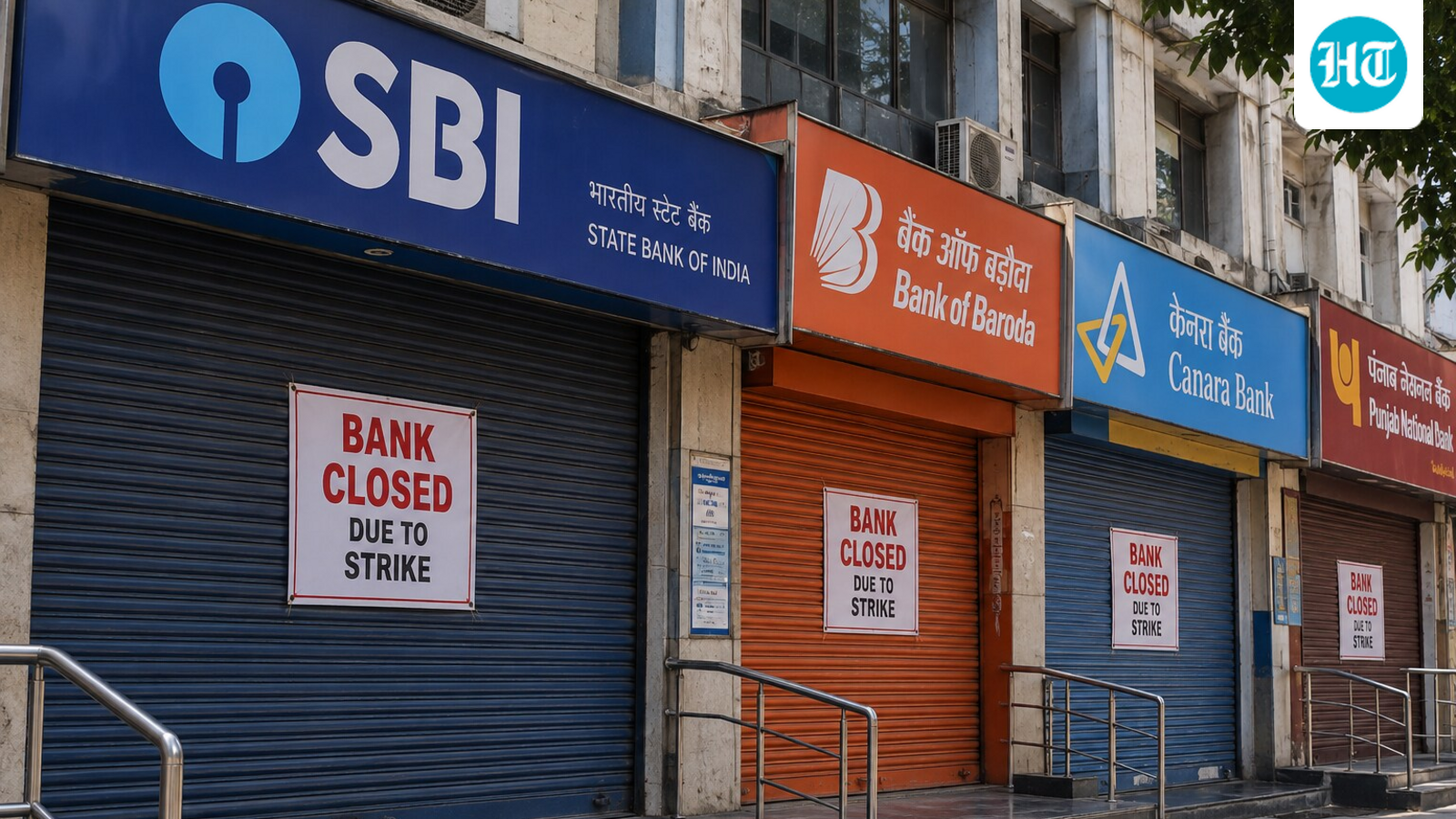
Bank customers may need to plan ahead as the United Forum of Bank Unions (UFBU) prepares for a three-day nationwide strike from September 28 to 30. The effects could be visible at physical branches, particularly those of public sector banks, as staff participation may interrupt services that require in-person processing.

The strike, however, does not imply that every banking channel will stop working. Digital payments and self-service facilities are expected to remain available, but customers with time-sensitive branch work may face disruptions.
Also Read | Banking’s next big thing isn’t about which AI platform or tools you use, it’s about what you build around it
Which services could be affected?
Branch visits
Routine work that requires a visit to a bank branch could be disrupted. These are over-the-counter transactions and account-related services that need assistance from bank employees. Customers who have essential branch work are being advised to complete it before the strike.
Cash deposits and withdrawals
Cash transactions carried out directly at a branch may be affected if the branch is closed or operating with limited staff. ATMs, however, are expected to remain available, and the Finance Ministry has asked banks to ensure adequate cash supplies during the strike.
Cheque-related work
Customers dealing with cheques may see delays in processing and clearing, particularly where the transaction requires physical intervention.
Demand drafts and other branch services
Services such as issuing demand drafts, account-related documentation and other work that depends on bank employees could be unavailable or delayed during the strike. Locker access, that requires assistance from the staff, might also be affected.
Also Read |UPI: India’s success story in transforming financial governance
What should still work?
Customers should be able to use UPI, internet banking, mobile banking and ATMs for routine transactions. Banks like the State Bank of India and Canara Bank have specifically advised customers to use alternative digital and self-service channels during the strike. That means someone wanting to transfer money, make a UPI payment or check their account balance generally does not need to wait for a branch to reopen. Nevertheless, customers should not assume that every service available online can replace branch-based work.
Another crucial detail to review is that the strike comes at a particularly important point in the banking calendar. September 30 is the half-yearly closing date, when banks handle additional reconciliation, settlement and back-office work, potentially adding to operational pressure.
Customers can minimise inconvenience by completing branch-based transactions ahead of the strike. Work that involves staff assistance, physical documents or over-the-counter processing could face delays, while routine payments and transfers are expected to continue through digital banking platforms.


