



Baisakhi 2026: Baisakhi is one of the most celebrated festivals in Punjab as a harvest festival. The day holds utmost importance for Sikh community because of its religious, spiritual, and cultural significance. Baisakhi is also celebrated as the Solar New Year. Here’s a look at the auspicious date and timings.
Also read | Pohela Boishakh 2026: When is Bengali New Year in April? Know date, time, how to celebrate
Baisakhi 2026: Date and time to significance
As per Drik Panchang, this year Baisakhi will be celebrated on April 14, 2026, Tuesday. The sankranti moment of Baisakhi will start from 09:39 am.
Dating back to 1699, Guru Gobind Singh, the tenth and last Sikh Guru established the Khalsa on Baisakhi day. He eliminated the difference between higher and lower caste communities and declared that all human beings are equal. For the Punjabi community, Baisakhi marks the celebration of their New Year’s day as well. It’s time to start afresh, forgive old grievances, and strengthen community bond through shared meals and services.
How is Baisakhi celebrated?
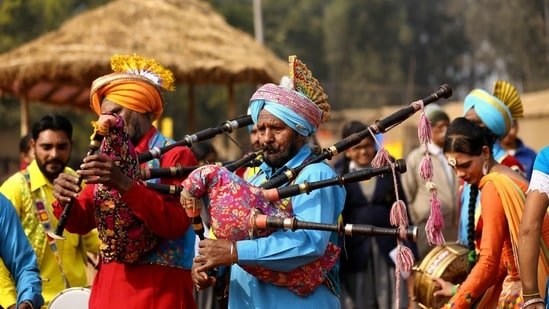
Baisakhi is marked by visiting Gurudwaras for special prayers, processions, and traditional performances like Bhangra and Giddha dances. On this day people dress up in new vibrant clothes and share feasts, especially yellow-coloured dishes. People exchange greetings and sweets to celebrate the spirit of the festival. A special communal meal (langar) is also organised at the Gurudwaras for all the visitors. The famous kada prasad is made in Gurudwaras on this day and distributed to every visitor. This day holds utmost significance for all the Gurudwaras across the world.
Food is the soul of this festival. Families prepare festive food items like sweet rice, kadhi, badam puri, chole kulche and kesari phirni, all in orange and yellow. Sarson ka saag, makke ki roti, and kada prasad are also prepared in homes. People also decorate their home in vibrant colours to mark the spirit of the new beginnings.
Cultural celebration
Local fairs are also organised featuring music and dance performances, food stalls, and cultural experience. These carnivals and fairs feature giant wheels, amusement rides, and stalls selling everything from handicrafts to delicious food. Many people participate in parades and special processions through the streets called Nagar Kirtans. ‘Nagar’ stands for town and ‘Kirtan’ stands for singing of hymns from the Guru Granth Sahib. Farmers perform dances like Bhangra and Giddha, celebrating the spring harvest and thanking almighty for a prosperous harvest. Men perform bhangra to the beats of the dhol, while women do the graceful gidda.


