



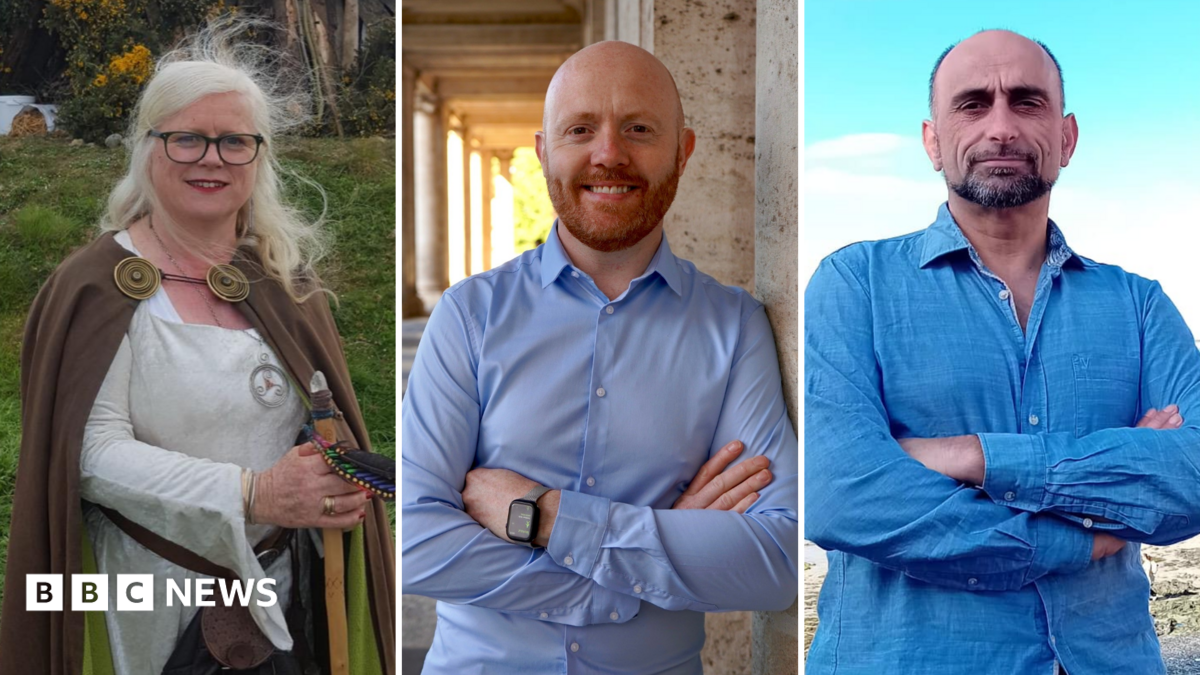
The meteorological calendar is a much more modern phenomenon, evolving through the 20th century as scientists and climatologists discovered more about weather patterns around the globe.
Like the Celtic calendar, it is divided into 4 seasons, but it starts one month later on 1 September.
BBC NI weather presenter Barra Best says it allows forecasters to “compare one season with another and look back through decades of weather records”.
“I use the meteorological calendar when putting current conditions into context – whether that’s comparing this summer’s temperatures with a long-term average, or looking at how a season compares with previous years.”
That does not mean the weather suddenly changes when the calendar flips to 1 September.
“We can still have very summery weather well into meteorological autumn, or wintry conditions during spring. The calendar simply gives meteorologists a consistent framework for recording and comparing our climate.”


