






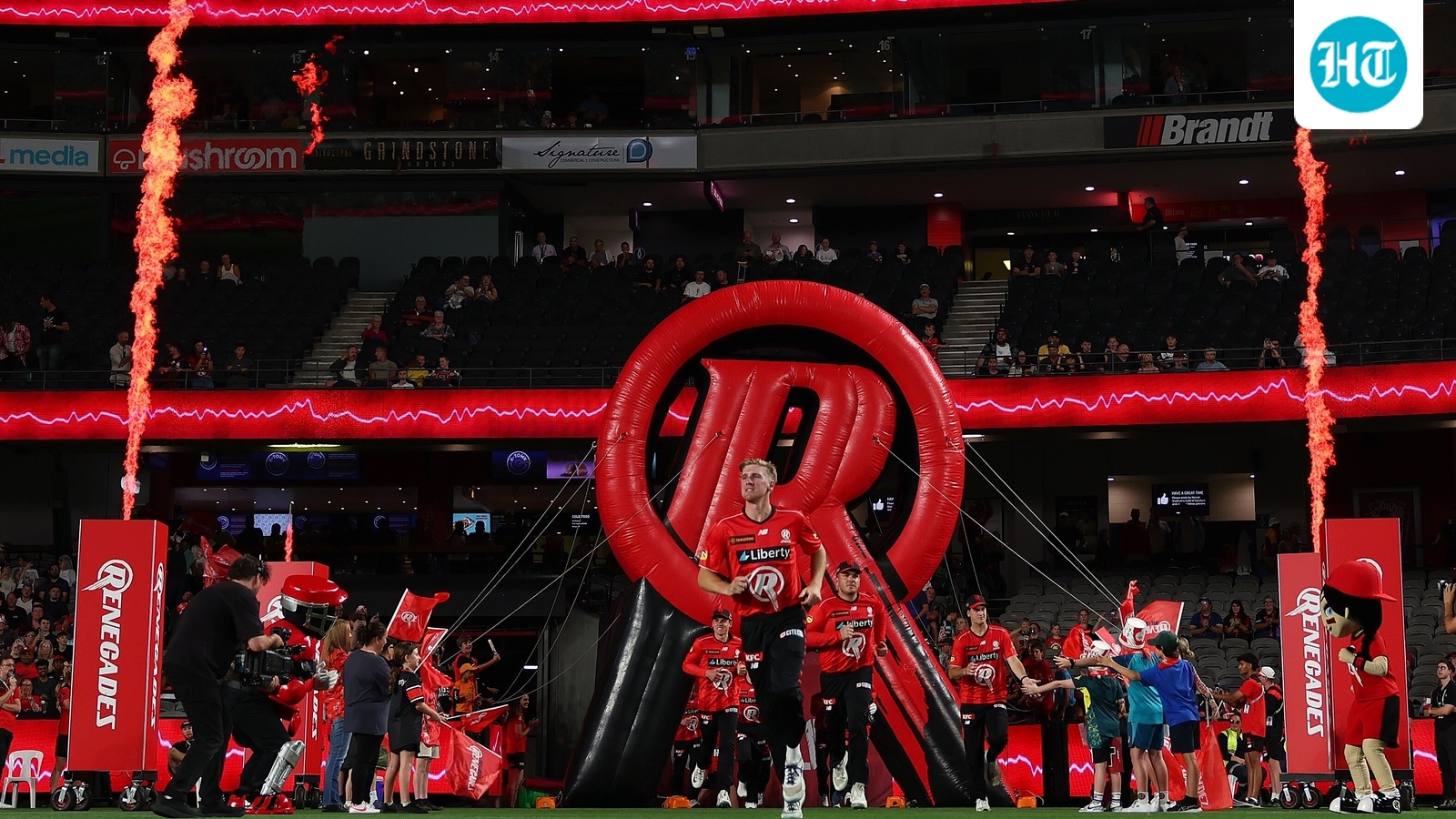
Cricket Australia’s move to open the Big Bash League to private investment has immediately run into resistance from the Australian Cricketers’ Association, with the players’ body warning that several major issues remain unresolved before any franchise sale can be completed.
CA on Tuesday confirmed that it had approved the introduction of private investment into the BBL and WBBL, with the Melbourne Renegades becoming the first franchise to be put up for sale. The governing body has begun the sales process for the Renegades licence, covering both the men’s and women’s teams, with the intention of having a private owner in place from the 2027-28 season.
However, ACA chief executive Paul Marsh stressed that CA’s announcement does not mean a sale can simply proceed. In a statement released by the players’ association, Marsh said a new agreement covering player contracts and the changing ownership structure must first be negotiated. “We note Cricket Australia’s announcement today regarding the proposed introduction of private investment into the Big Bash Leagues, including the commencement of a sales process for the Melbourne Renegades,” Marsh said. “Today’s announcement does not alter the key requirements that must be satisfied before any sale can proceed.”
ACA says parties remain ‘a long way apart’
At the heart of the dispute is the need for a new Memorandum of Understanding between CA and the ACA, particularly around player contracting and the financial consequences of private ownership.
“A new Memorandum of Understanding and new player contracting arrangements, potentially involving new team owners, must first be negotiated and agreed between the ACA and CA,” Marsh said. “Significant issues remain unresolved and the parties are currently a long way apart on a new agreement.”
The warning comes despite the ACA being broadly supportive of the idea of bringing private capital into the Big Bash. The dispute is therefore not primarily over whether private ownership should be introduced, but over how the new structure would work and what share of the financial benefits should flow to players.
Australian players currently receive 27.5 per cent of Australian Cricket Revenue under the existing 2023-28 MOU, in addition to a potential 2.5 per cent performance pool. The arrival of private investors has created a fresh debate over whether proceeds generated from selling BBL franchises should be treated as cricket revenue under that agreement. The ACA has also reportedly pushed for the players’ revenue share to increase to as much as 33 per cent under a new arrangement, while CA and the states have concerns about the impact such an increase could have on funding elsewhere in Australian cricket.
Also Read: Cricket Australia confirms privatisation in Big Bash League, Melbourne Renegades up for sale
The difference could become particularly significant given the valuations being discussed for BBL franchises. Estimates surrounding the private investment process have suggested that leading teams could potentially attract valuations approaching A$200 million, making the treatment of franchise-sale proceeds a major financial issue.
Marsh, however, made it clear that the ACA had not closed the door on the project. “The ACA remains open-minded about private investment in the Big Bash Leagues and committed to negotiating in good faith with CA to ensure any future model delivers positive outcomes for both the game and its players,” he said.
CA’s new model allows individual state associations to decide whether they want private investment rather than requiring all eight BBL teams to follow the same ownership structure. The Renegades are the first franchise to enter the process, while other teams could follow if their respective state bodies choose to pursue private capital. The development means CA can now begin courting prospective investors and assessing offers for the Renegades, but the ACA’s intervention has underlined that the commercial process and the player agreement are two separate matters.
For now, the Big Bash has formally opened its doors to private ownership, but the players’ association has made clear that CA still has a substantial negotiation to complete before the first deal can cross the line.


