






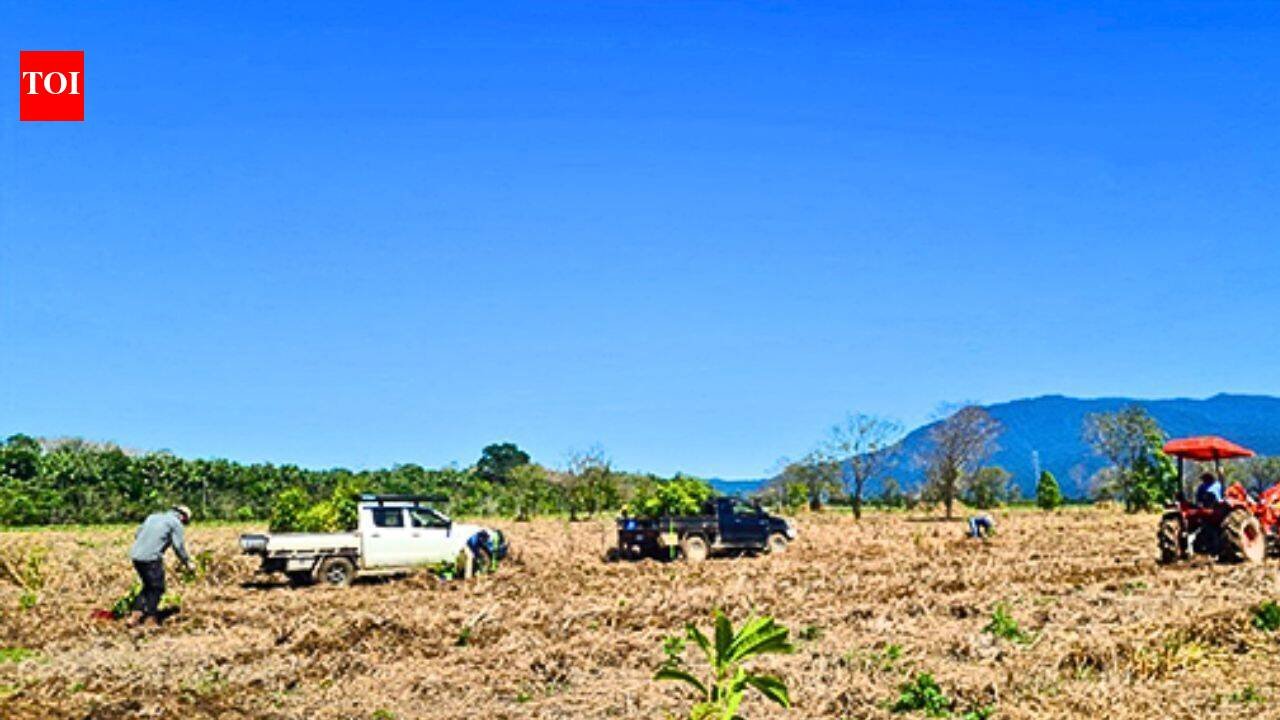
A former sugarcane property in Far North Queensland is being transformed through an 11-year project to restore endangered lowland rainforest in Babinda. The Babinda Swamp Forest Restoration project aims to restore wetland vegetation, create habitat for 53 threatened plant and animal species, and improve water quality that flows into the Great Barrier Reef catchment. It is funded through the Queensland Government’s Land Restoration Fund; the $1.5 million project is also intended to generate Australian Carbon Credit Units while supporting local employment and skills. According to a Queensland Government case study on the Babinda Swamp Forest Restoration project, by its second year, 38 hectares of rainforest species had been planted. However, the low-lying site presents challenges for restoration.
Babinda project restores lowland rainforest on a sugarcane property
The Babinda Swamp Forest Restoration project is re-establishing endangered lowland rainforest in Far North Queensland. The restoration is taking place on sugarcane property through an 11-year, $1.5 million initiative funded by the Queensland Government’s Land Restoration Fund. The project uses reforestation by Environmental or Mallee Plantings. By its second year, 38 hectares of rainforest species had been planted. The project will restore habitat for 53 threatened plant and animal species, improve water quality entering the Great Barrier Reef catchment and strengthen resilience to flooding and a changing climate. The work supports employment and skills development.
PC: Queensland Government
How rainfall and flooding are affecting Babinda rainforest restoration
The site lies at the base of Queensland’s two tallest mountains, Mount Bartle Frere and Mount Bellenden Kerr, and receives more than four metres of rainfall each year. The planting areas are only two to six metres above sea level, making them prone to flooding and tidal backflow. Conditions during the 2024–25 wet season highlighted the restoration challenge. Around half of the 13 hectares of newly planted area was lost after seedlings were buried under thick layers of plant litter and mud. Rivers stayed above minor flood levels for record lengths of time, while tidal backflow combined with dry-season flooding affected conditions. In some areas, a five-centimetre difference in ground height determined whether seedlings survived there.
What changes were made to improve rainforest planting success
The project team revised its restoration approach after the 2024-25 wet season. The team used microtopography mapping, revised species selection and adjusted planting schedules to improve seedling resilience in swamp-like conditions. Project lead Gabrielle Davidson described the changes as continuous adaptive management based on observation and ongoing decision-making. By 2026, the changes, along with a different type of wet season, had produced results in some areas. Trees planted less than a year earlier had already grown more than four metres tall. The project team continues to work in a landscape that is difficult to plan for and maintain. The restoration approach was adjusted to respond to changing wetland conditions.
Rainforest restoration brings habitat and employment benefits to Babinda
As the rainforest regenerates, the project will provide habitat for threatened wildlife including estuarine crocodiles, microbats, freshwater fish and frogs, as well as 40 threatened plant species. Planting has improved habitat for the southern cassowary and spectacled flying-fox, along with rare rainforest plants including the erect banana and Russell River Lime, found only in the region.The project is also intended to improve water quality entering the Great Barrier Reef catchment and strengthen resilience to flooding and a changing climate. Twenty-six people have worked on site, including TAFE Conservation and Land Management graduates. Some trainees have progressed into higher-level roles, while local nurseries supply native seedlings and support restoration businesses.


