



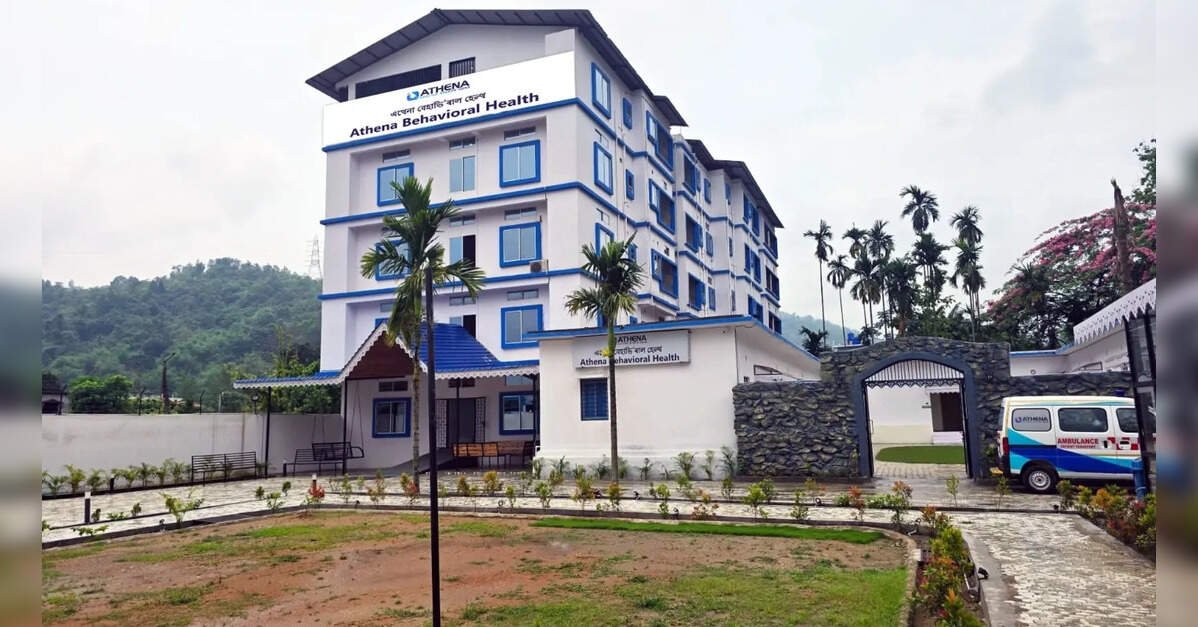
Guwahati: Nearly 8 per cent of Assam’s population around one in 12 people experience mental health morbidity, according to the National Mental Health Survey, with regional studies indicating rising cases of depression, anxiety, substance use disorders and suicide-related distress. Against this backdrop, Athena Behavioral Health has launched Northeast India’s largest integrated private psychiatric hospital in Guwahati, aiming to expand access to structured mental health and de-addiction care in the region.
Founded in 2021 with its first hospital in Gurgaon, Athena Behavioral Health has rapidly expanded into a multi-city network focused on evidence-based mental health and addiction treatment.
Dr Shradha Malik, Founder and CEO of Athena Behavioral Health, informed the expansion reflects the organisation’s effort to decentralise high-quality psychiatric care.
“From starting in Gurgaon in 2021 to building a network of five centres, our focus has remained on delivering structured, ethical and outcome-driven care. Guwahati represents an important step in extending these services to underserved regions,” Malik said.
The new hospital will provide integrated treatment for psychiatric illnesses and substance use disorders, including psychiatric care, psychotherapy, detoxification support, rehabilitation and long-term recovery planning.
The facility will address conditions such as depression, anxiety, trauma, alcohol and substance addiction, as well as co-occurring psychiatric disorders through multidisciplinary treatment protocols and 24/7 clinical supervision.
Athena is also extending its women-only psychiatric care model to the Guwahati centre, aimed at addressing gender-specific clinical and safety needs within India’s mental healthcare ecosystem.
Commenting on the development, Dr Nimesh G. Desai, Director of Clinical Governance, Athena Behavioral Health and former Director of the Institute of Human Behaviour and Allied Sciences, emphasised that expanding structured mental healthcare services to underserved regions is critical for bridging the country’s treatment gap.
Experts have increasingly highlighted the Northeast’s rising addiction burden, particularly alcohol use disorders, compounded by a shortage of certified de-addiction centres, trained addiction psychiatrists, and long-term rehabilitation systems.
The facility has been designed to address both mental health and addiction simultaneously through integrated care pathways, structured therapy, family engagement frameworks, and evidence-based recovery models. The organisation also plans to undertake regional outreach and awareness programmes to reduce stigma and encourage early treatment intervention.


