


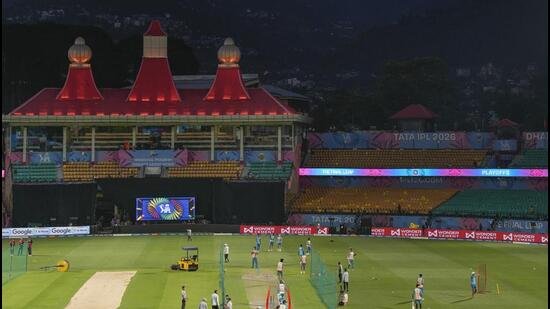
On IPL becoming a six-hitting battle between batters, Muthiah Muralitharan – the master of the doosra – delivered one that went straight through. It’s more entertainment than cricket, he said, and added that this is what fans and broadcasters want.

Which, sadly, is true but what people want is not always good, or desirable. If that was the case drugs, tobacco or every manner of contraband would be ok. IPL’s extreme pro batter nature – easy six-hitting, big scores, artificial excitement – may interest fans but brings with it serious danger.
It’s great to see innovative shots and astonishing new skills (backfoot six over mid off, off fast bowlers, is breathtaking) but when a good ball disappears into the night sky, or a mishit sails into the stands, cricket’s core takes a beating.
The excitement of TV viewers who enjoy the brutal slaughter of bowlers pushes cricket into WWF territory. Like Murali, others too want cricket to remain an equal contest where bowlers are not pushed beyond the boundary. Dravid, modern day sage/statesman, recognises the challenge but says ‘bowlers will have to find a way’.
Regarding likely lifelines to bowlers, consider these suggestions.
The obvious thing is to push the boundary rope back wherever possible, but even 75-yard boundaries will have limited impact because batters nowadays clear the ropes by a mile.
What is required, then, is something more radical and game-changing. One way to restore balance is to put fear back into batters who otherwise swing their willows without a care. The key is to make six-hitting an act of daring instead of a low-risk strike. Cricket has reached a space where players will continue to clear the field and teams will continue to score big. The point therefore is to change things so that 220 should be an exception, not par.
For this, first up, reset the Powerplay. When Abhishek Sharma/Travis Head or Prabhsimran/Priyansh fly past 100 inside six overs the game is effectively dead, and there is no comeback for the fielding side. To halt this, reduce Powerplay to four and consider allowing an additional fielder outside the 30-yard circle. T20 is best structured around five four-over segments – to allow batters a free hit for six out of 20 is loading the dice in their favour. With this gift play gets too one-sided.
The 30-yard circle also needs a relook – pushing it back to 35 or 40 will inhibit players from hitting through the line and clearing mid-off. Also, with fielders further back, top edges from front foot pulls of short balls would go to hand instead of landing in vacant areas behind square.
To challenge the batters, captains should have the option of giving any one bowler an extra over – five instead of four. This will have a massive impact as the so called weak link, the bowler to be targetted, is taken out of the system. Batters will be forced to think about who might turn up, and the ‘out of syllabus’ situation will add suspense and uncertainty into the final stage of the innings. Imagine the surprise of the batter who suddenly sees Bumrah marking his run up for his fifth!
But the most urgent change to pull IPL back from artificial excitement to skill-based bat/ball balance is to scrap the Impact Player rule. IPL captains don’t want this, nor do players. They know it’s bad for the game. The charm of cricket is that it is 11 versus 11, not 12-12, decided before the toss, with no subs, no changes. Captains must assess conditions and make intelligent choices about team composition.
Now, with 12-12 in the IPL, the captains are fearless and careless. Wrong tactical calls are not punished and cricket becomes too easy. The extra batter is insurance against a batting collapse, and with teams batting deep, top order players can go hard at every ball. The Powerplay is the new slog overs.
IPL must remain true to cricket, its basic core and traditions. It is a great product where excitement and thrills are inbuilt into the system, part of the software. It does not need gimmicky ideas or added spice. But bowlers, presently on ventilators, need a lifeline.
