



Exotic fish introduced through aquaculture and the aquarium trade are steadily taking over Goa’s waterbodies. From Batim to Cuelim and Curtorim, fishermen are increasingly hauling in African catfish and tilapia instead of the indigenous fish they once depended on, signalling a change in the state’s ecosystems Fishing activity in several of Goa’s wetlands this summer has revealed the growing dominance of invasive fish species, raising concerns over the steady decline of native fish populations and the health of the state’s freshwater ecosystems.Scientists and fishermen say exotic species, introduced through aquaculture farms and the ornamental fish trade, are steadily displacing indigenous fish communities in lakes, ponds and wetlands across Goa.An analysis of fish catches during April and May from Batim lake, Cuelim pond at Cansaulim, Nanda lake in Cacora and wetlands at Curtorim found that invasive species such as the North African catfish (Clarias gariepinus) and Mozambique tilapia (Oreochromis mossambicus) now outnumber native species by a significant margin.Other non-native species recorded include sailfin catfish (Pterygoplichthys pardalis), guppy (Poecilia reticulata), and Nile tilapia (Oreochromis niloticus). Pacu (Piaractus brachypomus) and pangasius (Pangasianodon hypophthalmus) have so far been reported only from a few locations in north Goa.“We have monitored catches in several lakes and wetlands and found that Mozambique tilapia is now the most dominant invasive fish species in Goa, followed by the North African catfish,” said Sreekanth GB, fisheries scientist at ICAR-CCARI, Old Goa.While guppies have been present since the late 1980s, sailfin catfish—an aquarium species—has spread through ponds in Cuelim and nearby water bodies over the past decade.Local fishermen say the change has been dramatic.
A few natives species like pitoll, keri, rohu, and ompok are rare survivors
“The overall catch has declined and native species like tigur have almost disappeared, replaced by African catfish. Pintoll, inzull, valloi, gouke, ghuri, forvo, daddio, tel daddio and several other smaller native fishes are now difficult to find,” said Batim farmer Agnelo Correia.At Batim lake, recent catches consisted largely of tilapia and oversized African catfish, with very few native fish. At Cuelim pond, these two invasive species accounted for nearly 60-70% of the total catch.“A few decades ago, freshwater catches would include over 20 native species, each considered a local delicacy,” said Savio Falcao of Cansaulim. “Today, the ponds have been overtaken by invasive fish and there are hardly any local tigur or other native species left.”According to Mubarak Khan, another Cansaulim villager, sailfin catfish have been regularly caught at Cuelim and surrounding water bodies for more than a decade.The picture is relatively better in some wetlands. At Nanda lake at Curchorem and Angdi lake at Curtorim, fishermen continue to net healthy quantities of native fish, although tilapia and African catfish are also present.
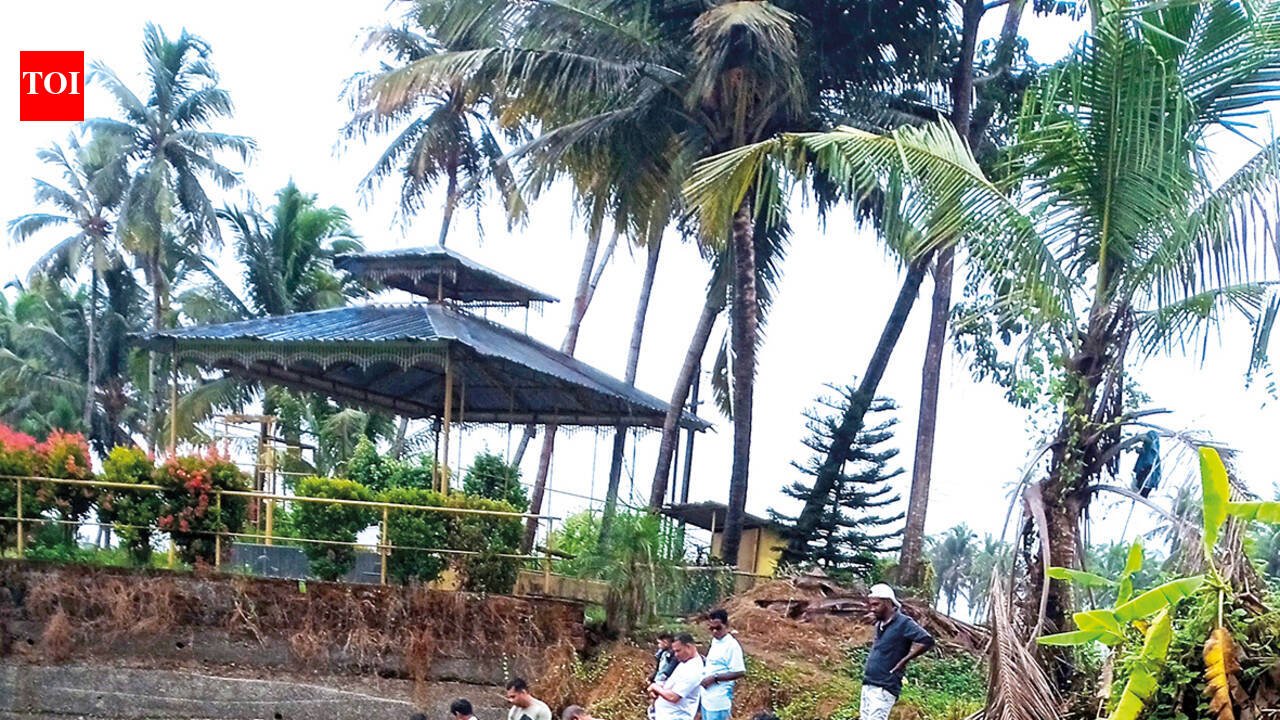
At Batim, invasive alien fish species have steadily displaced native varieties
“We still have good populations of native species such as daddi, pintoll and valloi,” said J Santano Rodrigues, chairman of the Curtorim Biodiversity Management Committee (BMC).Scientists attribute Curtorim’s comparatively rich biodiversity partly to the continuation of traditional paddy cultivation, which helps sustain healthy wetland ecosystems.A study on fresh water faunal biodiversity by Nuvem-based students Archana Deshpande and Sonia Fernandes guided by their zoology professor, Manoj Borkar, had documented 23 species in water bodies around Nuvem and Chicalim, highlighting the rich but often overlooked freshwater biodiversity of the region.The Western Ghats, one of the world’s biodiversity hotspots, harbour around 290 freshwater fish species belonging to 11 orders, 33 families and 106 genera.
Scientists warn that the spread of invasive fish remains underestimated, particularly in smaller wetlands, village ponds, and remote freshwater habitats where surveys are limited.“Several native freshwater fishes in Goa, particularly endemic and habitat-sensitive species from the Western Ghats, are classified as vulnerable or endangered by the IUCN,” Sreekanth said.He said invasive species possess several biological advantages. An African catfish can produce nearly three lakh eggs in a breeding season, tolerate low oxygen levels, high temperatures and polluted waters, and feed on a wide range of prey including fish, insects, crustaceans, juvenile native fish and even aquatic plants during their early stages.Fisheries scientists advocate biological management measures, particularly in smaller water bodies.“Pumping out water from ponds such as Cuelim could help eliminate invasive fish, although it may also result in the loss of one season’s native fish population,” said Baban Ingole, retired chief scientist at NIO and fisheries scientist.Fisheries director Shamila Monteiro said African catfish have become firmly established in polluted freshwater bodies because of their ability to survive in low dissolved oxygen conditions.
Mozambique tilapia is seen in more numbers than other alien species
“Govt has developed improved GIFT tilapia technology for aquaculture. However, tilapia is already widespread in natural water bodies and is extremely difficult to eradicate,” she said.She added that the fisheries department continues to sensitise farmers about the ban on culturing African catfish and discourages the stocking of invasive species in open water bodies.Experts say preventing new introductions remains the most effective long-term strategy. Restricting pathways through which invasive fish enter natural ecosystems, maintaining healthy wetlands and carrying out regular monitoring and targeted removal through sustained fishing can help protect Goa’s indigenous freshwater biodiversity.ICAR-CCARI has initiated measures for native fish conservation to improve their resilience against invasive ones. ICAR fisheries scientist Trivesh Mayekar said, “Documentation, brood stock development, captive breeding and ranching of indigenous fish species in Goa’s rivers and temple pondscan help restore native fish populations,’’ Sreekanth said.


