



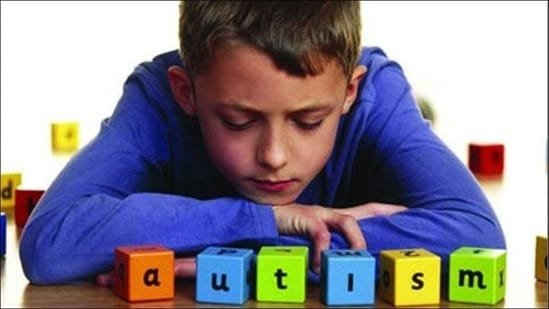
Accumulating research suggests that the diagnosis of Autism Spectrum Disorder (ASD) in women is rising sharply. Studies report a more than 300% increase in diagnoses among women between 2011 and 2022, outpacing the rise in males, where diagnoses increased by approximately 185% in boys and 215% in men over the same period. Particularly striking is the increase among women aged 26 to 34, where diagnosis rates have risen by nearly 450%.
With International Women’s Day just behind us, we reflect on an important question: Are current autism diagnostic criteria biased toward male presentations? If so, many autistic girls and women may have gone unrecognised for years.
ASD is a lifelong neurodevelopmental condition characterised by differences in communication, social interaction, and behaviour, with signs typically emerging early in childhood. Individuals with autism may experience differences in sensory processing, a preference for routine and predictability, and deep, highly focused interests. Yet growing evidence suggests that the diagnostic framework used to identify autism has historically been shaped largely by studies of boys, contributing to the under-recognition of autism in girls and women.
One reason autism is often diagnosed later in women is that their symptoms may appear less obvious or may be masked by learned social behaviours. Traditional descriptions of autism emphasise repetitive behaviours, pronounced social difficulties, and clear communication challenges—features commonly observed in early studies of boys. However, many autistic girls and women develop strategies to mimic or “camouflage” typical social interaction. They may carefully observe peers and imitate gestures, conversational styles, or emotional expressions in order to fit in.
As a result, girls and women with autism may appear socially engaged, even though they may struggle internally to interpret subtle social cues, maintain friendships, or cope with the exhaustion that follows prolonged social interaction. This ability to mask difficulties can delay recognition of the condition for years.
Differences also appear in the nature of restricted interests. Classic examples of autistic interests—such as intense preoccupations with train systems or mechanical objects—were historically derived from studies of boys. In girls, however, interests may appear more socially typical, such as literature, animals, or psychology. What distinguishes them is not the topic itself but the depth and intensity of engagement.
Because of these subtler presentations, autistic women are often initially diagnosed with other conditions, like anxiety disorder, eating disorder, depression or borderline personality disorder. While these conditions may co-occur, they can sometimes mask the underlying autism, delaying an accurate diagnosis.
Researchers are increasingly describing what is sometimes called the “female autism phenotype.” While symptoms vary widely, autistic women often report feeling socially “out of place,” difficulty interpreting sarcasm or hidden meanings in conversation, and a preference for close one-to-one friendships rather than large social groups.
Cognitively, autistic women may show strong attention to detail, a tendency to over-analyse social interactions, and a need for predictability in daily routines. Emotionally, many report high levels of empathy alongside difficulty expressing emotions, as well as burnout from years of masking their differences. Some also describe a prolonged sense of identity confusion resulting from efforts to conform to social expectations.
In India, these challenges may be even more pronounced. Cultural expectations around gender may further complicate recognition. Girls are often encouraged to be quiet, compliant, and socially accommodating—traits that can mask autistic characteristics. When girls struggle socially or emotionally, their behaviour may be interpreted as shyness, anxiety, or sensitivity rather than as potential indicators of autism. In many cases, families seek help only when difficulties become more pronounced during adolescence or adulthood.
For many women, autism is recognised only later in life—often in their twenties, thirties, or even later. Diagnosis sometimes occurs after a child receives an autism diagnosis or when women seek therapy for persistent anxiety or depression and begin to recognise patterns that resonate with their own experiences.
These trends highlight an important gap in clinical understanding. Because many diagnostic tools and research frameworks were originally developed based on male presentations, there is growing recognition of the need for gender-sensitive diagnostic approaches that better capture the diversity of autistic experiences.
Recognising autism in women is not merely a diagnostic issue—it is also a matter of access to appropriate support and self-understanding. When autism goes unrecognised, individuals may struggle for years without explanations for their experiences.
As awareness grows, researchers and clinicians increasingly emphasise that autism does not present in a single uniform way. For many women, it is experienced less as outwardly visible behavioural differences and more as an internal struggle to navigate social expectations while masking underlying challenges.
Closing the gender gap in autism diagnosis will require continued research, improved diagnostic tools, and greater awareness—particularly in countries like India where diagnostic access and public understanding are still evolving. Doing so will help ensure that girls and women on the autism spectrum are recognised earlier and receive the support they need.
This article is authored by Nandini Chatterjee Singh, head of the department and professor of psychology, Department of Psychology and Cognitive Sciences, Ashoka University, Delhi-NCR.


