


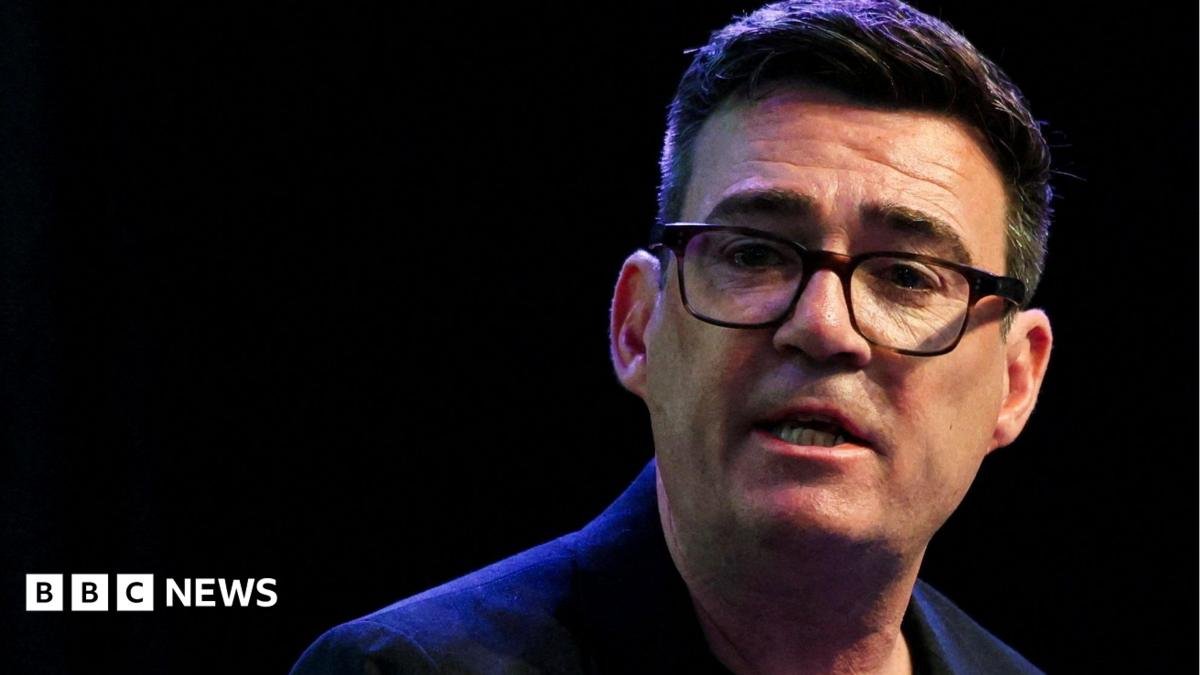
The mayor effectively chairs a cabinet made up of the leaders of all 10 boroughs of Greater Manchester.
This post incorporates the role of police and crime commissioner and managing the fire service.
As a result of the involvement in setting policing budgets and having influence over the force, MPs cannot sit in the role because of the inherent conflict of interest in them being responsible for making policing laws in Westminster.
The mayor also set transport budgets and have shared responsibility for the £6bn health and social care budget.
They also have involvement in the leadership of local NHS services, and control over the post-19 adult education budget.
It was under these powers that Burnham introduced free travel for 16 to 19-year-olds and a half-price pass for 18 to 21-year-olds.
Burnham also took control of the region’s bus network under the integrated Bee Network brand.
The mayor oversees the Metrolink tram service, and it is envisaged that by 2030, all local rail services will be part of the network.
Burnham told a BBC North West debate for Makerfield by-election this could not legally be overturned by a future mayor.
As he made his victory speech at the by-election count in Wigan, Burnham said it would not have been possible for Greater Manchester to achieve everything it could without changes being made at a national level.
He is expected to launch a leadership challenge to Sir Keir Starmer once he takes his seat in Westminster.
He said: “It’s with some sadness this result brings an end to my wonderful nine years as mayor of Greater Manchester.
“This city region has given so much to me, and it’s a wrench to have to leave the job you love. But I’m not leaving the service of Greater Manchester.
“I’ve always been clear it can’t achieve everything it should, and we can’t close the north-south divide, and we can’t make all the great northern cities be what they should be without big changes at the national level.”
