



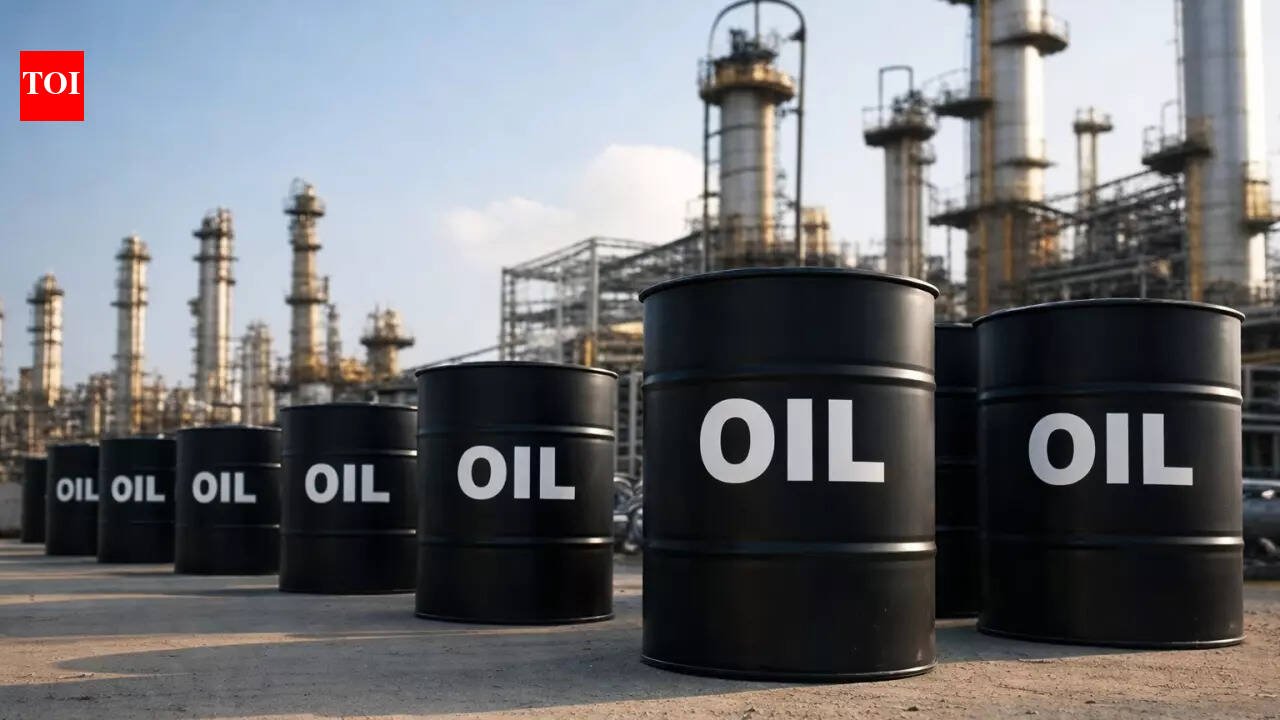
Russia’s Rosneft-backed Nayara Energy is planning to halt operations for around 35 days starting early April, a move that could temporarily take nearly 8% of India’s refining capacity offline and tighten domestic fuel availability, according to people familiar with the matter. The maintenance work comes at a time when the US-Iran war and Middle East conflict has reduced oil and gas availability. Imports of crude oil, natural gas and LPG are already under pressure due to the Iran conflict.The company had postponed maintenance work at its 20 million tonnes-per-year Vadinar refinery in Gujarat, the country’s second-largest, last year following European Union sanctions. Key European vendors, including suppliers of chemicals and catalysts, had declined to support the refinery after the sanctions were imposed. Having now completed most of the preparatory work for the turnaround, Nayara is set to move ahead with the shutdown, sources told ET.Also Read | After Trump’s sanction waiver, Reliance Industries procures 5 million barrels of Iran crude oil: ReportA large portion of the refinery’s output is sold within the domestic market, with exports having declined after the sanctions last year. A considerable share of production is supplied to state-run refiners that market more fuel than they produce, while the remaining volumes are distributed through Nayara’s network of nearly 7,000 fuel retail outlets.A person familiar with the matter said the company has sufficient buffer and product reserves during the shutdown period to ensure that fuel stations remain adequately supplied without any disruption.While refinery shutdowns are routine and other refiners typically adjust operations to maintain supply, the current situation could be more challenging. An industry executive noted that with crude imports down by about one-fifth and LPG supplies described as “worrisome,” the temporary closure of a large refinery may put pressure on domestic availability.At the same time, global prices of refined products such as aviation turbine fuel (ATF), petrol and diesel have increased, even as retail fuel prices in India have remained unchanged. This has resulted in losses for both state-run and private refiners, which are facing higher crude procurement costs.Also Read | Fragile footing: How India, China face sizeable economic damage prospects from US-Iran war; outlook has grown more daunting


