



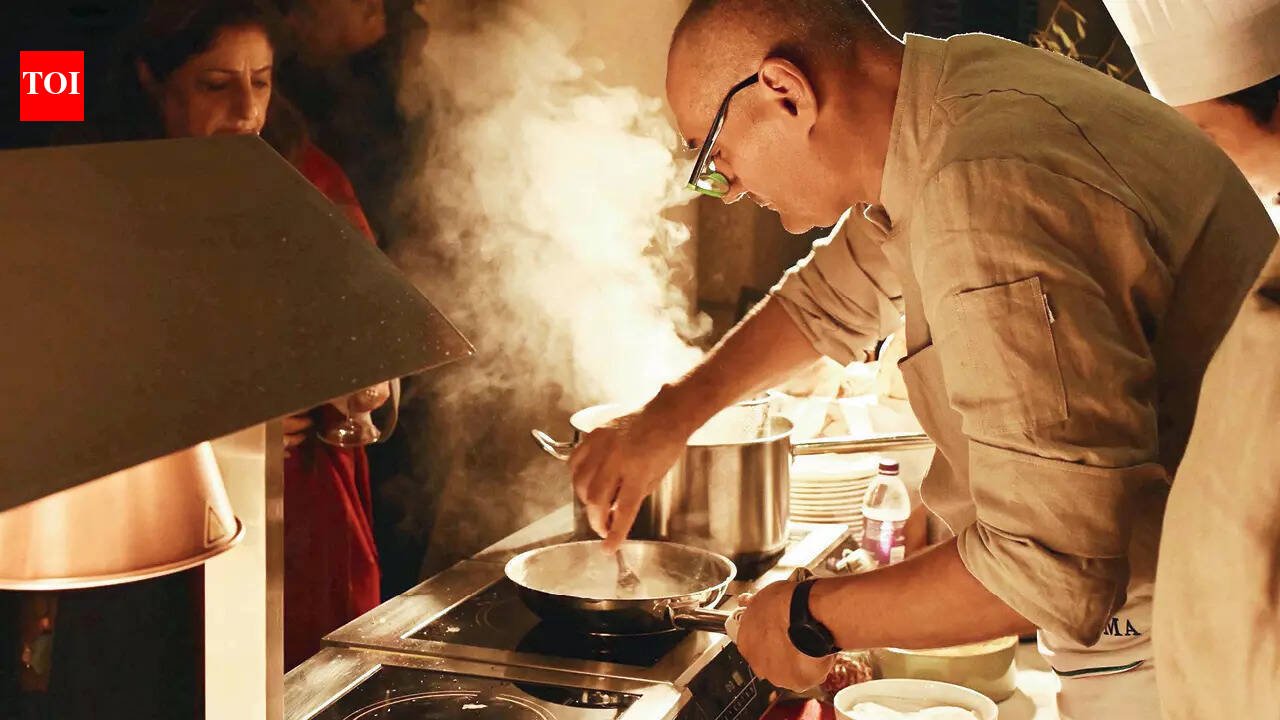
NEW DELHI: As the LPG shortage continues to disrupt homes and restaurants across the city, chefs and culinary experts are offering practical ways to cook more efficiently while reducing dependence on gas. Many chefs who are followed online for recipes are now sharing tips on energy-efficient cooking, suggesting ways households can rely more on ovens, air fryers and electric appliances while also using gas more thoughtfully.Chef Sandeep Namboodiry of Mesa and Elma’s believes one of the easiest adjustments is to move certain cooking tasks away from the stove by using appliances such as ovens, OTGs and air fryers.Vegetables like potatoes, beetroot and sweet potatoes, he says, can be prepared using the confit method — slowly cooking them in oil at low heat and storing them for later use. Roasting vegetables individually in the oven is another efficient approach.For Indian gravies, Namboodiry suggests roasting tomatoes and onions in the oven until caramelised and then blending them into a paste that can be stored and used later as a base for curries. Proteins, too, can easily make a shift. “A simple marinade followed by cooking in the oven at around 180 degrees works very well,” he says. Air fryers are useful for delicate ingredients such as fish and prawns.Chefs are also sharing everyday cooking habits that conserve gas. Chef Kunal Kapur recently shared online that preparing ingredients before switching on the stove, such as chopping vegetables and measuring spices, reduces the flame time.Cooking with a lid, he shared, traps heat and allows food to cook faster. Kapur also recommends ensuring that the flame remains only as wide as the base of the pan, reducing wastage of gas.For dishes like rajma, chhole, dals and potatoes, he advises using a pressure cooker instead of boiling ingredients in open pots. Pressure cooking can reduce gas consumption by as much as 30-50%. Soaking ingredients like dal, rice and chickpeas beforehand can further shorten cooking time, while flat-bottom cookware absorbs heat faster than curved vessels.Professional kitchens are also adopting similar strategies. Chef Vaibhav Bhargava says many restaurants are turning to induction cooktops and charcoal. “Currently we are rephrasing recipes so that they do not require high-pressure cooking.”Cloud kitchen operator Mansher Duggal, who runs delivery brands, including Enoki, Ambersar and Tahini, says some brands were already using electric hot plates, ovens and air fryers, making the transition easier.The biggest adjustment, he explains, has been with dishes that depend on intense wok flames. To adapt, some kitchens have shortened menu sections that rely heavily on high-flame cooking and introduced inductioncompatible wok systems, while also managing electrical load and retraining staff to cook on new equipment.Chef Megha Kohli of bespoke hospitality consultancy Logik says, “A quieter shift is happening on the countertop at home.” For dishes that benefit from slow cooking, appliances such as crockpots can quietly simmer rajma, chole or a chicken curry through the day without occupying the stove. Rice cookers, she adds, are perhaps the most underestimated tools in Indian kitchens, capable of preparing vegetable pulao, khichdi, lemon rice or millet bowls.Even the microwave and OTG have larger roles to play, she explains, from steaming vegetables and cooking quick snacks to roasting fish, vegetables or chicken.


