



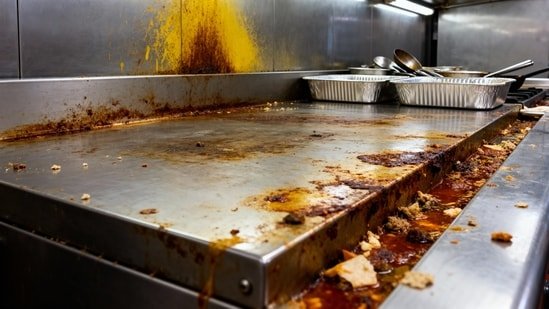
The Maharashtra Food and Drug Administration (FDA) has cracked down on four eateries in Mumbai and one in Pune over the past week for serious food safety and hygiene violations, suspending the licences of some and issuing notices to others. Doctors explain how hygiene lapses can trigger infections, outbreaks and serious health complications.

What happened
Mumbai’s K Rustom’s had its licence suspended last week after inspectors reportedly found live rats, houseflies, expired food products and other hygiene lapses.
The licences of Shalimar Hospitality Pvt Ltd, Noor Mohammadi Hotel and Rehmania Restaurant were also suspended this week following inspections that flagged issues including poor kitchen hygiene, improper food storage, pest control failures and missing safety records.
In Pune, the FDA inspected M/s BG Goyal and Company and collected food samples over suspected labelling violations and possible adulteration.
Food-borne illnesses to watch out for
Doctors say such lapses are not limited to isolated cases of food poisoning but can also trigger outbreaks that affect large numbers of people before authorities can identify the source.
“Poor food hygiene in restaurants can trigger outbreaks that affect large numbers of people before anyone even realises something is wrong. Infections can spread quickly over several days before health authorities manage to trace a common link,” says Dr N.R. Shetty, Consultant, Internal Medicine, Kokilaben Dhirubhai Ambani Hospital, Mumbai.
Explaining the illnesses most commonly linked to poor food hygiene, Dr Chirag Tandon, Director, Internal Medicine, ShardaCare – Healthcity, says food poisoning remains the leading concern, particularly during the monsoon.
“People come to OPDs with the sudden onset of loose motions, purging and vomiting, especially during periods of extreme weather such as the current monsoon. The second most common are bacterial infections, including E. coli-induced gastroenteritis and Salmonella typhi, which causes typhoid,” he says.
Dr Shetty adds, “Salmonella, E. coli, Campylobacter, Staphylococcus aureus, norovirus, hepatitis A, amoebiasis, viral infections and cholera are among the infecting organisms. Many times, waiters with unhygienic handling while serving can also spread infections.”
Everyday causes
He further explains that although many cases present with common symptoms such as diarrhoea, vomiting and stomach cramps, foodborne infections can sometimes lead to severe complications.
“Some cases end up causing kidney injury, bloodstream infections or liver inflammation. Dehydration and electrolyte imbalance are major consequences of diarrhoea and vomiting. The reasons it happens are rarely surprising — unwashed hands, food stored the wrong way, raw meat sitting too close to cooked food, or something that was not cooked through properly; that is usually all it takes,” he adds.
People most at risk
While children, older adults, pregnant women and people with weakened immunity are the most vulnerable to foodborne illnesses, he cautions that healthy adults are not immune either.
“Depending on what the contaminant is and how much was consumed, severe dehydration, serious gastrointestinal infections, or complications requiring hospitalisation are all possible. Strict food safety standards and regular inspections exist for good reason,” he says.
How customers can file a food safety complaint
If you come across adulterated, unsafe, or mislabelled food in Maharashtra, you can file a complaint through the Food and Drug Administration’s grievance redressal portal (complaints.mahafda.in). You can follow the steps below:
- Log in using your mobile phone number
- Describe your complaint in Marathi, Hindi, or English, providing as much detail as possible
- An AI-powered assistant reviews the information and helps draft your grievance in the required format
- Submit the complaint through the portal
- The grievance is then forwarded to the concerned Food Safety Officer, who investigates the matter and takes appropriate action based on the findings


