


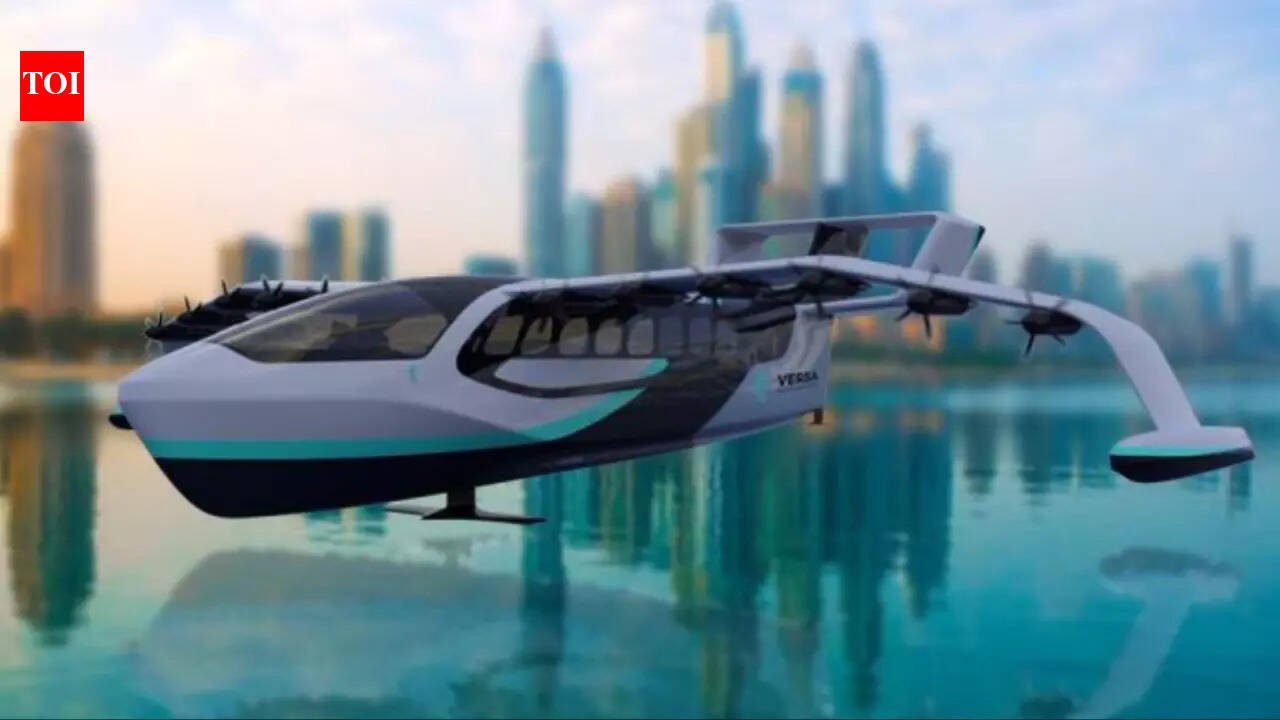
A groundbreaking new electric seaglider transport system that promises to let people literally glide across the water could soon become a reality in Abu Dhabi and the wider UAE, signalling a major shift in how coastal travel and logistics are handled across the region. The concept, which blends high-speed marine and aircraft technologies with zero emissions, is advancing rapidly through government partnerships and private sector innovation.
What are electric seagliders?
Electric seagliders are fully electric, Wing-in-Ground-Effect (WIG) craft, designed to travel just above the water’s surface using aerodynamic lift combined with hydrofoil technology. These vehicles are more efficient than traditional boats and far quicker than typical marine transport because they ride on a cushion of air over the water.A prominent model in development is the REGENT Viceroy, an electric WIG vehicle capable of carrying several passengers at speeds potentially reaching 290 kph (180 mph), with long-range capabilities as battery technology advances.
Why Abu Dhabi is leading the charge in water travel
According to recent updates, Abu Dhabi leaders and transport authorities have signed a deal with operators to bring electric seagliders to the emirate by 2028. These craft, which combine zero emissions and high speed, are expected to connect coastal communities like Abu Dhabi City and Al Dhafra Region initially, with plans to expand routes across the broader UAE coast.
السفر فوق الماء عبر الطائرات الشراعية البحرية الكهربائية فائقة السرعة !!
.
– مدة الرحلة من وسط مدينة دبي إلى مدينة ابوظبي 25 دقيقة فقط قادرة على حمل 12 راكبًا وطاقم من شخصين
.
-يتم فحصها في جزيرة رود قبل بداية إنتاجها السنة القادمة و سيلبي المصنع في ابوظبي طلب دول الشرق الأوسط… pic.twitter.com/Aut6ThENEh— uaeproject (@uae_project) April 25, 2024
The project reflects a strategic collaboration involving the Department of Culture and Tourism, Abu Dhabi (DCT Abu Dhabi), the Abu Dhabi Investment Office (ADIO) and the Integrated Transport Centre (Abu Dhabi Mobility) alongside private operators. Badr Al-Olama, Director General of ADIO, has emphasised that seagliders could position Abu Dhabi at the forefront of next-generation coastal transportation, integrating smart and sustainable mobility into everyday life.
How seagliders could change travel in the UAE
The potential applications of this new tech are wide-ranging:
- Faster Coastal Commuting: Electric seagliders could dramatically cut travel times compared with traditional boats and road transport along the coast. Earlier studies and planning have suggested a potential Abu Dhabi-Dubai journey in around 25–30 minutes, a dramatic reduction from typical road travel times between the cities.
- Tourism and Connectivity: As a zero-emission and visually striking mode of transport, seagliders are poised to enhance the UAE’s reputation as a cutting-edge travel and tourism hub, offering new experiences for domestic and international visitors.
- Logistics and Cargo: Beyond passenger service, global logistics players like DHL Express have already signed agreements to explore deploying seagliders for coastal and short-haul freight operations, showing that this tech could reduce delivery times and emissions in cargo transport.
- Offshore Support: Energy companies, including ADNOC Logistics & Services, have flagged interest in using seagliders to ferry workers to and from offshore installations, improving safety and efficiency while reducing reliance on helicopters or traditional boats.
Prototype and development efforts are already underway as electric seaglider models have entered sea testing phases with crew onboard and full-scale testing has been reported by developers in the U.S. ahead of expected passenger flights. REGENT, the main company driving this technology and its partners, expect commercial readiness between 2026 and 2028, aligning with Abu Dhabi’s plans for phased rollouts and expanded mobility options along coastal routes.
Yesterday was truly a dream come true. I finally had the opportunity to take the controls and drive the REGENT Viceroy Seaglider prototype myself.
It’s been almost 5 years since @mikeklinker1 and I quit our cushy, stable, aerospace engineering jobs to co-found @regentcraft.… pic.twitter.com/X4f0nYPM2E— Billy Thalheimer (@billythalheimer) August 7, 2025
The UAE’s interest in seagliders sits alongside a wider effort to develop electric and autonomous transport solutions across land, air and sea. Initiatives such as electric air taxi ambitions in Abu Dhabi and advanced road automation trials showcase a holistic approach to future mobility. Embedded in policy visions like the UAE’s Net Zero by 2050 Strategy, these innovations aim not just to improve travel times but to reduce carbon footprints, encourage clean technology adoption and transform how people and goods move in the 21st century.
Challenges and considerations ahead of electric seagliders’ launch in the UAE
Despite the promise, several challenges remain:
- Regulation and Safety: Electric seagliders, as a new class of vehicle, will require clear rules and safety protocols, especially where they crossover between maritime and aviation domains.
- Weather and Sea Conditions: Since WIG technology operates close to the surface, performance in rough seas or adverse conditions will need careful evaluation.
- Infrastructure: Harbours, ports, and docking facilities will need upgrades to support widespread seaglider operations.
These issues reflect the broader maturation curve for any disruptive transport technology entering public use. As the UAE pushes toward diversified, sustainable transportation models, electric seagliders represent a visionary leap beyond traditional ferries and hydrofoils. They encapsulate cutting-edge engineering, zero-emission ambitions and a shift toward seamless coastal mobility and if plans proceed as expected, we may soon see them gliding above UAE waters within the next few years.Electric seagliders, once futuristic concept vehicles, are now transitioning from prototype to planned deployments in the UAE. With projected commercial operations by 2028 and partnerships spanning government, logistics and energy sectors, this innovative mode of transport could redefine coastal travel, tourism and logistics across the Emirates, showing how sustainable mobility solutions are reshaping the world’s busiest maritime corridors.


