


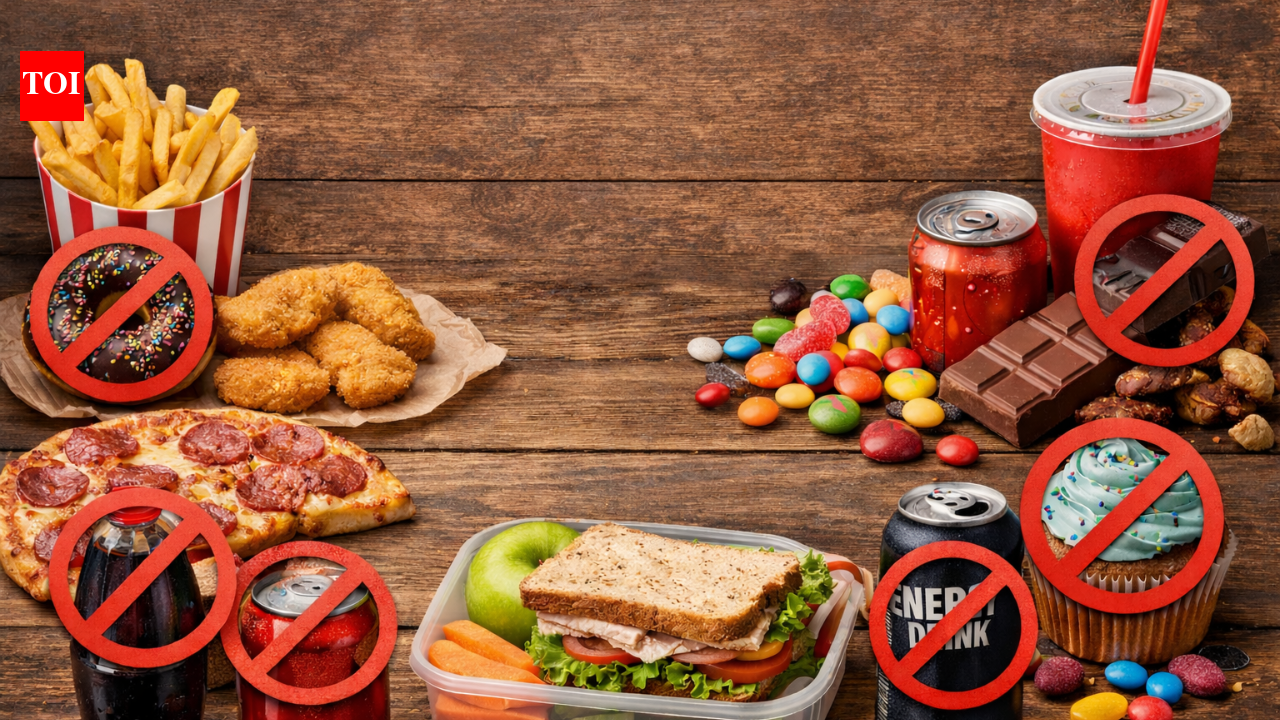
Lunch boxes across Abu Dhabi are now under closer scrutiny. Schools have begun conducting random checks to ensure children are not bringing in banned foods, following the release of a comprehensive Red List that prohibits a wide range of items on school premises.The policy, introduced by the Department of Education and Knowledge and supported by Abu Dhabi’s Quality and Conformity Council, applies to public and private schools as well as Early Education Institutions. It covers food provided by schools, brought from home, or shared during celebrations, and places responsibility on institutions to monitor compliance and involve parents.
Random checks and enforcement measures
Schools have been instructed to clearly define and communicate the list of prohibited food and drink items to staff and parents. Institutions must also establish monitoring systems to ensure compliance.An assigned staff member, such as a nurse or health and safety officer, must oversee regular checks to ensure prohibited items are neither served nor brought from home. Schools are required to document violations and outline corrective actions, particularly in cases of repeated non-compliance.Failure to comply with the policy may result in legal consequences and penalties under ADEK regulations, in addition to penalties under Federal Decree Law No. 31 of 2021 or any other applicable legislation. ADEK also retains the authority to intervene if an institution is found to be in breach of its responsibilities.Schools have been required to implement the policy since the autumn term of the 2025/26 academic year.
What is banned under the red list
The Red List groups prohibited items into several categories.
High fat and high sugar foods
Deep-fried foods such as fried chicken, chicken nuggets, falafels, samosas and fresh chips are banned due to high oil absorption and elevated saturated fat levels. Oven-baked, air-fried or roasted versions are permitted.Cakes, doughnuts, croissants, sweet pastries, marshmallows, lollipops, cotton candy, caramel, jelly and jellies, chewing gum, ice cream, slushies and processed frozen desserts are prohibited. Chocolates containing less than 50 per cent cocoa are not allowed, though dark chocolate is permitted.Fried or baked potato and corn-based snacks including puffed corn balls, potato chips and sticks are also banned. Authorities cite excessive sugar, saturated fats and empty calories as risks to dental health and contributors to obesity. Suggested alternatives include wholegrain muffins with minimal sugar, fruit-based desserts and dark chocolate.
Unhealthy beverages
All soft drinks, including regular, diet and zero-calorie artificially sweetened versions, are banned. Fruit juices made from syrups are also prohibited.Energy and sports drinks are not allowed, except isotonic sports drinks under specific conditions. Caffeinated beverages, including hot or iced tea and coffee, are also on the Red List due to potential effects on blood pressure, sleep and concentration.Water is the default beverage served at schools and events. Alternatives include electrolyte solutions recommended by health professionals, decaffeinated herbal teas and warm milk.
Processed and high-fat foods
Processed meats such as hotdogs, deli meats, sausages, smoked salmon and smoked turkey are prohibited due to high sodium, preservatives and saturated fat content.High-fat cuts of beef, lamb and camel are banned, along with all non-Halal meat options and pork-based products. Ultra-processed foods and items containing hydrogenated fats are also not permitted. Alternatives include lean poultry, grilled or baked meats, trimmed beef and plant-based proteins.
Additives and artificial ingredients
Foods containing synthetic colourings and flavours are banned. Specific additives listed include Sunset Yellow E110, Quinoline Yellow E104, Carmoisine E122, Allura Red E129, Tartrazine E102 and Ponceau 4R E124, as well as Red40, Yellow5, Yellow6 and Blue1.Foods containing artificial sweeteners, preservatives, colours or flavours manufactured from chemicals are not allowed. Monosodium glutamate and other flavour enhancers are banned due to potential allergic reactions and encouragement of high sodium intake.High-fructose corn syrup is also prohibited due to links with obesity and metabolic issues. Natural colourings from vegetable juices and fresh fruits, along with herbs, spices, onion, garlic and citrus for flavour, are recommended alternatives.
Dairy, soy and other restricted items
Flavoured or sweetened milk and yoghurt exceeding sugar or fat thresholds are banned. Soy milk and sauces containing soy or its derivatives are also prohibited.Cheese imitations such as cream cheese and processed sandwich slices are restricted due to trans fats, salt and additives. Alternatives include unflavoured milk, unsweetened yoghurt, natural cheese, low-fat mozzarella and reduced-fat cheddar. Other plant-based milks such as coconut or oat milk are suggested.Pickled vegetables are banned because of high salt and preservative levels. Sauces such as mayonnaise, chilli sauces, ketchup except low-salt and low-sugar options, and ready-made sauces including ranch, jalapeno and Italian varieties are prohibited.Allergens including nuts, soybean and sesame are restricted. Foods with added alcohol, unpasteurised food or drinks, honey for infants under 12 months, and items posing choking hazards are also banned.
Nutrition standards for young children
The policy outlines strict dietary requirements for Early Education Institutions.Babies under six months must not be given food or water unless recommended by a paediatrician. Older infants may begin solid food and water only when medically advised.Children aged two and above must follow recommended nutrition guidelines for healthy growth, with regular monitoring of height and weight.Staff must follow proper bottle-feeding procedures, support breastfeeding by providing suitable spaces and guidance, and supervise children closely during meals. Furniture and utensils must be age-appropriate to ensure safe and comfortable eating. Food must never be used as punishment or reward.
A broader health objective
The updated guidance aims to reduce health risks, support healthy development and ensure consistent standards across all meals consumed in schools. By formalising restrictions and strengthening enforcement, Abu Dhabi’s education authorities are seeking to build safer, healthier learning environments that promote long-term wellbeing from the earliest years.


