



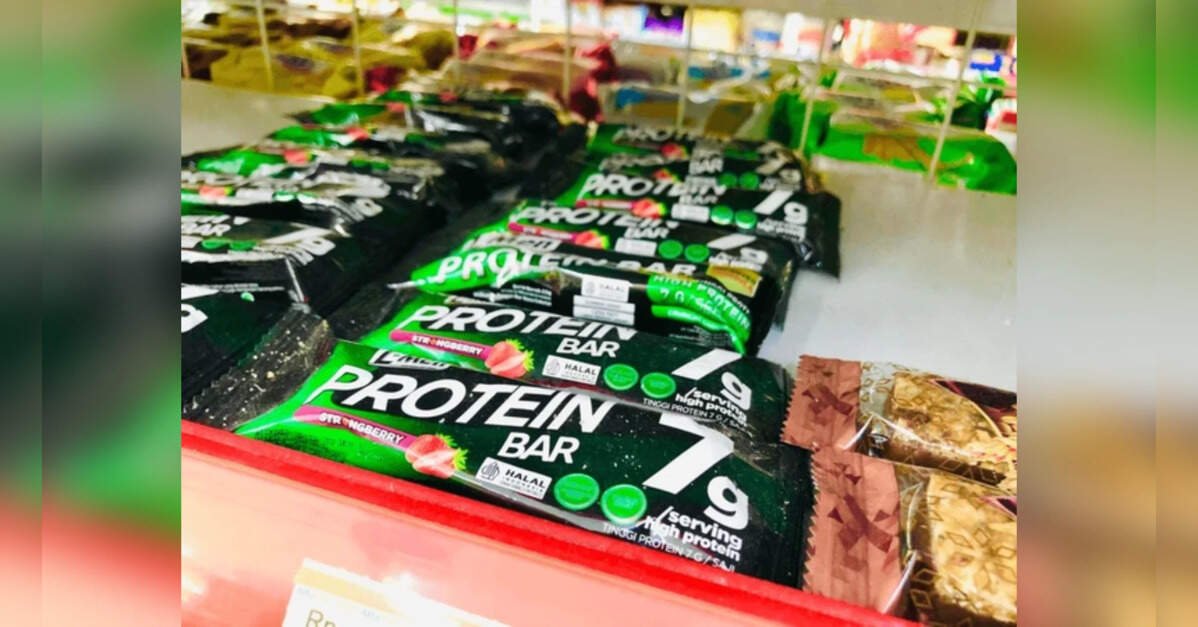
Protein in India used to have a bit of a reputation problem. For the longest time, it was treated like a situational nutrient, something you worried about only if you were lifting weights or trying to lose a few kilos. But that thinking seems to be shifting. Today, protein has quietly moved beyond the gym and into the everyday kitchen.
You can see it everywhere, from supermarket aisles to the staples people keep on their shelves at home. Established FMCG brands like ITC Ltd, Amul and Britannia Industries are all leaning into the protein wave, introducing products that make the nutrient part of everyday meals. Protein bars, protein atta, fortified snacks, what once felt niche now feels increasingly normal. The shift is also being driven by a broader understanding that protein isn’t just for a phase of life, it is relevant across all of them, from childhood growth to healthy ageing.
Dr Shantanu Das, Vice President and Head of Food Sciences at ITC Ltd, says the science behind protein’s importance has been clear for a long time. The challenge has always been translating that knowledge into daily eating habits.
“Protein is essential at every life stage. Despite growing awareness, approximately 70% of Indians lack adequate protein in their daily diets, and 50–80% of Indian women do not meet their daily protein needs. In childhood and adolescence, protein supports growth, bone and muscle development, and healthy hemoglobin levels. In adulthood, it aids maintenance, recovery, metabolism, and immunity, helping prevent lifestyle diseases. During pregnancy and lactation, needs rise by 10–20g daily to support fetal development and milk production. In midlife and aging, higher protein intake helps preserve muscle, bone strength, and mobility,” he says.
Data from the Ministry of Statistics and Programme Implementation (MoSPI) reflects this gap. Average daily per-capita protein intake in India has seen only a modest increase over the past decade.
Between 2011–12 and 2023–24, intake rose from 60.7 g to 61.8 g in rural areas, and from 60.3 g to 63.4 g in urban areas. It is progress, but only just. Several studies still suggest that close to 70% of Indians, somewhere between 73 and 80% of the population, do not meet recommended protein intake levels.
Part of the problem is perception. For many households, protein is still seen as an add-on rather than a central part of the plate. It becomes something you consciously try to include, instead of something that naturally appears in every meal. That gap between awareness and habit is where many food brands are now stepping in, trying to build protein into foods people already eat every day.
“At ITC, our nutrition strategy ‘Help India Eat Better’ is anchored in the belief that we should deliver nutrition what consumers require through foods that they desire. Hence the approach is to seamlessly integrate protein into everyday foods across multiple meal occasions and age groups, making nutrition accessible without demanding a change in eating practices. Products such as Aashirvaad Protein Atta have been consciously developed where three rotis fulfil 25% of daily protein requirements. Yoga Bar offers a range of protein-rich shakes and breakfast options. Likewise, there are offerings like Aashirvaad Soya Chunks and Moringa Atta which can be easily added to daily meals to fulfil protein needs. For consumers over 40, our Right Shift portfolio offers a wide range of solutions. They are science-led, protein-rich and high-fibre products tailored to support muscle health, metabolism, and sustained energy through mid-life. By diversifying protein sources, distributing intake throughout the day and being mindful of age-related needs, one can consume the right amount of protein to support overall well-being. We carefully introduce protein-rich ingredients into daily foods, keeping the taste and habits unchanged,” Dr Das adds.That approach reflects a larger shift in the market. Functional and protein-fortified foods are increasingly built around familiarity. Instead of asking people to change what they eat, companies are working to make the foods already on their plate slightly more nutritious. Atta, oats, snack bars and ready-to-drink beverages are slowly becoming vehicles for better nutrition, without demanding a dramatic change in food habits.
For a country that continues to face the twin challenges of undernutrition and lifestyle-related diseases, protein sits at an interesting crossroads. The next chapter of India’s protein story will likely be shaped less by fleeting food trends and more by everyday practicality, foods that are affordable, familiar and easy to integrate into daily meals. Because in many ways, protein isn’t just having a moment. It is simply finding its place on the plate, where it should have been all along.


