






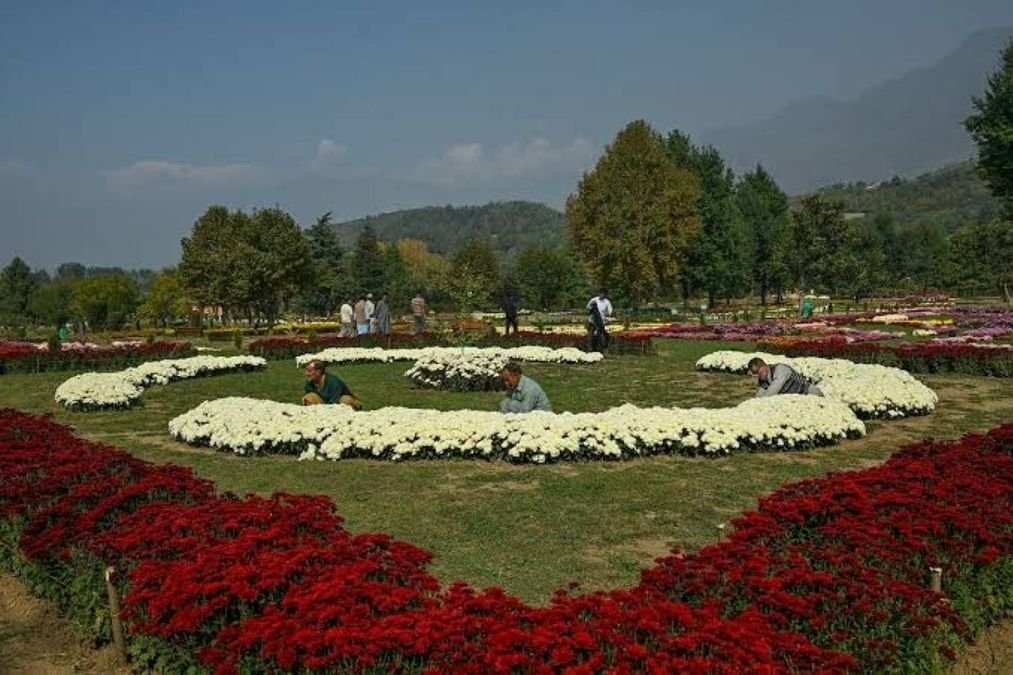
The Chrysanthemum Garden in Srinagar is a welcome addition to Kashmir’s tourism calendar. At a time when the rush associated with the spring tulip season begins to fade, the garden offers visitors another reason to experience the Valley. Its appeal, however, should not be measured only in photographs or visitor numbers. The real success of Bagh-e-Gul-e-Dawood will depend on whether it grows into a carefully planned public space that benefits local communities and strengthens Kashmir’s autumn economy. Chief Minister Omar Abdullah’s invitation to locals is particularly significant. Tourism cannot remain an activity designed exclusively for visitors from outside the region. The people of Srinagar and surrounding areas must feel that such gardens belong to them as much as they belong to the tourism department. Public gardens provide spaces for families, children, elderly people, students and photographers to reconnect with the city’s natural character. In a crowded and rapidly expanding urban landscape, they also offer much-needed relief from concrete, traffic and pollution. The garden has been conceived to address a genuine gap. Kashmir has successfully established the Tulip Garden as a symbol of spring, but the autumn months have not received comparable attention. A distinct floral attraction at the end of the tourist season can extend visitor stays, create opportunities for local vendors and guides, and support the wider hospitality sector. Such initiatives are important because tourism in Kashmir must increasingly move beyond a short seasonal rush towards a more balanced, year-round model. The emphasis on locally available plant material is equally encouraging. Unlike imported tulip bulbs, chrysanthemums can be propagated and multiplied locally. This reduces dependence on external supplies and creates scope for developing horticultural expertise within the region. If properly supported, the initiative can generate employment for nurseries, gardeners, florists, designers and small entrepreneurs. A tourism attraction becomes truly meaningful when its economic benefits travel beyond its gates. Yet inauguration ceremonies alone cannot sustain a garden. The authorities must ensure regular maintenance, adequate sanitation, safe access, parking arrangements, drinking water, waste management and clear visitor information. The garden should not be allowed to deteriorate after the initial excitement fades. Annual improvements must be visible not only in the number of flowers but also in accessibility, cleanliness, landscaping and visitor facilities. The government’s pledge to introduce something new every year should also be linked to a broader floral and cultural calendar. Autumn in Kashmir has its own colours, harvest traditions and landscapes. The Chrysanthemum Garden can become a platform for local crafts, horticulture exhibitions, cultural performances and seasonal markets, provided commercial activity does not overwhelm its character. Kashmir needs tourism projects that are beautiful, locally rooted and professionally managed. The Chrysanthemum Garden offers that possibility. But its lasting value will emerge only when a seasonal attraction becomes a public institution—open to locals, welcoming to tourists and sustained by accountable planning.


