





As India’s healthcare system grapples with a persistent doctor shortage, artificial intelligence is increasingly positioned as a tool to ease the burden on overworked physicians.
Nearly 70 per cent of healthcare professionals in the country said AI has increased their capacity to see more patients, as per the Future Health Index 2026 India report by Philips.
“Ours is a clinical AI platform focused on some of the specific realities of Indian healthcare, including its disease burden, multilingual patient interactions and use of local drug brands.”
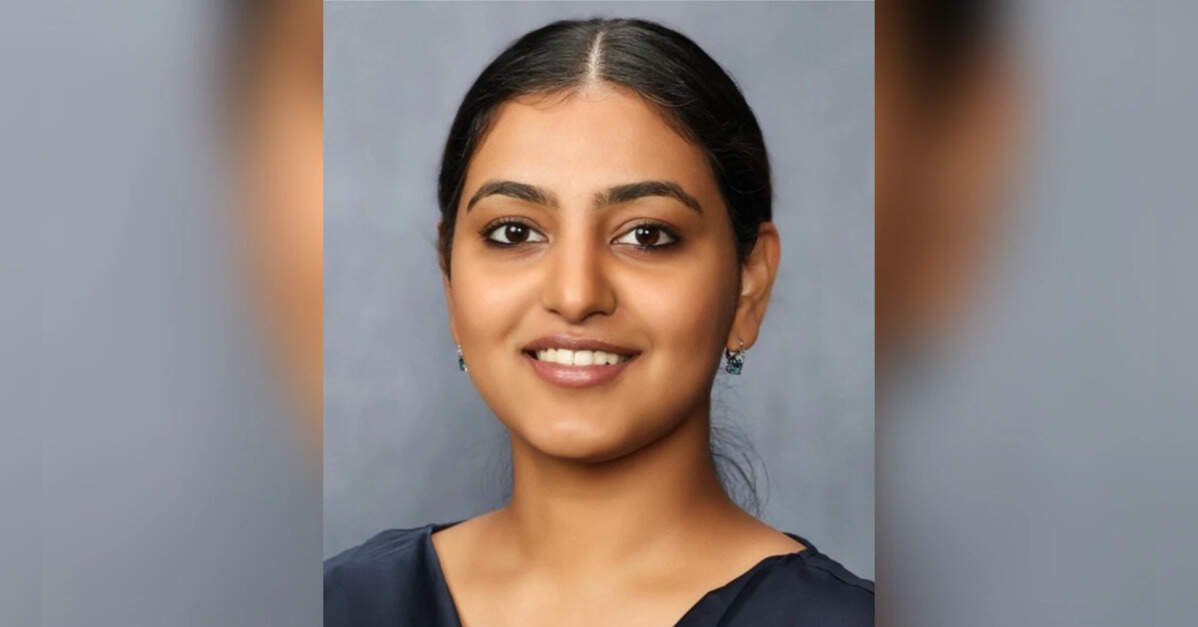
In an interaction with ETHealthworld, Rithika Reddy, Co-founder & CEO, and Pranav Reddy, Co-founder & CMO of ZenMD, talk about how the platform is built for India’s healthcare needs, the question of accountability, and what lies ahead for AI in healthcare.
Q1. India faces a persistent shortage of doctors, forcing physicians to see dozens of patients in a single OPD session. Can AI meaningfully improve clinical quality here, or is it simply helping doctors cope with an overburdened system?
Rithika Reddy: It can help with both, but we should be careful not to overstate what technology can do.
AI cannot create more hospital beds, train specialists, or solve staffing shortages. Those are much larger infrastructure and policy challenges.
Where it can make a practical difference is during the consultation itself. A doctor seeing 70 or 80 patients in one morning may also be reviewing old prescriptions, lab reports, handwritten notes, and medication histories.
When the relevant history is organised and presented clearly, and potential dosage issues are flagged, the doctor has fewer administrative distractions. The aim is to help doctors use their limited time and attention more effectively, rather than replace them.
Q2. ZenMD supports functions ranging from drug dosing to documentation. Which use cases have demonstrated real impact, and what evidence suggests it improves decision-making rather than merely saving time?
Rithika Reddy: Right now, the clearest and most immediate benefit is time saved. Doctors commonly use ZenMD to prepare OPD notes, dictate during consultations, translate regional medical documents, and check drug dosages.
The decision-support value becomes more visible when a patient returns after several months. A busy OPD doctor may have seen thousands of patients since that person’s last visit. It is difficult to remember every previous diagnosis, medicine, or lab result.
ZenMD helps bring that history back into the consultation. It can connect past reports, medications, and diagnoses so the physician has a more complete picture in front of them.
We are cautious about making broad claims around clinical outcomes, as they are influenced by many factors and require long-term study.
Q3. Given India’s distinct disease burden, including TB and antimicrobial resistance, and its multilingual patient interactions, have you built systems for Indian clinical realities rather than relying on imported global datasets?
Rithika Reddy: Yes. That was one of the main reasons we built ZenMD specifically for India instead of taking an international product and simply localizing the interface.
A model trained mainly on Western data may recognize a medicine such as Tylenol immediately, but Indian doctors and patients are often referring to brands such as Dolo 650. The system needs to understand both the local brand and the underlying molecule.
Language is another major factor. Many consultations move naturally between English and a regional language. Medical records may be handwritten, lab formats differ from one provider to another, and patient histories are often incomplete.
The system needs to account for the Indian clinical environment, where conditions like tuberculosis, dengue, and antimicrobial resistance are prevalent.
Q4. Hallucinations remain a major concern with generative AI. If a tool suggests an incorrect dose or overlooks a diagnosis, where should accountability lie, and what safeguards must exist?
Rithika Reddy: Healthcare AI should never encourage a doctor to accept an output without reviewing it. The clinician remains responsible for the final decision at the point of care, AI tools should be a support system.
Such systems also need a verification layer that checks outputs against established clinical parameters before they appear in the product. For institutional use, generated references can include citations so that doctors can review the source behind the information.
Technology safeguards are only one part of the answer. Hospitals and clinics also need clear internal protocols for how these systems should be used.
Q5. What is the main reason clinicians abandon healthcare AI tools, and what must developers get right to achieve sustained adoption?
Pranav Reddy: The biggest problem is usually the workflow, not the technology itself.
A doctor who is already stretched for time will not keep using a platform that requires several extra logins, more data entry, or a completely different way of working.
The value has to be obvious very quickly. Does it reduce documentation? Does it help the doctor find information faster? Does it allow them to finish their work earlier?
Healthcare products are often designed around how well they perform in a demonstration. They need to be designed around what a real clinic looks like after ten or twelve hours of work.
Q6. How important is structured clinical data to the future of AI in India, and are initiatives such as Ayushman Bharat Digital Mission (ABDM) building the right foundation?
Rithika Reddy: Structured data is fundamental. Without it, it becomes much harder for systems to exchange information, understand patient histories, or support consistent clinical workflows.
ABDM is helping establish important standards for interoperability, but adoption is naturally uneven. For example, a large hospital in a major city and a small regional clinic may be at very different stages of digitization.
So, platforms operating in this environment have to work with the healthcare system as it exists today. We need to process handwritten, scanned, incomplete, and semi-structured information while also helping clinicians create cleaner and more standardized records going forward.
Q7. Is there a risk that younger doctors may rely on AI for clinical reasoning, weakening independent diagnostic thinking?
Pranav Reddy: Yes, that risk exists, and it should be taken seriously.
However, students and junior doctors are already using online search engines and general-purpose AI tools to answer clinical questions. So, the more practical question may be how to make sure they use these tools responsibly.
A healthcare-specific platform should help someone check their reasoning, review relevant information, and identify what they may have missed. It should not become a substitute for understanding the fundamentals.
Medical education will also need to adapt. Doctors should be taught not only how to use AI, but how to question it, verify it, and recognize when the output may be incomplete or wrong.
Q8. What measurable indicators over the next five years should determine whether clinical AI has delivered real value?
Pranav Reddy: Time saved is a useful starting point, but it cannot be the only measure.
Hospitals should look at whether OPD teams can manage patient flow more effectively, discharge summaries are completed faster, coding and documentation become more accurate, and administrative pressure on clinicians decreases.
In terms of patient experience, some parameters to look at are reductions in prescription errors, faster diagnoses and referrals, clarity of instructions, and less time spent waiting or travelling unnecessarily.
Q9. Can technology bridge healthcare gaps in tier-2 and tier-3 India, or will physical infrastructure shortages remain the main barrier?
Pranav Reddy: Physical infrastructure will continue to be a problem. Software cannot bring in a missing specialist, create a hospital, or fix connections.
It can help doctors and health workers use the resources they already have more effectively.
For example, a general practitioner in a tier-3 area might be able to manage more cases locally if they have access to good medical information and help with decisions.
This can cut down on travel and costs for families. It is not a substitute for building infrastructure, but it can make healthcare easier to reach while that infrastructure is still being built.
Q10. ZenMD is currently free to use. What is your commercial strategy and path to monetization?
Pranav Reddy: We are keeping our platform free at this stage is a deliberate decision. Our immediate priority is to understand how clinicians use the product in their daily work and to make it genuinely useful enough that they return to it regularly.
Our commercial model is focused primarily on hospitals, clinic groups, and other institutional partners. These organizations may require system integrations, administrative controls, compliance features, customized deployments, and enterprise-level support.
At the same time, we want the core product to remain accessible to individual practitioners. The broader goal is to build widespread clinical utility first and develop the enterprise business around the additional capabilities institutions need.


