






PERSPECTIVE
The realization hit me the moment I reached school some days ago. My pocket felt weightless. In the morning rush, I had left my phone behind at home. For anyone in charge of an institution, this is not a small slip. It triggers raw, cold panic.
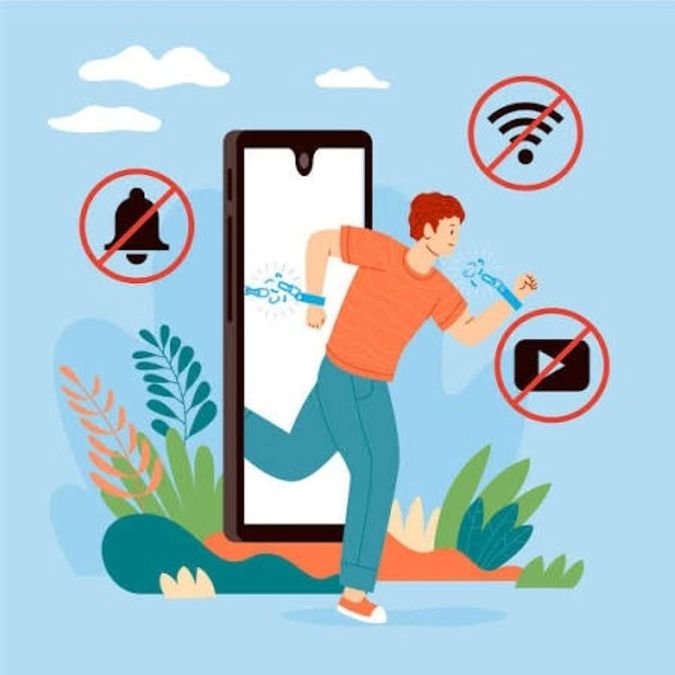
In public administration today, the smartphone is no longer a tool for leisure. It is a digital leash. Official WhatsApp groups never sleep. Circulars drop at all hours. Midday data demands arrive with strict deadlines. Directives marked for immediate compliance flood the screen throughout the working day. We live in constant administrative scrutiny. An unread notification feels like an invitation to a show-cause notice or a suspension in some extreme cases.
Yet, the problem runs deeper than official pressure. We have inflicted another wound upon ourselves. Over the years, checking the device has turned into an involuntary reflex. We unlock the glass every few minutes without reason. We scroll aimlessly through algorithmic feeds. We refresh inboxes that need no attention. The mind stays broken in two. One half sits in the physical room, while the other drifts inside a cloud of digital noise.
I had no choice that morning. I walked into the school without my digital armor. What followed was an absolute revelation.
At first, a quiet dread shadowed every step. I worried about missed deadlines. I braced for high-priority calls from senior officers or so. But then the morning assembly bell rang. The reality of the open ground took over. There were no beeps. There were no shrill ringtones. There were no flashing screens. Suddenly, the day settled into a calm, humane rhythm.
The first real difference showed in human contact. Colleagues walked into the office to discuss academic and non-academic matters. Our conversations were complete and unbroken. My eyes never dropped to check a face-down screen on the desk. My fingers never fidgeted across glass. We listened with genuine patience. It hit me with quiet force: true professional strength does not come from instant connectivity. It comes from presence, focus, and depth.
Out in the corridors and classrooms, I found the profession regained its soul. Teaching has always been a quiet, human art. It demands stillness to notice a struggling child. It requires mental clarity to unpack a difficult lesson. It needs silence to weigh pedagogical results. Over recent years, the craze for endless digital compliance has hollowed this work out. It has turned dedicated teachers into exhausted data clerks, which may be an unavoidable requirement. Without the constant hum of the screen, the school found its voice again. I heard the sharp tap of marker against whiteboards.
Even so, the old dread never vanished entirely. A cold whisper kept returning to my thoughts throughout the afternoon. What if an urgent departmental order had dropped? What if a missed instruction brought severe administrative wrath? What if an official explanation was demanded by sundown? In an environment where obedience is now measured in minutes everywhere.
The final verdict waited until evening. I stepped into my house and approached the forgotten phone with nervous hands. I turned on the screen, expecting the undesired things.
There was no departmental crisis. There was no scathing reprimand from officers. The sky had not fallen. Instead, the screen showed dozens of missed calls from close acquaintances and relatives. Accustomed to my constant digital presence, they had grown alarmed by my silence. Their affection was deeply moving. Yet it also revealed a tragic truth about our time: the moment a person slips offline for half a day, the world assumes they are in danger. The administrative emergency had lived only inside my conditioned fears.
Modern office culture, in general, has tagged the workplace with a dangerous myth. It treats round-the-clock availability as a mark of competence. It mistakes frantic speed for genuine importance. It confuses nervous panic with real leadership.
That silent school day proved the opposite. True competence, sometimes, demands the courage to step back from the deluge. Declaring a truce with the small but fast machine is not an act of negligence. Rather, it should be considered an act of preservation. It protects the quality of our work, on the contrary. It restores our human bonds. Above all, it gives the mind back its quiet sanity after a long time. Thanks to my negligence in forgetting my phone at home, at least for a day.
(The author is a regular columnist of RK and can be reached at [email protected])


