






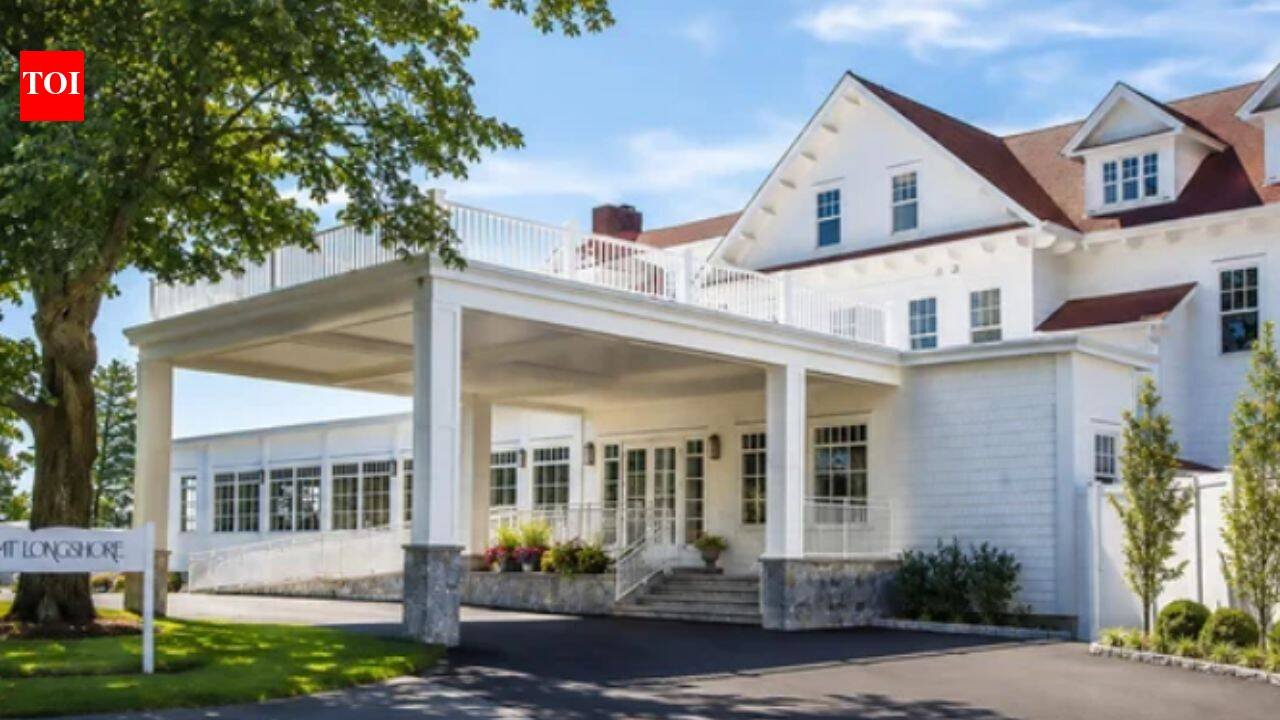
On the shores of Long Island Sound in Westport, Connecticut, a white clapboard inn has long stood as a quiet reminder of the state’s Jazz Age glamour. For more than four decades, the property operated without a major renovation, its historic rooms and public spaces showing the wear of time even as its reputation endured. Now, after an $8 million restoration, the inn has reopened with its guest rooms, suites and grand ballroom carefully returned to their former elegance while updated for modern comfort. As reported by CT Insider, the project aims to preserve the building’s place in local history while positioning it as a destination for weddings, events and getaways along one of New England’s most scenic coastlines.A waterfront retreat born in the Roaring TwentiesThe inn first opened in the 1920s, when the Connecticut shoreline was becoming a playground for wealthy New Yorkers seeking escape from the city. Trains brought guests from Grand Central to nearby stations, where cars or carriages completed the journey to waterfront hotels and clubs. The inn’s architecture and interiors reflected the optimism and style of the era, with spacious public rooms, wide porches and views across the sound that made it a natural setting for dances, parties and summer holidays.Over the decades, the property became known as the Longshore Club and later as the Westport Inn at Longshore. It hosted weddings, corporate gatherings and social events, and its ballroom saw generations of couples take their first dance under crystal chandeliers. For many in the community, the inn was more than a business. It was a landmark tied to family celebrations, local traditions and the broader story of coastal Connecticut in the 20th century.Decades of deferred investmentLike many older hospitality properties, the inn faced growing challenges in the late 20th and early 21st centuries. Maintenance costs rose, building systems aged and guest expectations evolved. The property had not been fully renovated in over 40 years. While improvements had been made here and there, the core infrastructure, guest rooms and event spaces were starting to feel long in the tooth compared to newer hotels and boutique inns in the region. Owners and operators knew without a significant investment, the inn risked losing its competitive edge. The historic charm that made it unique was still there, but it was increasingly overshadowed by worn finishes, outdated mechanical systems and layouts that no longer aligned with modern hospitality standards. The decision to undertake a major restoration was driven by a desire to protect the building’s legacy while ensuring its long-term viability as a working inn and event venue.An $8 million vision for restorationThe restoration plan centred on two goals. The first was to preserve and highlight the inn’s historic features, from architectural details in the ballroom to the character of the original guest rooms. The second was to bring the property up to date in terms of comfort, safety and technology, so that it could compete in today’s market without sacrificing its sense of place.Work included a full overhaul of the guest rooms and suites. Walls were repaired and repainted, flooring was refreshed or replaced, and bathrooms were reconfigured with new fixtures, tile and lighting. Furniture and soft furnishings were selected to echo the inn’s classic coastal style while offering contemporary comfort. Technology upgrades added modern amenities such as updated Wi Fi, smart televisions and improved climate control, addressing expectations of today’s travellers.Public spaces received similar attention. The grand ballroom, long the heart of the inn’s social life, was a particular focus. Chandeliers were cleaned and restored, decorative mouldings and plasterwork were repaired, and floors were refinished. Lighting and sound systems were upgraded to accommodate modern weddings and events while respecting the historic character of the room. Lounges, dining areas and corridors were refreshed to provide a cohesive flow from arrival to event space to guest room. Behind the scenes, critical infrastructure was replaced or upgraded. This included work on plumbing, electrical and HVAC systems, as well as improvements to accessibility and safety features. These elements are less visible to guests but necessary for the building’s long term health and compliance with current codes.Unveiling the Historic Rooms and BallroomThe most significant changes that took place when the inn reopened after its restoration were to the spaces that have always defined it. The guest rooms now feature a crisp, inviting esthetic that effortlessly combines classic New England inn style with modern elements. Neutral color schemes, natural textures and coastal accents contribute to a soothing ambiance, while upgraded bathrooms and bedding elevate the comfort level to that of contemporary boutique hotels. The ballroom has reasserted itself as a center point for celebrations. With restored details and improved technical capabilities, it can accommodate weddings, galas and corporate events that demand both elegance and functionality. For event planners and couples, the space offers a rare combination of historic charm and reliable infrastructure, something that older venues often struggle to provide after years of use without major investment.Public areas such as the lobby, lounges and dining spaces have been reimagined as places to gather before and after events, or simply to enjoy the waterfront setting. Large windows and outdoor access emphasise the inn’s greatest natural asset, its location on the sound, where guests can watch boats glide by and sunsets paint the water.Balancing history with modern hospitalityOne of the central challenges of the project was deciding what to preserve, what to restore and what to update. The goal was not to freeze the inn in time, but to honor its history while making it functional for 21st century guests and event hosts. That meant keeping key architectural features and the overall spirit of the place, while rethinking layouts, finishes and systems to meet current expectations.For the owners and operators, the restoration is also a statement about the future. By investing significantly in a property that had gone decades without a major overhaul, they are betting that there is enduring demand for historic, waterfront venues that offer both character and comfort. The inn’s link to the Jazz Age and its role in local social life are part of its story, but its long term success will depend on how well it serves today’s travellers, couples and organisations.A renewed landmark on the Connecticut coastFor the Westport community and the wider region, the inn’s reopening marks the return of a familiar landmark. Generations of residents have marked milestones within its walls, from engagement parties and wedding receptions to business dinners and holiday gatherings. The restoration ensures that the building can continue to play that role without being held back by aging infrastructure or dated interiors.The inn is an example of how historic hospitality properties can be reborn as events return to the ballroom and guests to newly refreshed rooms. The $8 million investment does more than refresh a building. It reinforces the value of places that tie a community to its past while remaining active, relevant and economically viable in the present.


