



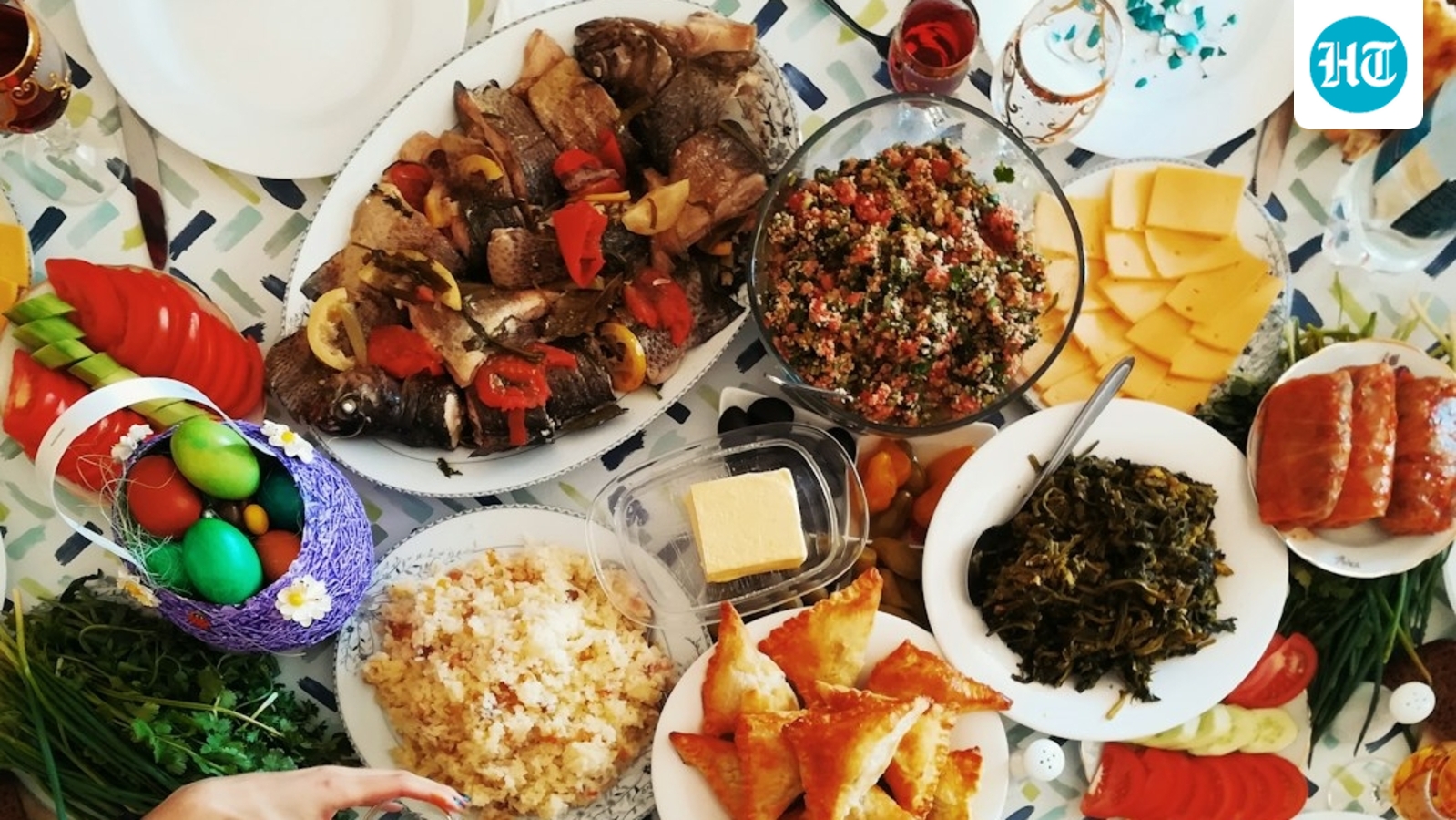
The lights are brighter, the nights are longer, the tables are fuller and suddenly, all those healthy habits seem to have taken a back seat. Festivals arrive with an irresistible combination of family gatherings, late-night celebrations, laughter, travel, and an endless parade of delicious food. For a few weeks, it can feel as though every celebration comes with another feast. There is nothing wrong with enjoying festive food. After all, food is an integral part of our celebrations and brings people together. In an interview with HT Lifestyle, Manisha Chopra, a health and fitness coach, shared how you can manage your festive eating.
Also read | Are you eating cucumbers wrong? Dietician shares the one common mistake many make: ‘When you peel it…’
According to Manisha, the problem begins when occasional indulgence turns into continuous overeating, disrupted sleep, inactivity, and skipped meals. The result can be bloating, acidity, digestive discomfort, sluggishness, unwanted weight gain, and a general feeling of being off track.
Even the most health-conscious people can find it difficult to resist festive temptations. But enjoying the season does not mean abandoning your healthy habits. The key is not restriction; it is balance.
Enjoy, but practise portion control
Festive delicacies are meant to be enjoyed, so there is no need to completely eliminate your favourite sweets or savoury treats. Instead, be conscious of how much you eat.
“At a feast, begin with salads, vegetables, or other lighter options before moving on to richer dishes,” Manisha recommended. Take smaller portions of foods that are particularly high in sugar, fat, or calories. Eat slowly and savour the flavours rather than rushing through the meal. Giving your body time to register fullness can help prevent overeating. A festive meal should leave you satisfied, not uncomfortably stuffed.
Never skip meals to compensate
One of the most common mistakes during the festive season is skipping meals to save calories for a late-night celebration. This strategy can easily backfire. According to Manisha, going for long periods without food can leave you excessively hungry, increase cravings, and make it much harder to control portions when you finally sit down to eat. Instead, maintain reasonably regular meals and choose lighter, nourishing options earlier in the day if you know a heavy dinner is planned. You do not need an intense one-hour workout every day to remain active during the festive season.
Consistency beats perfection
Manisha advises taking short movement breaks, walking after meals, using the stairs instead of the lift when possible, and incorporating simple physical activity into your daily routine. Aim for around 30 minutes of walking or moderate activity each day, depending on your fitness level.
Note to readers: This article is for informational purposes only and not a substitute for professional medical advice. Always seek the advice of your doctor with any questions about a medical condition.
