



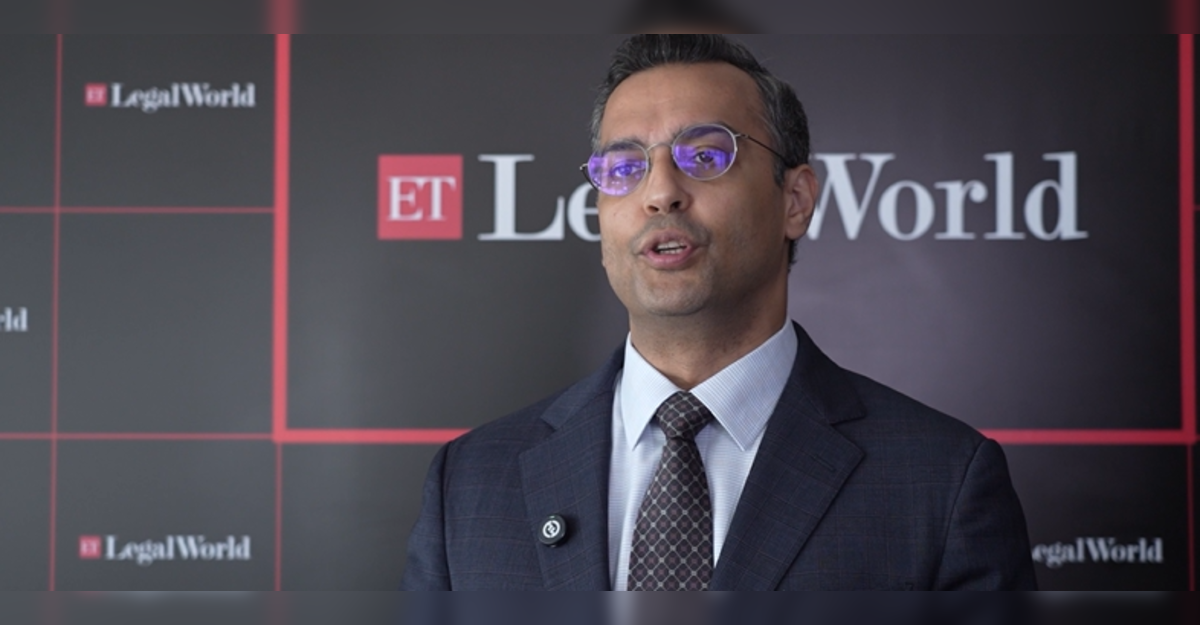
Strengthening the efficiency of India’s justice delivery system is critical to improving investor confidence and ensuring expeditious resolution of commercial disputes, Shri Venkatesh, Founding Partner, SKV Law Offices, said on the sidelines of the 5th Edition of the Commercial Dispute Conclave 2026 on September 11.
Venkatesh said discussions at the conclave highlighted the need for policymakers to strengthen the judiciary and ensure greater confidence among investors and businesses in the dispute-resolution process.
“The theme of the discussion was that perhaps the government and the policymakers have to look at strengthening the hands of judiciary to ensure that an investor has confidence of an expeditious decision while a dispute may arise in India,” he said.
While participants remained positive about the Indian judicial system, Venkatesh said they also flagged systemic challenges involving arbitration and court proceedings.
He pointed to the 2024 government notification concerning arbitration and said there were concerns around the ability of government-owned public sector undertakings (PSUs) to settle disputes with private entities.
“These are basically systemic challenges because the government is the biggest litigant in our country. Almost 50% of litigation is government-driven,” he said.
At the same time, Venkatesh said private parties were increasingly opting for mediation and settlement, recognising that prolonged court proceedings can increase both the duration of disputes and the interest burden.
“Purely on a private dispute, I think parties are settling matters through mediation or conciliation,” he said.
On the government side, he cited the Vivad Se Vishwas scheme as an example of an initiative aimed at expediting dispute resolution, particularly in the highway sector, where there is an option to settle for a portion of the arbitration award value.
“These are isolated schemes that have come out which do indicate towards an expeditious resolution of disputes,” Venkatesh said.
However, he identified delays in adjudication as a continuing concern for India’s commercial justice system. If parties move away from arbitration and disputes increasingly reach commercial courts, the process could become significantly longer, he said.
“If you are not going to arbitrate and the matters are going to go to commercial courts, then the process is far too long,” Venkatesh said, adding that corrective measures would be required to address delays in justice delivery.
