



Pakistan’s rivalry with India has rarely required additional context to acquire significance, but the balance between the two sides in white-ball cricket has increasingly become difficult to ignore. India have established a sustained advantage in recent meetings, while Pakistan continue to search for the consistency required to turn occasional resistance into something more enduring.
That gap will form part of the backdrop to the 2026 Asian Games in Japan, where another India-Pakistan encounter remains possible but far from guaranteed. The two teams can only meet in the final, meaning both must first negotiate their respective routes through the competition before the rivalry can once again become the centre of attention.
Pakistan head coach Mike Hesson, however, is under no illusions about the standard his side is pursuing. Speaking to reporters in Karachi during Pakistan’s pre-departure camp, Hesson described India as the present reference point in white-ball cricket and acknowledged that Pakistan’s challenge was to close the distance.
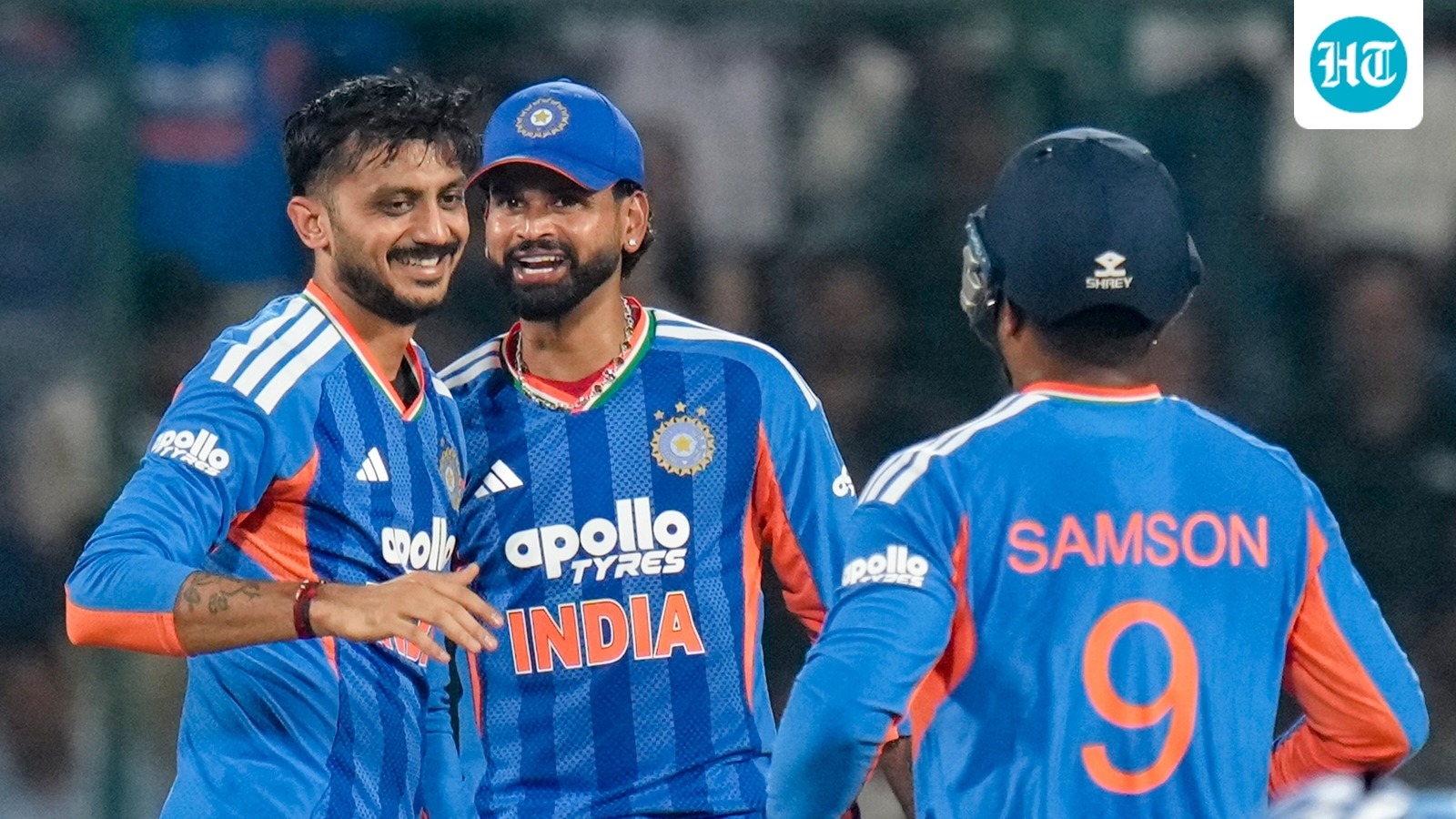
“India are the benchmark in terms of white-ball cricket at the moment, and our challenge is to catch up to that,” Hesson said during the media interaction. The acknowledgement carries added weight given Pakistan’s recent record against their neighbours. India have won the last six T20I meetings between the sides, including three victories during the 2025 Asia Cup. Even when Pakistan managed to drag the final into a more competitive contest, the broader pattern remained unchanged: India have repeatedly found ways to control the decisive phases.
Hesson backs Pakistan’s Asian Games group
Pakistan will not travel to Japan with their strongest available squad either. Several established names, including Babar Azam, Shaheen Shah Afridi and Mohammad Rizwan, are absent, with Sahibzada Farhan entrusted with the captaincy of a group containing a number of players still attempting to establish themselves at the highest level.
Hesson nevertheless rejected the suggestion that Pakistan were taking an underpowered side into the competition. “Despite the absence of Babar Azam, Shaheen Shah Afridi and Mohammad Rizwan, this is a balanced and aggressive team,” he said.
For Hesson, the Asian Games also represent something beyond the immediate pursuit of a medal. Pakistan’s squad construction has created room for emerging players to experience a high-pressure multi-sport environment, while Farhan has been handed an opportunity to develop as a leader. “The Asian Games provide an excellent platform for new and talented players to showcase their abilities,” Hesson said. “For Sahibzada Farhan, the Asian Games are an excellent opportunity to gain captaincy experience.”
Hesson also pushed back against the expectation that Pakistan’s improvement should immediately be measured only through trophies. He pointed to the position the team occupied when he took charge and argued that rebuilding competitiveness required a process rather than an instant transformation. “When I came in, we were number eight in the world in T20 cricket. We’re now number five in the world, and we’ve gone up 30 points over 15 months,” Hesson said. “We need to obviously have our expectations for Pakistan very high. But we also can’t go from not even making the top eight to expecting to win every game. There is a bit of a process that we need to take to do that.”
For Pakistan, therefore, the Asian Games offer two parallel tests: how much progress a reshaped squad can demonstrate on its own terms, and, should the tournament eventually bring India across their path, how much closer they have come to the benchmark Hesson himself has identified.
