



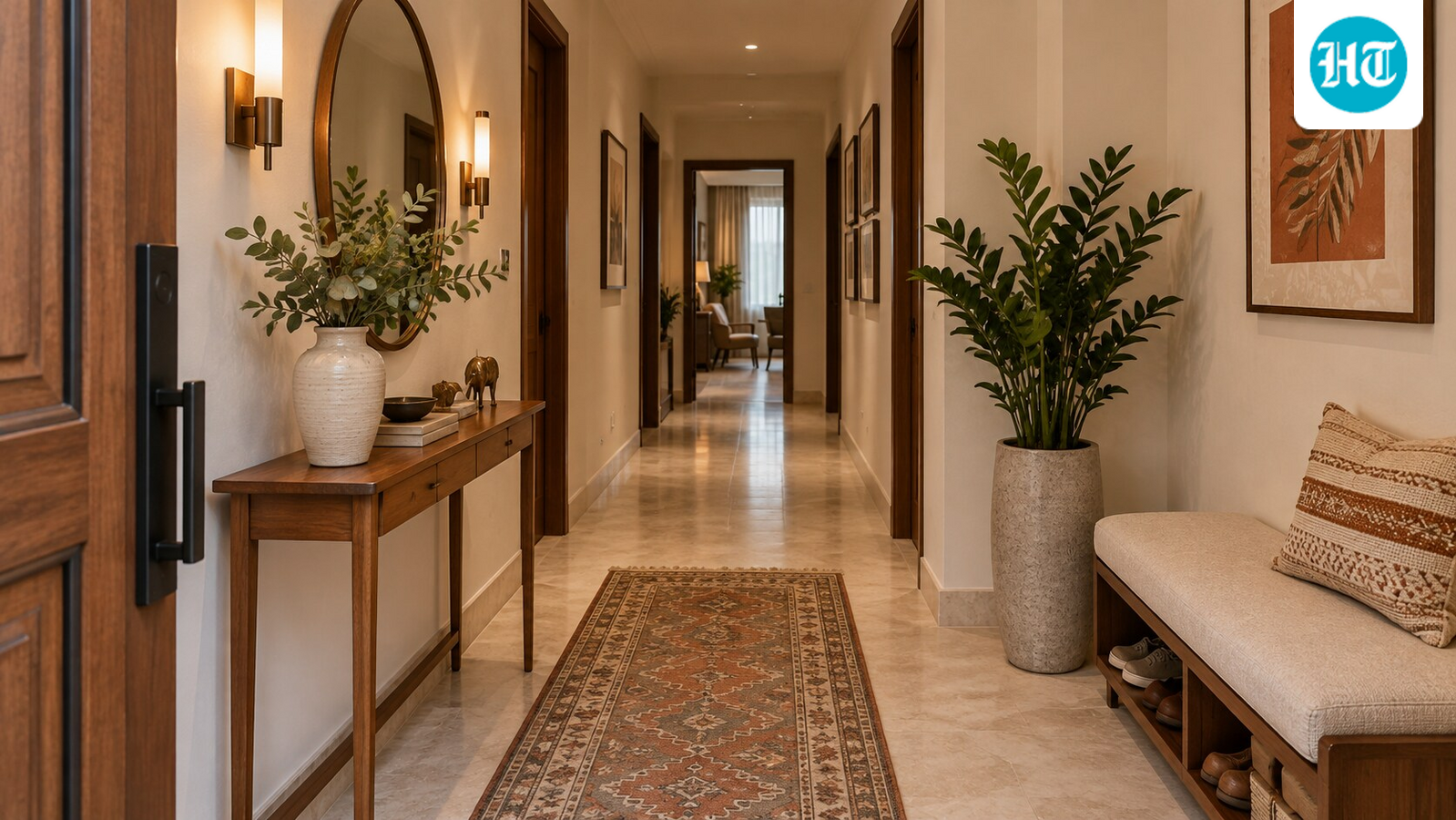
A sense of equilibrium is important, as balance finds its place everywhere, from eating in moderation to thinking mindfully. The same sense of harmony can be applied to your interiors by maintaining the right balance between maximalist and minimalist elements. You do not have to pick a side in this battle of decor styles; you simply need to master the art of balance. By combining statement pieces with minimalist decor, you can create a space that feels expressive without being overwhelming.
ALSO READ: Planning to revamp your living room? 5 decor trends to follow and outdated styles to avoid
So, how can you balance minimalist and maximalist styles? Priyanka Sinha, founder and managing director of The Opulence, shared the answer with HT Lifestyle.
She said, “Lavish interiors are usually linked to expensive furniture, extravagant decoration, and attention-grabbing components. However, luxurious interiors do not necessitate an abundance of furniture. The key challenge nowadays is to achieve the perfect balance between stylish design and minimalist appearance that is appealing, comfortable, and individual.”
She also described a shift in homeowners’ attitudes towards luxury. Today, opulence is no longer defined solely by grand furniture or an abundance of decorative elements.
“At the same time, homeowners have become more and more realistic about luxury today. They want their houses to be comfortable, stylish, and not overloaded. Therefore, one of the most important issues here is the necessity to find a balance between the elements of decoration and minimalist style,” she said.
So, luxury is no longer about filling every corner, but rather about selecting intentional pieces that add a sense of meaning and calm.
Here are some of her tips on how to balance minimalist and maximalist decor:
1. Choose one or two statement pieces
- A statement piece immediately catches the attention of whoever enters the place and becomes the focal point of a room.
- It could be designer furniture, an interesting lamp, a big painting, an unusual table, or a spectacular wall.
- Avoid placing too many statement pieces in one room can be overwhelming.
- Choose up to two statement elements that are dominant in the space.
2. Let every element have room to stand out
- Minimalist decor focuses on keeping the space simple, functional, and uncluttered.
- Using fewer objects allows each item to have its own distinct presence.
- Clean lines, soft colours, simple furniture, and limited accessories can create a calm and elegant atmosphere.
- An uncluttered design also allows the architecture and natural light to become part of the overall aesthetic.
3. Introduce a bold element into a simple room
- A minimalist living room with neutral furniture can be elevated with an unusual artwork or a luxurious centre table.
- In a simple bedroom, an unusual lamp or headboard can create an interesting atmosphere without spoiling the overall impression the room delivers.
- The contrast between understated and dramatic elements can make a space more visually interesting.
4. Use colour strategically
- If the walls and furniture feature soft or neutral hues, introduce one brightly coloured piece as an accent.
- In an interior already filled with vibrant colours, patterns and shapes, keep the remaining decor subtle.
- Prevents the room from looking cluttered or visually exhausting.
5. Create depth through materials and textures
- Mixing materials can make a room appear layered without relying on excessive decoration.
- Pair wood with stone, glass with metal, or smooth surfaces with soft textiles.
- For example, a textured wall can be complemented by a wooden console and sculptural lamp.
6. Consider the size of the room
- A lot of big pieces can add charm to a big living room, but may create a cramped atmosphere in a smaller one.
- Homeowners may consider small statement elements such as an artsy mirror, a nice chair, or a found piece of art instead of the bigger ones.
7. Do not compromise on functionality
- An attractive room should also be comfortable and practical to use.
- A good-looking room should not be uncomfortable when being used. It is not only about the aspect of the interior but also about how functional it is.
- Furniture and decor should support the residents’ daily routines and lifestyle.
In the end, she emphasised that there are no hard-and-fast rules for creating the perfect interior. Instead, successful interior design is about choosing every item thoughtfully and giving it meaning. The expert added, “Even if you find the perfect balance of what is expressive and what is neutral, you can make your house a stylish and cosy place.”
