



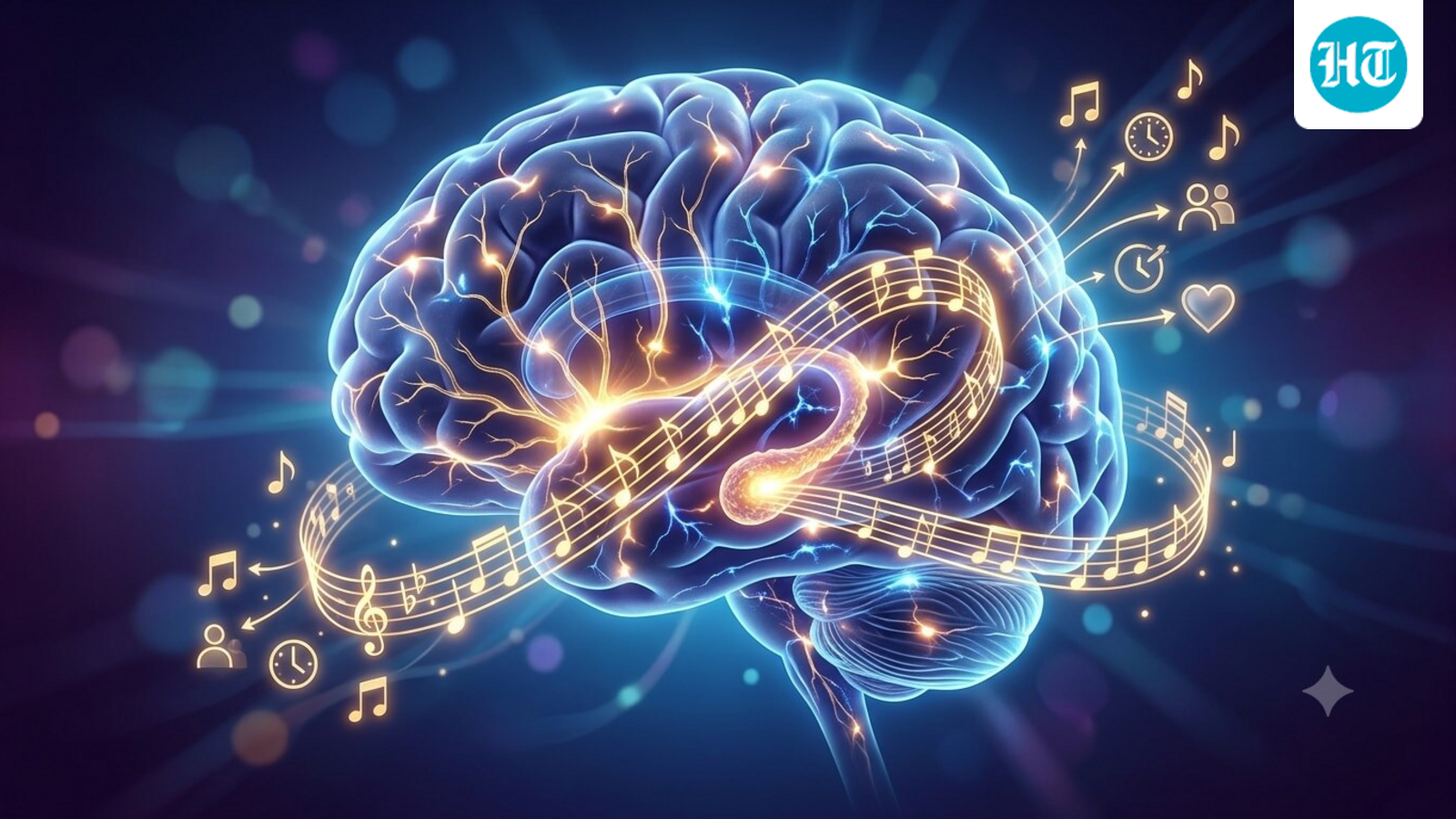
You hear your favourite song, a nostalgic melody, a powerful chorus, or an artist belting out the high notes, and suddenly, a chill runs down your spine, and goosebumps appear on your skin. The moment feels surreal and magical as a wave of raw emotion washes over you. But why does your body physically react to something you hear?
In today’s edition of Everyday Explained, we explore how musical chills work and why certain songs and music trigger them. There is a scientific explanation, and even a name, for this phenomenon.
ALSO READ: Everyday explained: Why do ceiling fans usually have three blades? Here’s the science behind it
What is this phenomenon called?
The phenomenon of getting goosebumps from music is called frisson. According to a 2016 study, about 50 per cent of people experience sensations such as shivers, a lump in the throat, and goosebumps while listening to music. Moreover, the same piece of music can affect people differently.
Why do you get goosebumps?
Now, if you are familiar with that song, perhaps because it reminds you of someone or evokes a particular memory, the goosebumps may seem understandable. But what happens when you are listening to it for the first time?
Radbound University decoded how the brain functions in such moments. The brain constantly tries to predict how a song will progress. When the music suddenly defies these expectations through an unexpected harmony, a key change, a soaring vocal, a new instrument, or a crescendo, the brain may briefly interpret the surprise as a possible threat. This activates the nervous system’s fight-or-flight response, which can cause goosebumps.
However, once the brain realises there is no actual danger, the tension gives way to relief, and the reward system is activated, releasing dopamine. Therefore, even unfamiliar music can create a combination of surprise, tension and pleasure, causing musical chills.
