



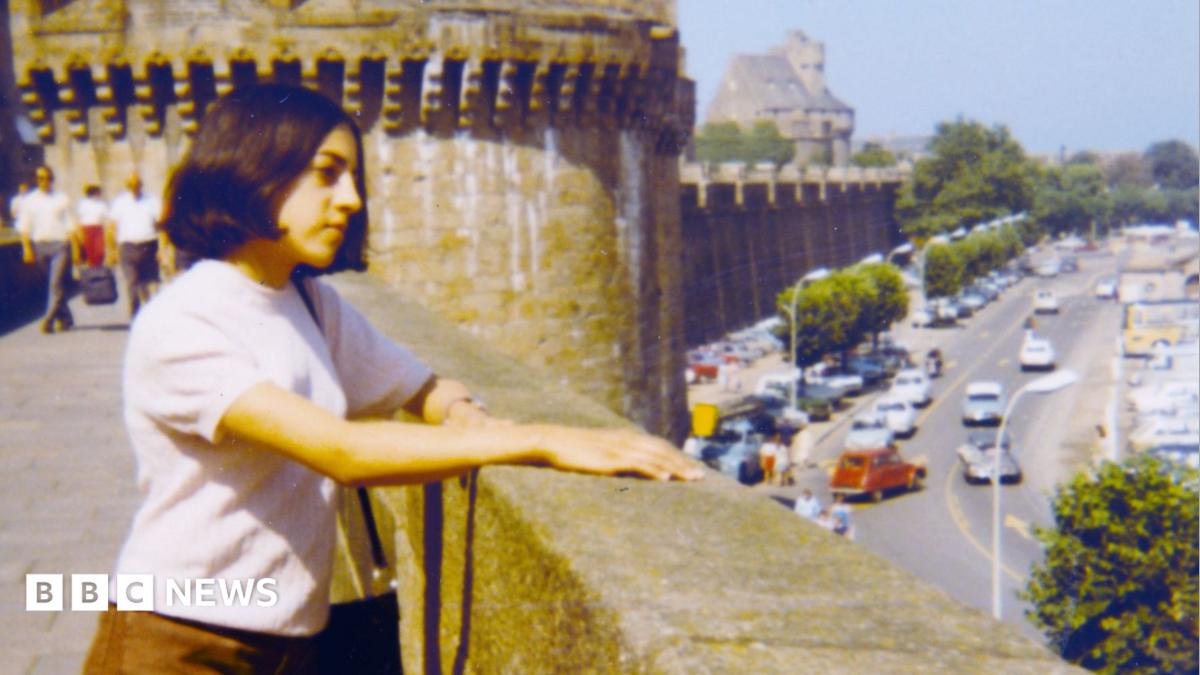
A woman whose baby was taken from her in a forced adoption aged 16 has said important questions about the UK’s mother-and-baby homes remain unanswered, including how many children were buried in unmarked graves.
Diana Defries, who successfully campaigned for a state apology for forced adoptions, said greater access to records could help families understand what happened in the homes.
And historian Dr Michael Lambert, from Lancaster University, argued that archives held privately by religious congregations could help “unlock” important pieces of history.
Defries, originally from London, was sent by her family to Nazareth House in Southampton in 1974 after becoming pregnant.
“I remember the feeling of walking into somewhere that would change me,” she said.
The home, run by the Catholic Sisters of Nazareth, received funding from Southampton social services, as well as fees paid by the families of women who stayed there.
The mother-and-baby wing opened in 1960 and by the time it closed in 1985, local media reported it had housed 1,552 women and girls.
Unmarked graves of children who died in Nazareth Houses, which were then mostly a network of residential care facilities and orphanages run by the Sisters of Nazareth, and in similar institutions operated by other religious orders, have been found in the UK.
Sister Anna Maria Doolan, safeguarding lead for the Sisters of Nazareth, said the order welcomed and supported the government’s apology for forced adoptions.
