



New Delhi: The government is considering a proposed IISER Council and changes to doctoral education, including rationalisation of PhD fees, as part of efforts to strengthen research and innovation across the Indian Institutes of Science Education and Research (IISERs).
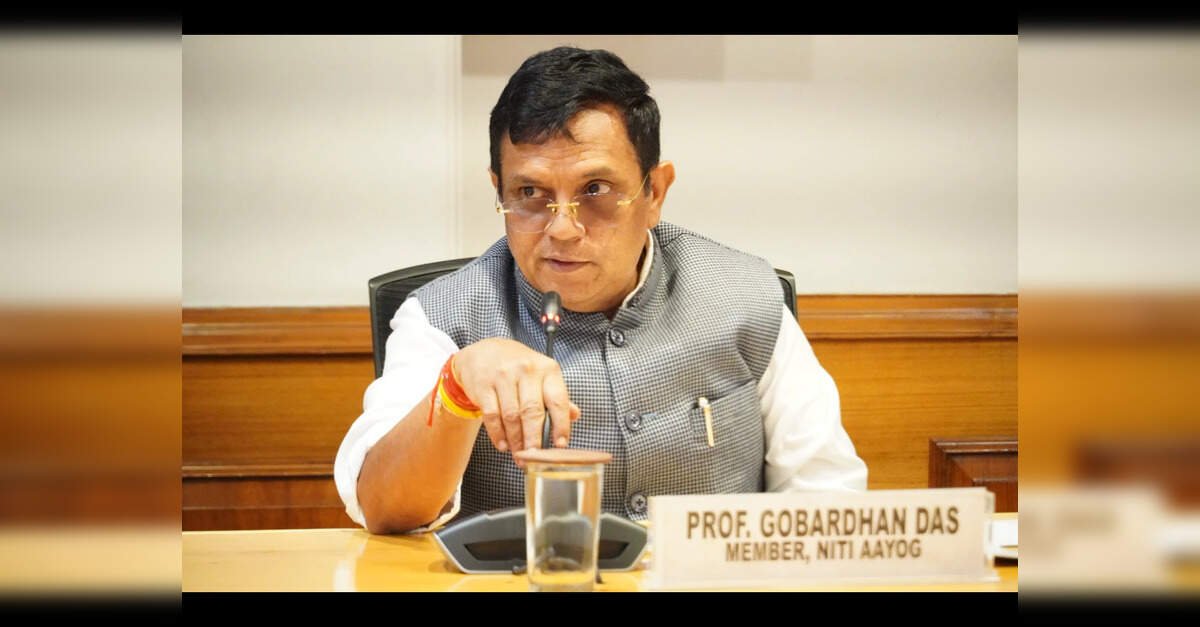
The issues were discussed at a brainstorming session hosted by NITI Aayog with directors of IISERs on ‘Catalysing R&D in IISERs in India’, chaired by NITI Aayog Member Prof Gobardhan Das. The Secretary, Higher Education, also participated in the discussions.
According to NITI Aayog, the meeting reviewed the research and innovation landscape of the IISER system, drawing on findings from Clarivate Analytics as well as institutional perspectives on emerging opportunities and challenges.
Among the key issues discussed was the proposed IISER Council, which could provide a more coordinated institutional framework for the seven IISERs. The discussions also focused on strengthening faculty and research capacity and rationalising PhD fees to make doctoral education more attractive and comparable with leading premier institutions, NITI Aayog said.
The move comes amid a broader government push to improve the research environment in higher education institutions, including reducing administrative barriers, strengthening research infrastructure and improving India’s ability to attract and retain research talent.
NITI Aayog’s May 2026 report, Ease of Doing Research & Development in India, identified delays in research funding, administrative processes and challenges in attracting and retaining quality human resources among issues affecting India’s R&D ecosystem. Its recommendations include faster processing of R&D proposals, dedicated project-management units within funding agencies and an expansion of postdoctoral fellowships.
IISERs pushed towards stronger research and innovation
The NITI Aayog-IISER discussions also placed emphasis on moving beyond research output towards translation of scientific discoveries into technologies and solutions with real-world applications.
The meeting called for an enabling environment to attract and retain high-quality faculty, researchers and doctoral students, while highlighting the need to strengthen translational research.
This fits into NITI Aayog’s wider research-policy agenda. Its Science and Technology Division has identified university-industry-academia collaboration and strengthening institutional research ecosystems among its areas of intervention.
A 2024 NITI Aayog report on research and development in state universities and institutes had similarly highlighted the need for stronger research infrastructure, dedicated R&D structures, industry partnerships, technology-transfer support and measures to attract and retain research talent.
What could change for IISERs?
The discussions point to three possible areas of change for the IISER system.
First, governance. The proposed IISER Council could bring greater coordination across the institutes, although details of its proposed structure, powers and timeline have not been announced.
Second, doctoral education. Rationalisation of PhD fees could reduce the financial barrier for doctoral candidates and make IISERs more competitive in attracting research talent. The government has not yet announced the extent of any fee revision or whether a common fee structure will be introduced.
Third, research capacity and translation. The emphasis on faculty recruitment and retention, doctoral talent and translational research suggests a stronger focus on converting research outcomes into technologies, products and other applications, alongside basic science.
The government has not yet announced specific implementation timelines for the proposed IISER Council or changes to PhD fees.
The latest discussions therefore mark a policy direction rather than an announced restructuring of the IISER system. Further decisions would be required before the proposed council, fee changes or other institutional reforms take effect.
