


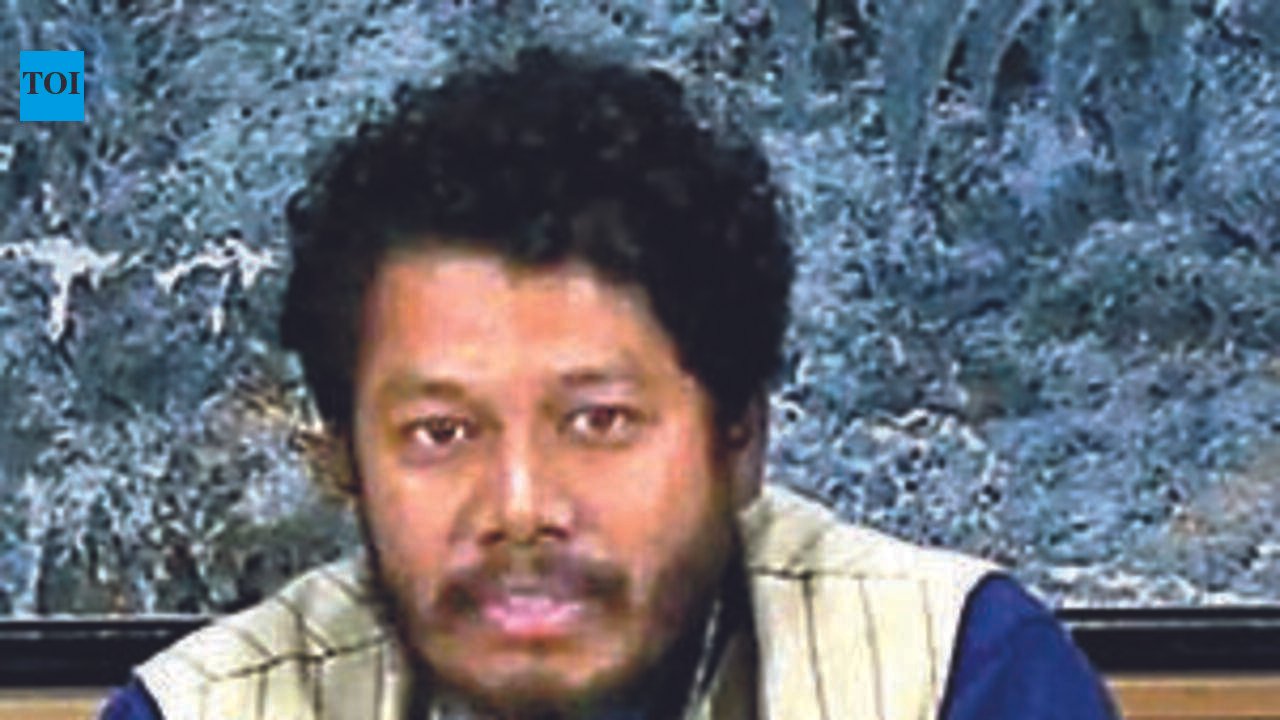
International NGOs and a national coalition of tribal communities in India are calling for the release of indigenous activist Pranab Doley, who remains incarcerated in Golaghat jail after taking part in a protest against a luxury hotel being built on tea tribe-owned land that borders Kaziranga National Park.Doley, who belongs to the Mising tribe and holds a master’s from the Tata Institute of Social Sciences, was, with others, protesting the acquisition of agricultural and grazing land at Inlay Pathar and Hatikhuli for a proposed five-star hotel project linked to the Hyatt group of hotels and Juniper Hotels, as well as for an Adivasi cultural heritage museum.Doley, convener of the Greater Kaziranga Land and Human Rights Protection Committee (GKLHPRC), who stood as an independent candidate from Bokakhat, where he lives, in the Assam Assembly elections 2026, has been consistently voicing his opposition to the hotel, saying it will displace over 45 Adivasi families, who rely on the land for their livelihood, and will affect the livelihoods of hundreds more and disturb wildlife corridors.The GKLHPRC alleges that the state govt reclassified the land without holding any consultation with the tea tribe owners, fenced it off and began construction.Doley and 12 other activists were arrested after a protest held on June 28 at Rongajan field, Hatikhuli, Kohara. An FIR alleges that the group, armed with machetes and sticks, criminally trespassed on the premises of the Hyatt project and tribal museum site, threatened construction workers, assaulted police and tried to set fire to a cement mixer.The FIR alleges that Doley threatened to mobilise tea garden workers from across Assam. Doley’s counsel denied these claims at the bail hearing in Golaghat, saying, “The gathering was a peaceful meeting of local tea garden and indigenous communities protesting land displacement.”In a bail order dated July 29, they were all granted bail, with additional sessions judge Golaghat NM Abdullah Ahmed saying: “The present dispute arises from a deep-rooted anxiety regarding environmental degradation and its impact on the socio-cultural fabric of the local tea tribes. In matters where ecological preservation intersects with Indigenous survival, the standard apparatus of criminal law cannot be used to suppress local anxieties.”But then, on July 30, Doley, accused of being the mastermind of the protest, had fresh charges slapped on him under section 3(2) of the NSA, 1980.CNAPA, a national coalition of indigenous people and forest-dwelling communities, has condemned Doley’s detention and the “continued targeting of Adivasi community leaders and political activists.”London-headquartered tribal rights charity Survival International’s director Caroline Pearce said: “Doley has done nothing wrong and should be released immediately.”Twenty Adivasi families petitioned the Guwahati High Court over the matter on June 1, and the court ordered a survey of the land on the day of the protest.The University of Arizona’s indigenous rights and protected areas initiative warned that the arrest of Doley, the community’s most prominent spokesperson, could have a chilling effect on these claims.UN experts and special rapporteurs are also calling for Doley’s release.
