


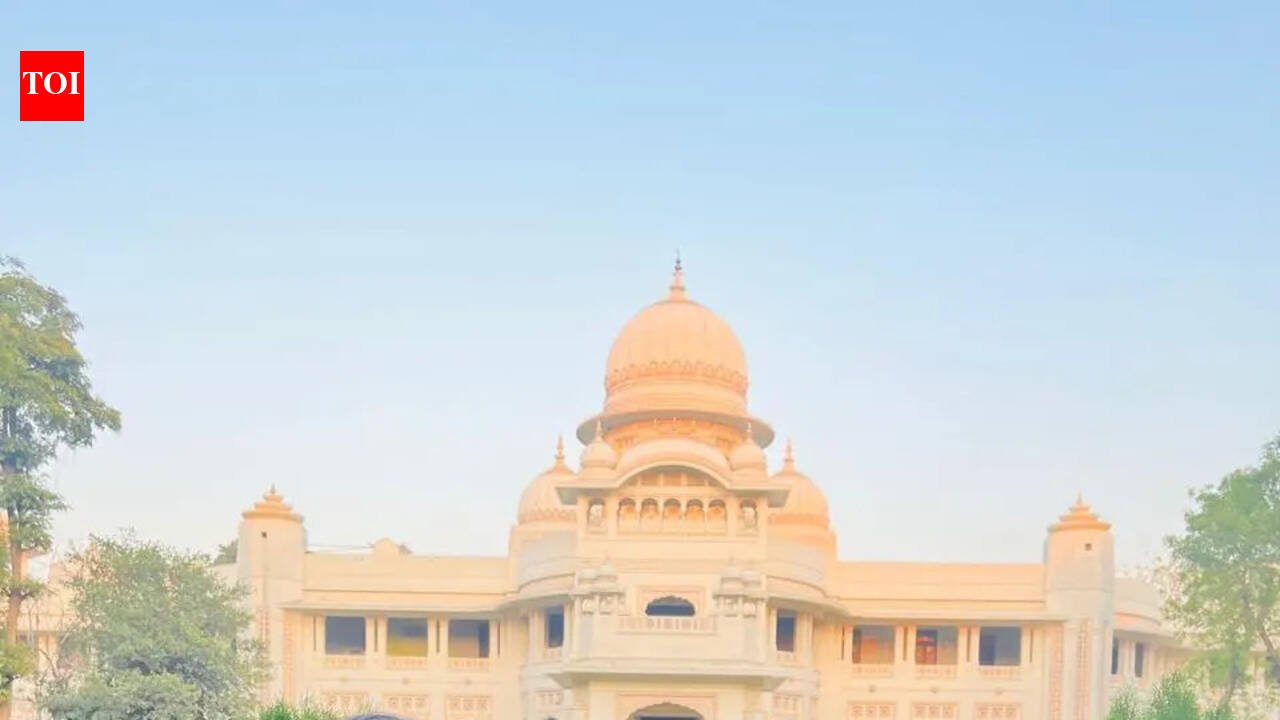
Vadodara: Gujarat’s tourism landscape is witnessing a quiet transformation on two fronts — heritage walks are bringing Rajpipla’s royal legacy alive for visitors, while homestay owners in Vadodara are being trained to deliver more professional hospitality experiences.Both initiatives are being driven by researchers from the department of family and community resource management at the Maharaja Sayajirao University (MSU).In Rajpipla, tourists are no longer just stopping at historic palaces for photographs. Instead, they are walking through curated heritage circuits designed to immerse them in the stories, culture and architectural legacy of the Gohil Rajput dynasty. The heritage walks cover Rajvant Palace, Pramod Villa Palace and Vadia Palace, combining storytelling with mapped routes and bilingual interpretive booklets in Gujarati and English.The walks are designed to promote experiential tourism, allowing visitors to understand the historical and cultural significance of the palaces rather than viewing them as static monuments. Researchers developed self-guided booklets featuring route maps, visual references and concise narratives to make the experience more engaging and accessible across age groups.The initiative emerged from a dissertation by researcher Meera S Patel under the guidance of Urvashi Mishra.Field visits, archival research and consultations with authorities were used to design the heritage circuits. During Jan, around 180 tourists participated in the heritage walks and evaluated their experiences. Visitors reported high satisfaction, particularly appreciating the atmosphere, clarity of information, visual presentation and ease of navigation.Researchers said the project shows how low-cost but well-designed interpretation tools can help lesser-known heritage destinations attract meaningful tourist engagement while supporting heritage preservation.Parallelly, another MSU-led initiative is reshaping the homestay sector in Vadodara. As the state witnesses a rise in tourist arrivals, homestay operators are emerging as an important part of the tourism ecosystem. However, researchers found that many hosts lacked formal exposure to hospitality practices despite being enthusiastic and educated.To bridge this gap, structured training programmes were launched for homestay owners, covering hospitality operations, guest interaction, grooming, hygiene, housekeeping, food and beverage services and reservation systems.The programme was developed by research scholar Stuti Dave under the guidance of Urvashi Mishra. The study examined whether structured training could improve awareness and professionalism among homestay operators.The research found that before training, awareness levels regarding hospitality standards ranged from low to moderate across several operational areas. After a 30-hour capacity-building programme, significant improvement was recorded in participants’ understanding of guest handling, hygiene practices, front office operations, menu planning and room management.Experts involved in both projects believe these initiatives can serve as replicable models for tourism development. They say structured interpretation at heritage sites and systematic hospitality training for local accommodation providers can significantly enhance visitor experience while creating sustainable livelihood opportunities.In Rajpipla, researchers flagged the need for better public amenities and infrastructure maintenance, while in the homestay sector, continuous training and regular upskilling were identified as essential for long-term competitiveness.With the state emerging as one of the country’s fastest-growing tourism destinations, these initiatives highlight how universities can move beyond classrooms to actively strengthen local tourism ecosystems.From warm hosts to trained professionals: How Vadodara’s homestays are evolvingVadodara: Vadodara’s homestay owners are gradually transitioning from informal hosts to professionally trained hospitality providers as structured training programmes reshape the way they interact with guests.Research conducted by Stuti Dave found that many homestay operators were educated and motivated but lacked awareness of professional hospitality practices.The study covered 35 homestay owners in Vadodara. More than half were aged between 23 and 35 years, while nearly three-fourths were graduates. Most managed homestays alongside another profession, with average experience in the sector standing at just over three years.Researchers identified gaps in areas such as payment handling systems, guest verification procedures, housekeeping standards and front office operations. A 30-hour training programme was subsequently conducted to improve awareness across multiple hospitality domains.Following the intervention, participants showed notable improvement in communication skills, hygiene practices, reservation systems, menu planning and guest management.The programme also introduced owners to the importance of involving visitors in local culinary experiences and showcasing regional culture more effectively.
