


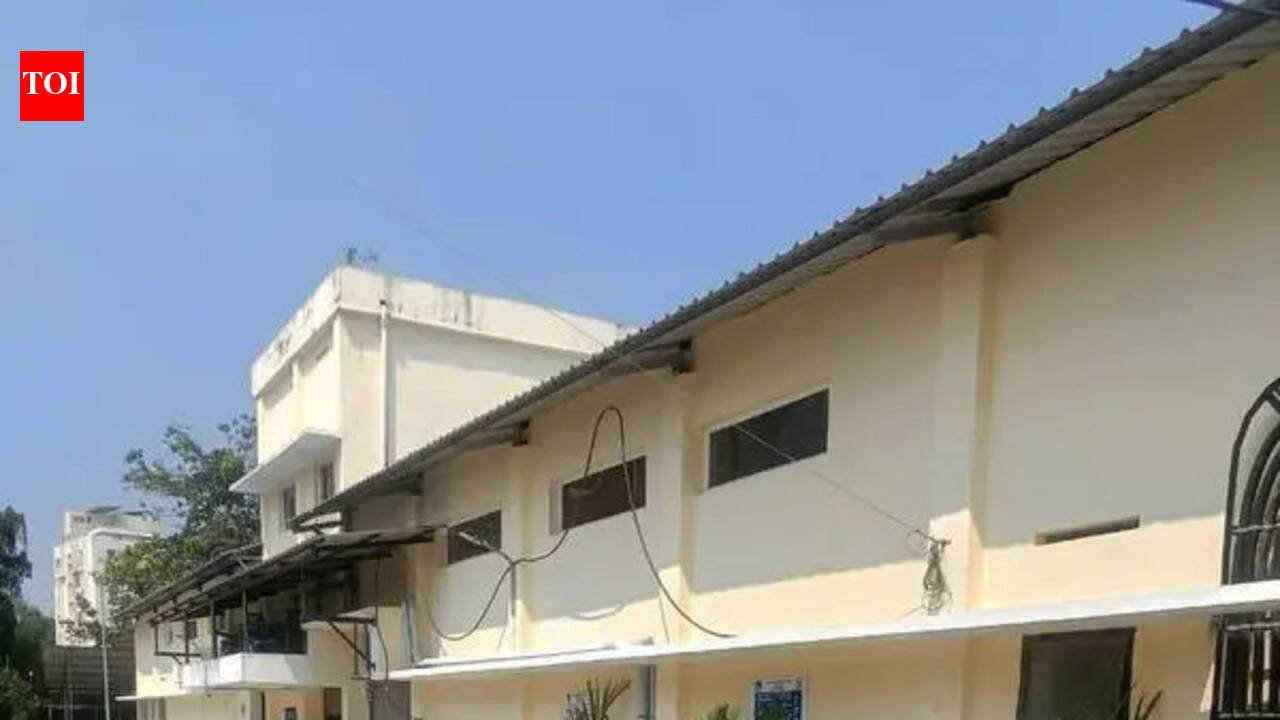
Thiruvananthapuram: After years of delays and procedural hurdles, Thiruvananthapuram’s long-awaited modern slaughterhouse at Kunnukuzhy is finally set to become operational on May 15, marking a significant step in the city corporation’s push for hygienic meat processing in the capital. Slaughtering operations are expected to commence next Friday, following final rounds of discussions between the corporation, around 40 meat vendors, and the facility operator. Trial operations will precede regular functioning. According to Dr Sreerag Jayan, the corporation’s veterinary surgeon overseeing the project, logistics for transporting animals to the abattoir are already in place. “The operations are tentatively scheduled for May 15. The logistics for transporting animals are ready, and the trial run will be conducted with the support of vendors and the operator,” he said. Two major bottlenecks had held up the facility’s commissioning: The absence of a power connection and pending final clearance from the pollution control board. Both were secured last month, allowing the corporation to move forward. Built at an estimated cost of Rs 15 crore, the abattoir is among the most advanced of its kind in Kerala. It was developed to replace the unregulated and unhygienic slaughtering practices that proliferated across the city after the old corporation slaughterhouse was shut down over a decade ago due to pollution concerns. The slaughterhouse is equipped with an effluent treatment plant, a biogas unit, chilling rooms, odour-control systems and a rendering plant for scientific waste management. Over 70% of operations are mechanised, ensuring both hygiene and environmental compliance. The facility can process up to 75 large animals and 50 small animals daily, and includes livestock holding areas, refrigeration units and scientific waste disposal systems designed to reduce environmental impact and improve public health standards. An exclusive meat sales outlet will also begin functioning at the Kunnukuzhy site. Additionally, vendors across the city will sell meat processed at the new abattoir through their existing shops.The corporation aims to use the facility to regulate meat processing across its limits and curb illegal slaughtering. All registered vendors will be gradually integrated into the new system, ensuring that meat supplied within the city meets hygienic and environmental standards. The project’s road to completion was far from smooth. Beyond the decade-long gap since the old slaughterhouse closed, the modernisation effort faced repeated setbacks, tender failures, a lack of bidders, funding constraints, and pending statutory approvals, before finally reaching the finish line.
