



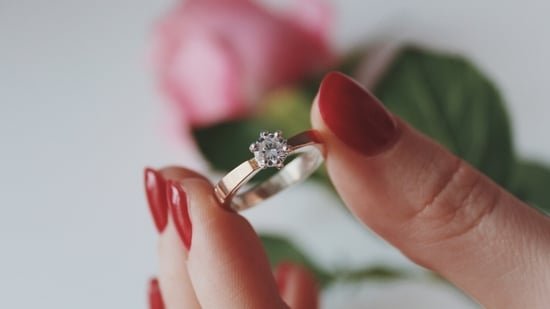
Buying a diamond for yourself, whether to celebrate a career achievement or to gift a loved one on an anniversary or birthday, is undeniably special. But once you begin browsing diamond jewellery online or walk into a store, it is not uncommon to feel overwhelmed by so many options, certification jargons and confusing pricing structure.
ALSO READ: Summer jewellery styling guide: 3 ways to look chic without feeling uncomfortable


After all, buying a diamond is definitely not a casual purchase. It carries significant emotional and financial value. But with right knowledge and few practical checks, first time buyers can be confident, avoid expensive mistakes and make a correct decision.
For all the doubts and first-time buyers insights, HT Lifestyle spoke to Rohit Hudke and Priyanka Padhye, co-founders of Rings & I, who helped debunk many commonly misunderstood jewellery terms and broke down the essentials every buyer should know before investing in a diamond jewellery.
“After ten years in this industry, the one thing I tell every first-time buyer is simple: demand transparency before you buy, not explanations after. Get the certificate verified online yourself,” Priyanka Padhye said, highlighting how buying diamond today has become a big financial decision.
Rohit Hudke agreed and further added, “Ask for making charges in writing. Know your budget, including GST. And always, always ask about the buyback policy. If a jeweller hesitates on any of these, they’re not the right fit.”
Here’s a detailed and extensive guide from the jewellery experts covering 8 different vital aspects, from understanding diamond certifications and distinguishing between natural and lab-grown diamonds to decoding pricing structures, resale value and common red flag buyers should watch out for:
1. Natural vs. lab-grown
- One cannot tell the difference between a natural and a lab-grown diamond with the naked eye.
- Both are chemically identical, pure carbon, real diamonds in every scientific sense. The only difference is the origin.
- Natural diamonds formed over billions of years beneath the Earth. Lab-grown ones are created in weeks in a controlled environment. Lab-grown diamonds typically cost 70-90% less than natural diamonds.
- A buyer who could previously afford a 0.5-carat natural stone can now own a 1.5-carat lab-grown diamond for the same budget.
- It is not either or, it is purpose driven. Always test the diamond.
2. How to distinguish between lab and natural diamonds
- To the most experienced eyes and even under a standard jeweller’s loupe, natural and lab-grown diamonds look identical.
- The most practical tip: always check the certificate and look for the girdle inscription. Most lab-grown diamonds are laser-inscribed with terms like “lab-grown,” while mined diamonds typically do not carry such origin disclosures.
- If a jeweller cannot show you a grading certificate or won’t let you verify the report number online, walk away. Lab diamond testers are also available in the market. Always check before you buy.


